TMJ Disorder: Signs, Causes, and Remedies

What is Baby Bottle Tooth Decay?
July 30, 2020
Why Adults Avoid the Dentist
August 13, 2020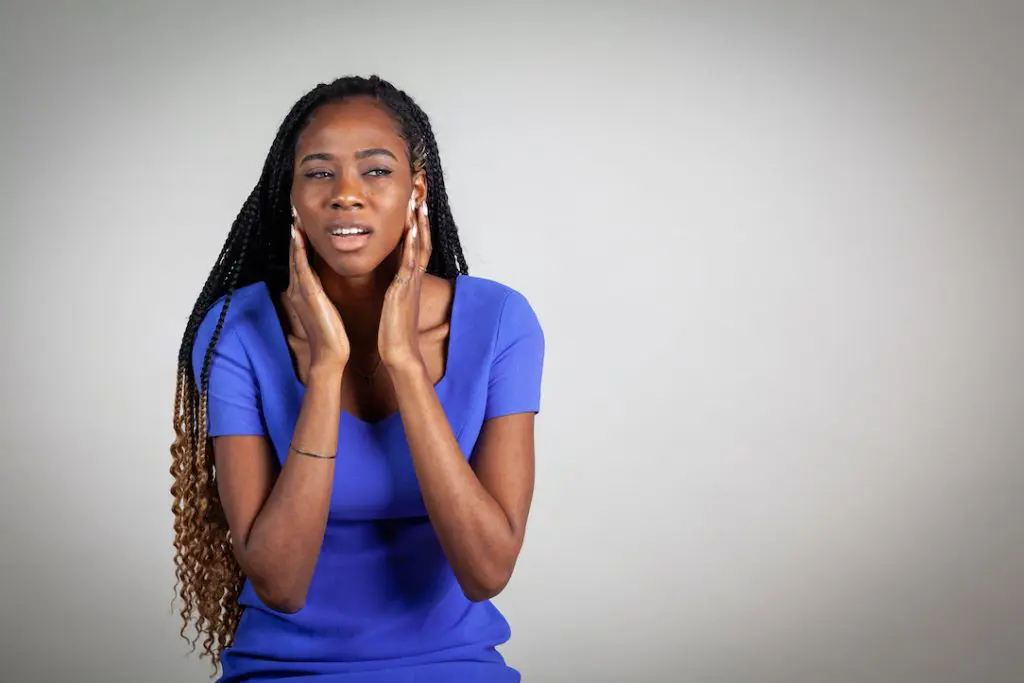
Your jaw is connected to the bottom of your skull through two joints: the temporomandibular joints (TMJ). Next to these joints are muscles that help you move your mouth to talk and chew. The joints can become misaligned and cause problems with your jaw and the muscles surrounding it. If this happens, it’s known as temporomandibular joint disorder.
Understanding the Joint
This joint is one of the most complex in your body. It’s essentially a hinge that allows your mouth to move in all directions. WedMD explains that, along with the bones and muscles, there’s also cartilage that acts like a shock absorber and protects your bones from wear and tear.
Causes of TMJ Disorders
For many people, the cause of TMJ pain is not always clear. The most common cause is when the cartilage in the joint is not in the correct place to help absorb the shock and pain. It can also be caused by an injury, improper jaw alignment, teeth grinding, or arthritis.
TMJ Disorder Symptoms
As we mentioned above, this joint is like a hinge in your mouth that connects your jaw to your skull. If you have a TMJ disorder, it can cause pain in that joint and in the muscles surrounding it making it painful to chew, talk, or even sleep.
TMJ pain often has the following symptoms:
- Pain or tenderness in the jaw
- Pain in one or both of the joints
- Aching pain in and around the ear
- Difficulty chewing
- Aching facial pain
- Locking of the joint, making it hard to open and close your mouth
When you come in for a TMJ disorder diagnosis, your dentist will look at and feel the jaw to observe how well it’s moving. In addition, the dentist will ask you to point out the areas you feel the most sensitivity to try and identify the exact source of the pain. If there proves to be an issue with the joints, your dentist could order an X-ray, CT scan, or MRI to be able to look at the area more in depth.
TMJ Treatment Options
For some people, the TMJ pain can go away with no need for treatment. However, if you have consistent pain, your dentist might recommend a number of different treatment options that can help you find relief. Common treatments for TMJ can include:
- Pain relievers – some people have TMJ pain that just flares up on occasion, and many people can find help with over-the-counter pain relievers. If needed, your dentist could order you a prescription strength ibuprofen, or something similar, to help with the pain for a limited amount of time. Sometimes, a muscle relaxant can also be prescribed to help calm down the muscle spasms in the jaw.
- Physical therapy – there are exercises patients can do to help stretch the jaw and make it stronger. Ice and heat therapy can be used with physical therapy for optimal results.
- Surgery – for severe cases, your dentist might suggest a surgical procedure to help correct the problem.
Another popular treatment option for TMJ pain is a night guard.
Night guard for TMJ Pain
Teeth grinding refers to the practice of either clenching your teeth tightly or continuously rubbing them against each other. While some teeth grinding does happen during the day, the most challenging to manage is the clenching and grinding that can happen while you sleep. When this happens, it can contribute a great deal to your TMJ pain. If your dentist thinks a night guard is the best treatment for your TMJ disorder, then you will need to be fitted in a simple process.
First, an impression will be taken of your teeth and then send it off to a lab. From there, the lab will create a custom-fit acrylic night guard. When it’s ready, you’ll head back to the dentist office to make sure it fits. If it does, you take it home and begin using it! If adjustments need to be made, your dentist can typically adjust it right there in the office.
Night guards help prevent the surfaces of your teeth from grinding together, which can result in jaw strain and other dental problems. They’re used to prevent further oral injuries, jaw tenderness, breaking teeth, and further TMJ disorder problems.
Get TMJ Disorder Help with Dr. Kevin Varley and Stonebrook Family Dental
Dr. Varley believes that a night guard is one of the things essential to protecting your oral health. If you want to learn more about how to help your TMJ pain, whether it be through a night guard or another treatment, call Stonebrook Family Dental today at (303)-872-7907.