Does Oral Health Affect Your Bones? The Link Between Periodontitis and Osteoporosis

Don’t Ignore the Dentist: The Dangers of Putting Your Oral Health on Hold
October 20, 2021
Does Drinking Water Protect Your Teeth?
November 11, 2021
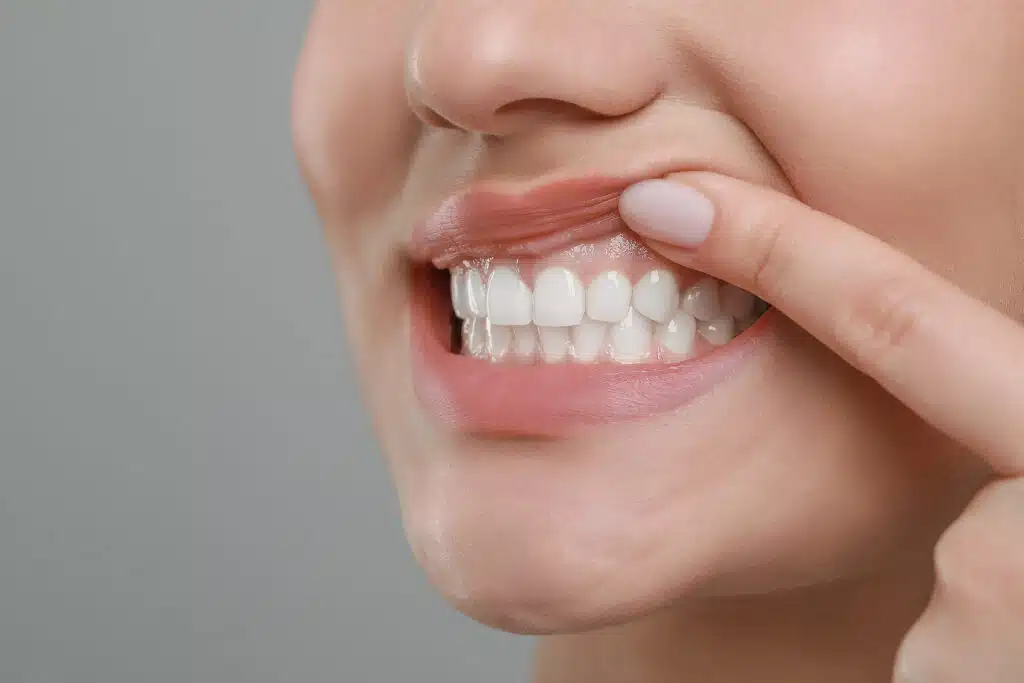
Did you know that osteoporosis can be brought on by periodontitis? This article will discuss how gum disease can increase your risk of osteoporosis, and what Stonebrook Family Dental does to help prevent this condition. Periodontitis is an advanced form of gum disease, but it’s more likely to occur if you are also suffering from osteoporosis. If left untreated, bone loss in the jaw could become irreversible. Luckily, there are some things that everyone who suffers from osteoporosis or periodontitis should do to reduce their risk of developing further complications.
Gum Disease Can Increase Your Risk of Bone Loss
Periodontitis, also known as gum disease, is a common condition that affects the gums, bones of your jaw and other structures in your mouth. Gum disease occurs when a buildup of plaque and tartar from poor oral hygiene begins to affect your teeth and gums. If left untreated, it can lead to bone loss in the supporting structures of the mouth.
What is Osteoporosis?
Osteoporosis is a condition where your body’s osteoblasts, or cells that create new bone tissue, cannot keep up with the osteoclasts, or cells that break down bone tissue. If osteoporosis is left undiagnosed and untreated for too long it can lead to osteoporotic bone fractures.
Osteoclasts are found in the jaw, and if osteoporosis is present, it can lead to osteoporotic bone fractures around the mouth.
Periodontitis and osteoporosis share a common risk factor: bone loss. If you suffer from periodontitis, your conditions are connected. If you treat periodontitis, osteoporosis is likely to decrease as well.
How Periodontitis Increases Bone Loss Risk
Periodontitis is a severe form of gum disease that occurs when bacteria in the mouth cause inflammation and bone loss around the teeth. As osteoclasts break down osteoblasts, osteoclastic bone resorption occurs. The more severe the periodontitis is, the higher your risk of osteoporosis. If you suffer from osteoporosis, treating periodontitis can be a key factor in preventing osteoporotic jaw fractures.
Signs of Osteoporosis
While there are usually no symptoms in the early stages of bone loss, Mayo Clinic explains that once your bones have been weakened by osteoporosis, you might have signs and symptoms that include:
- Back pain, caused by a fractured or collapsed vertebra
- Loss of height over time
- A stooped posture
- A bone that breaks much more easily than expected
depressed. If osteoporosis is left untreated, you may begin to find it difficult to eat because of the pain in your jaw and face.
Signs of Periodontitis
The symptoms you’ll feel due to gum disease depend on the stage of the disease you’re currently in. Gum disease can range from a mild form (gingivitis) and the most severe form (periodontitis). The symptoms vary, but can Healthline explains they can include include:
- Bad breath
- Changes in the position of your teeth or loose teeth
- Receding gums
- Red, tender, or swollen gums
- Buildup of plaque or tartar on your teeth
- Pain when chewing
- Tooth loss
- Foul taste in your mouth
- Inflammatory response throughout your body
Healthline also explains it’s important to note that you may feel no symptoms during the early stages of gum disease. This is why attending your regular 6 month checkups are important.
Treating Gum Disease with Stonebrook Family Dental
Dr. Kevin Varley and the rest of our team will provide treatment options to keep your gums healthy, including:
- Periodontal cleanings and deep cleaning that includes scaling and root planing
- Tartar control treatments to prevent bacteria from worsening your gum disease or bone loss
- Antibiotic therapy to fight off the dangerous bacteria in your mouth
- Treatment of osteoporosis will also be recommended. The best way to avoid osteoporosis is early detection and treatment of periodontitis. Our team will work with you, so together we can create a plan that will keep your jaw healthy.
At Home Tips
To work on keeping your bones and mouth healthy at home, we want to recommend these tips:
- Brush your teeth twice per day (two minutes each time).
- Floss once per day.
- Use a fluoride toothpaste to help fight cavities and plaque buildup.
- Stay hydrated and drink enough water each day.
- Eat a well-rounded, whole foods diet.
- Add more calcium and vitamin D to your diet.
- Exercise 4-5 times per week for at least 30 minutes.
Make an Appointment with Stonebrook Family Dental
If you’re concerned that you are showing signs of gum disease that could be leading to bone loss, call Stonebrook Family Dental today to make an appointment. We will help you attack your gum disease head on and maintain a healthy smile that will help you keep your gums healthy and let you have healthy bones, too!