How to Prevent and Treat Gum Recession

5 Foods for Stronger Teeth and a Healthier Smile
August 11, 2022
Does Drinking through a Straw Protect Your Teeth?
August 25, 2022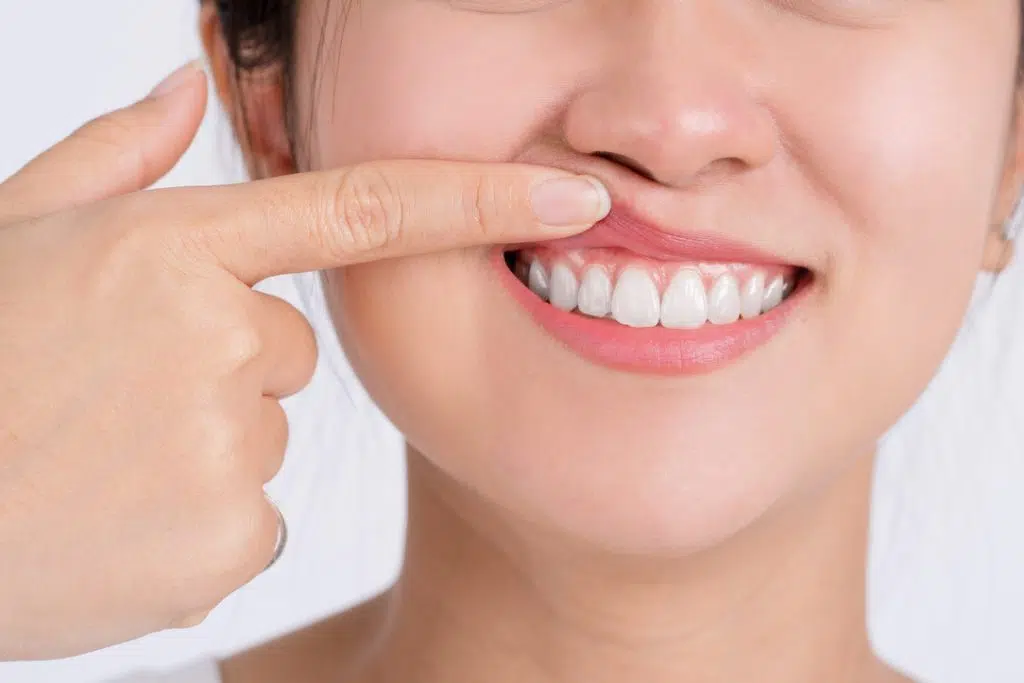
Gum recession is a common dental problem that can occur in anyone, regardless of age. It occurs when the gum tissue surrounding the teeth pulls away, exposing the roots of the teeth. This can lead to tooth sensitivity, gum inflammation, and even bone loss. In this blog post, we will discuss how to prevent gum recession and how to treat it if it does occur.
The Importance of Gum Health
Gum health is important for several reasons. First, healthy gums help to keep the teeth in place. If the gums are not healthy, they can recede and expose the roots of the teeth. This can lead to tooth sensitivity and even loss of the teeth. Second, healthy gums help to prevent bacteria from entering the bloodstream. Bacteria in the bloodstream can lead to serious infections, like cardiovascular disease and stroke. Finally, healthy gums help to give the face a more youthful appearance because they help to support the cheeks and lips.
The Start of Gum Disease
Like our intestines, our mouths house complex ecosystems of bacteria, known as the oral microbiome. And as in the gut, different types of bacteria compete for space. When all the species are in balance, the gums are protected from disease-causing bacteria. Disturbing this balance provides an opening for pathogens to invade, causing periodontal disease, which further disrupts the bacterial balance. Harvard Health explains the effects of periodontal disease range from mild redness and swelling of the gums (gingivitis) to complete destruction of the tooth’s bony support structure (advanced periodontitis), which is responsible for tooth loss.
What is Gum Recession?
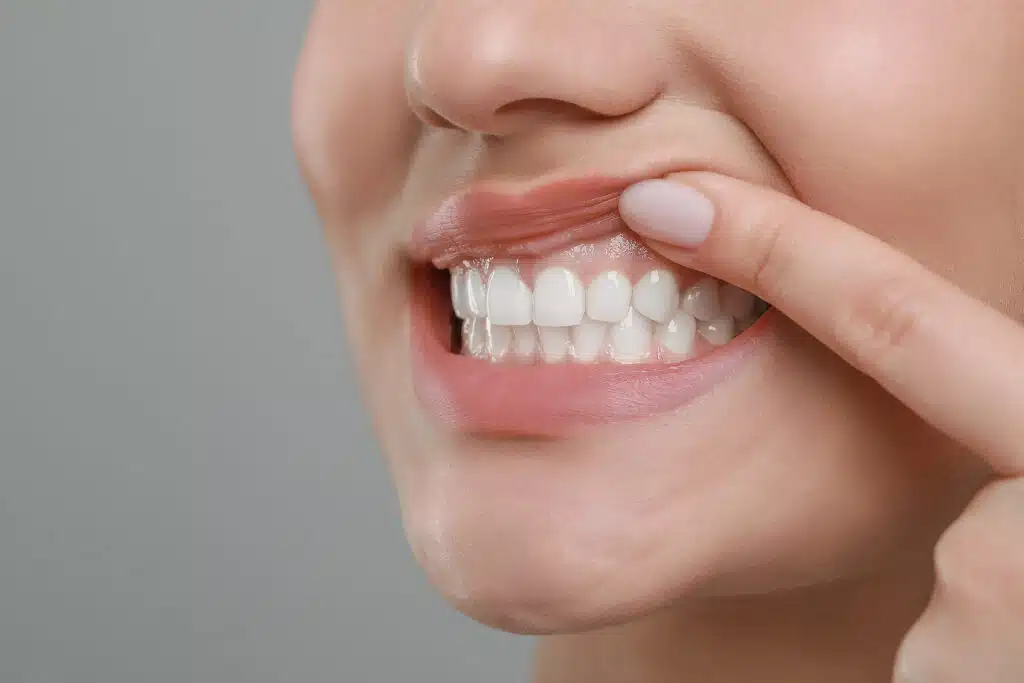
Gum recession is a common dental problem that can occur in anyone, regardless of age. It occurs when the gum tissue surrounding the teeth pulls away, exposing the roots of the teeth. This can lead to tooth sensitivity, gum inflammation, and even bone loss. This condition is often caused by poor oral hygiene, gum disease, or trauma to the gums.
Symptoms
The most apparent sign of gum recession is tooth root exposure. Cleveland Clinic lists other warning signs to include:
- Pain or discomfort near your gum line.
- Sensitivity to heat, cold and sweets.
- Sensitivity when brushing and flossing your teeth.
- Sensitivity during dental cleanings.
Left untreated, gum recession can lead to other serious oral health problems, such as bone loss, tooth mobility or feeling “wiggly” or even tooth loss. If you notice any of the symptoms listed above, schedule an appointment with your dentist right away.
Causes of Gum Recession
Your gums may recede for a number of reasons. Gum recession causes include:
- Brushing too hard or too aggressively.
- Dental plaque or tartar buildup.
- Periodontal disease.
- Trauma or injury to your gum tissue.
- Abnormal tooth positioning (misalignment).
- Smoking or chewing tobacco use.
- Lip and tongue piercings.
Oftentimes, poor oral hygiene is a contributing factor to receding gums, but this isn’t always the case. Many people simply have a genetic predisposition to thin gum tissue.
Prevention
There are several things that you can do to prevent gum recession. First, practice good oral hygiene. This means brushing your teeth twice a day and flossing daily. Second, see your dentist regularly for professional cleanings and exams. This will help to remove any plaque or tartar that has built up on your teeth. Finally, avoid smoking and using tobacco products. These can damage the gum tissue and make it more likely to recede.
Treatment for Gum Recession
If you have gum recession, there are several treatment options available. The first step is to visit your dentist to find out the cause of the recession. If it is due to gum disease, you will need to receive treatment for the disease. This may include deep cleanings, antibiotics, or surgery. If your gum recession is due to poor oral hygiene, your dentist will work with you to create a better oral care routine. Finally, if your gum recession is due to trauma to the gums, your dentist may recommend surgery to correct the problem. Preventing gum recession is the best way to keep your teeth and gums healthy. However, if you do experience gum recession, there are treatment options available. Be sure to see your dentist for an evaluation and to discuss your treatment options.
Make an Appointment with Stonebrook Family Dental
Gum recession is a serious dental problem that should not be ignored. If you are experiencing any of the symptoms listed above, make an appointment with Stonebrook Family Dental today. We will work with you to determine the cause of your condition and create a treatment plan to restore your oral health. Contact us today!