The Risks of Bruxism: How Teeth Grinding Can Affect Your Oral Health

How to Recover Quickly from a Root Canal Procedure
September 15, 2022
How to Save a Damaged Tooth: Dentist-Approved Tips
September 30, 2022
Do you wake up in the morning with a headache? Do you find that your teeth are sensitive to hot and cold foods? If so, you may be suffering from bruxism. Bruxism is a condition that causes people to grind their teeth together involuntarily. This can lead to a number of oral health problems, including headaches, tooth sensitivity, and even tooth loss. In this blog post, we will discuss the risks of bruxism and how it can affect your oral health. We will also provide some tips on how to prevent bruxism from occurring.
What is Bruxism?
Bruxism is a condition that causes people to grind or clench their teeth together involuntarily. This can happen during the day or at night. People with bruxism may not even be aware that they are grinding their teeth.
Mayo Clinic explains that if you have this condition, you may unconsciously clench your teeth when you’re awake (awake bruxism) or clench or grind them during sleep (sleep bruxism).
Sleep bruxism is considered a sleep-related movement disorder. People who clench or grind their teeth (brux) during sleep are more likely to have other sleep disorders, such as snoring and pauses in breathing (sleep apnea).
Mild bruxism may not require treatment. However, in some people, it can be frequent and severe enough to lead to jaw disorders, headaches, damaged teeth and other problems. Because you may have sleep bruxism and be unaware of it until complications develop, it’s important to know the signs and symptoms of bruxism and to seek regular dental care.
What Causes Bruxism?
There is no one single cause of bruxism. It is believed to be caused by a combination of physical, psychological, and genetic factors. For example, people who are under a lot of stress or have an anxiety disorder may be more likely to grind their teeth. Bruxism can also be caused by misaligned teeth or an abnormal bite.
Risks
Bruxism can lead to a number of oral health problems, including:
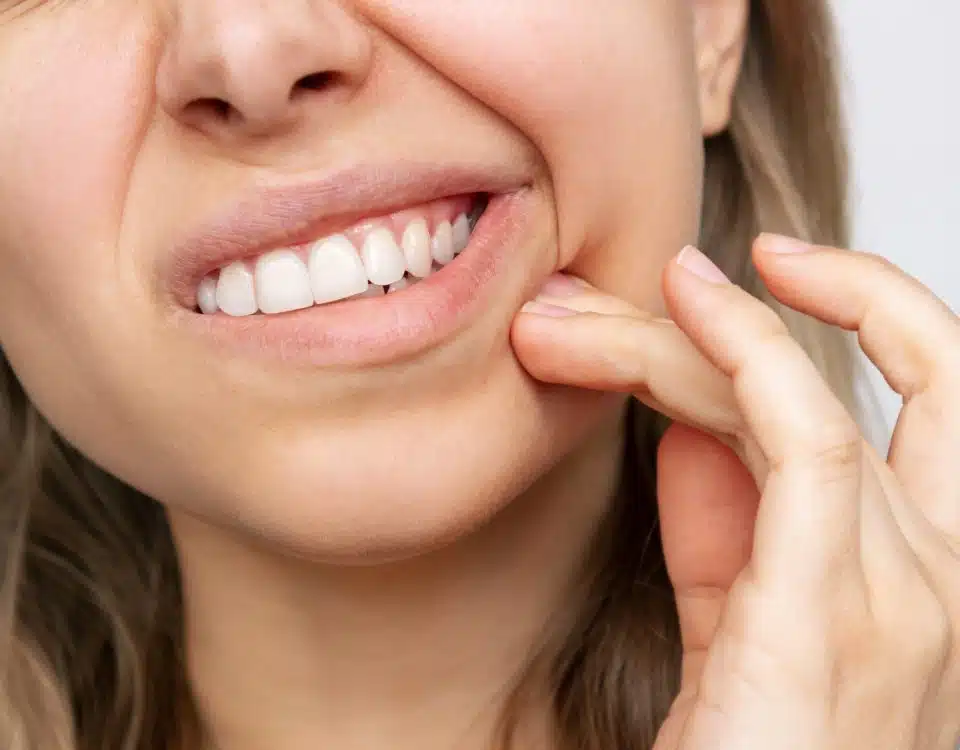
- Headaches: This condition can cause headaches because of the tension that is placed on the jaw muscles.
- Tooth sensitivity: Teeth grinding can wear down the enamel on your teeth, making them more sensitive to hot and cold temperatures.
- Tooth loss: Over time, grinding teeth can cause the teeth to become loose and eventually fall out.
- Gum disease: Grinding your teeth can damage the gum tissue and lead to gum disease.
- Jaw problems: Teeth grinding can cause the muscles in the jaw to become sore and tender. It can also lead to TMD (temporomandibular joint disorder), a condition that affects the joints that connect the lower jaw to the skull.
Prevention
There are a few things you can do to prevent bruxism and/or it’s effects, including:
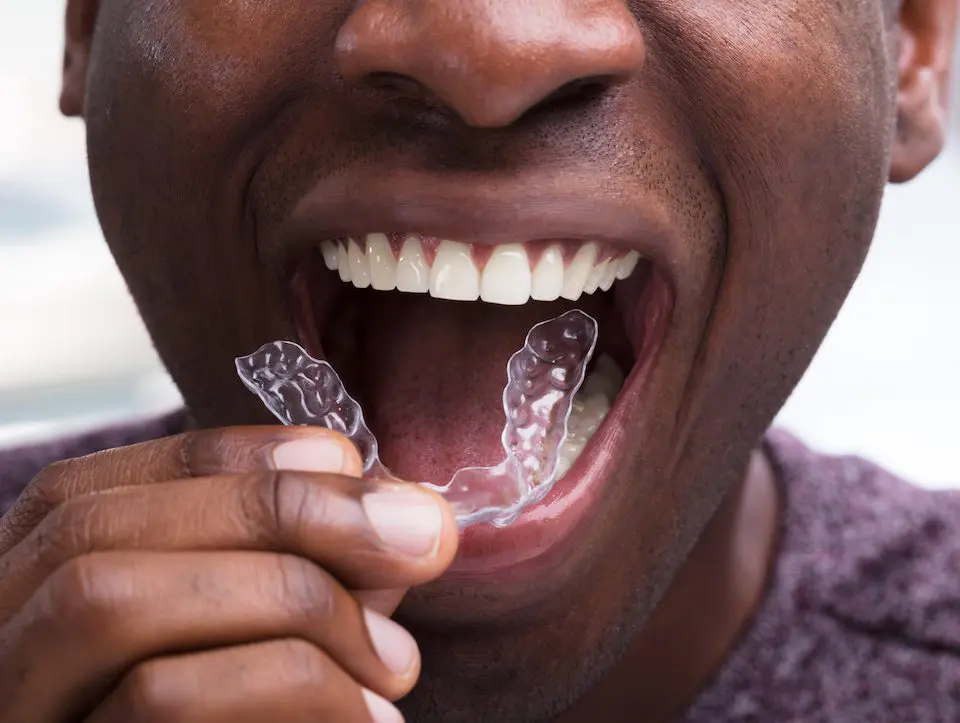
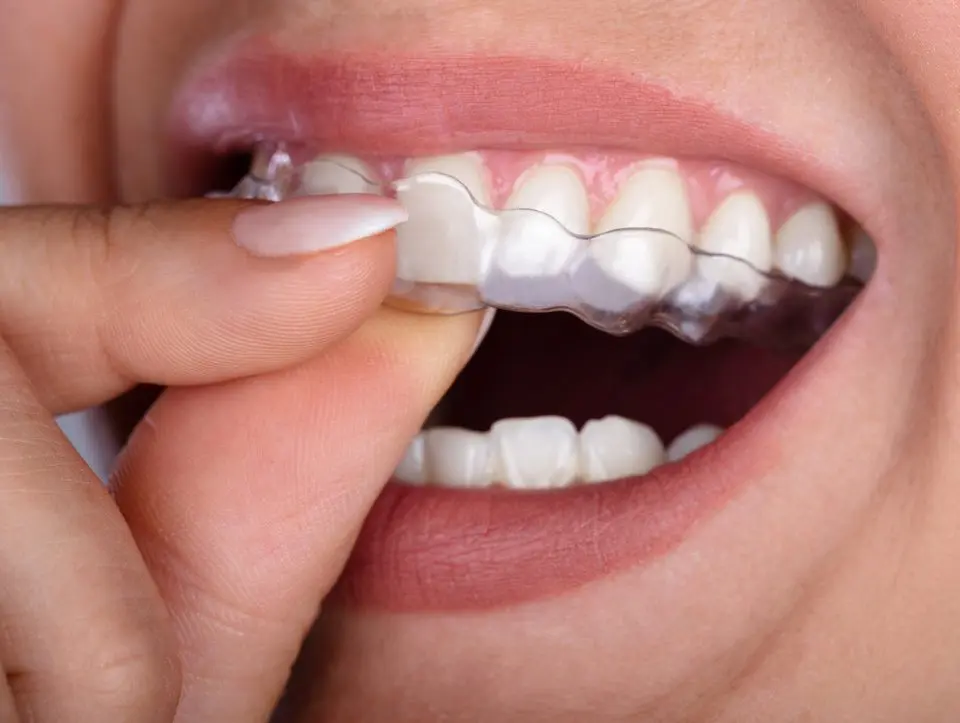
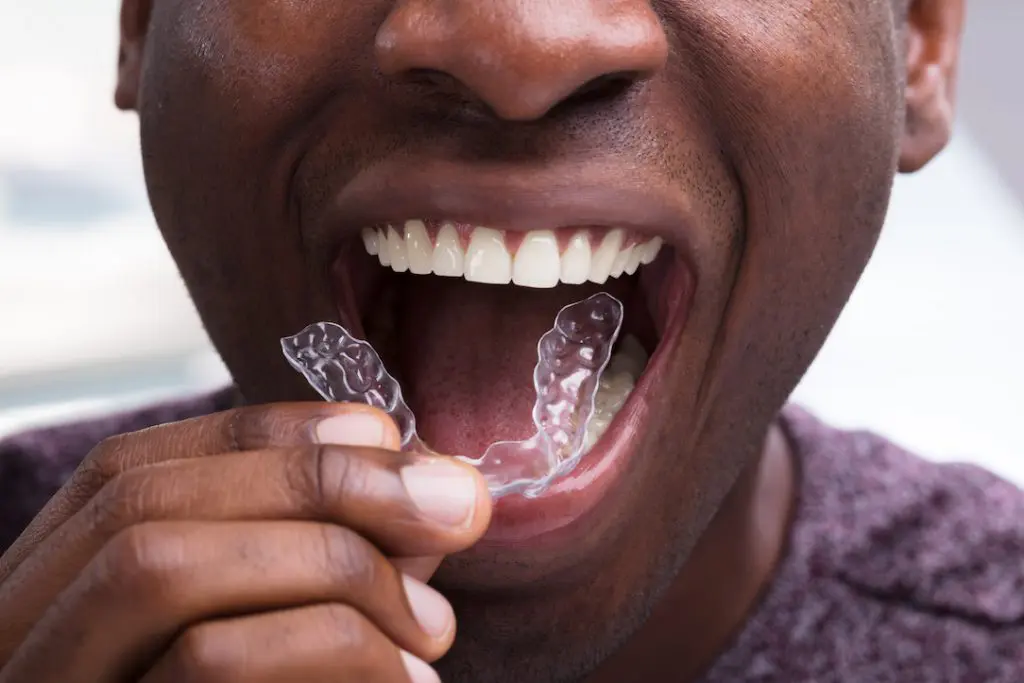
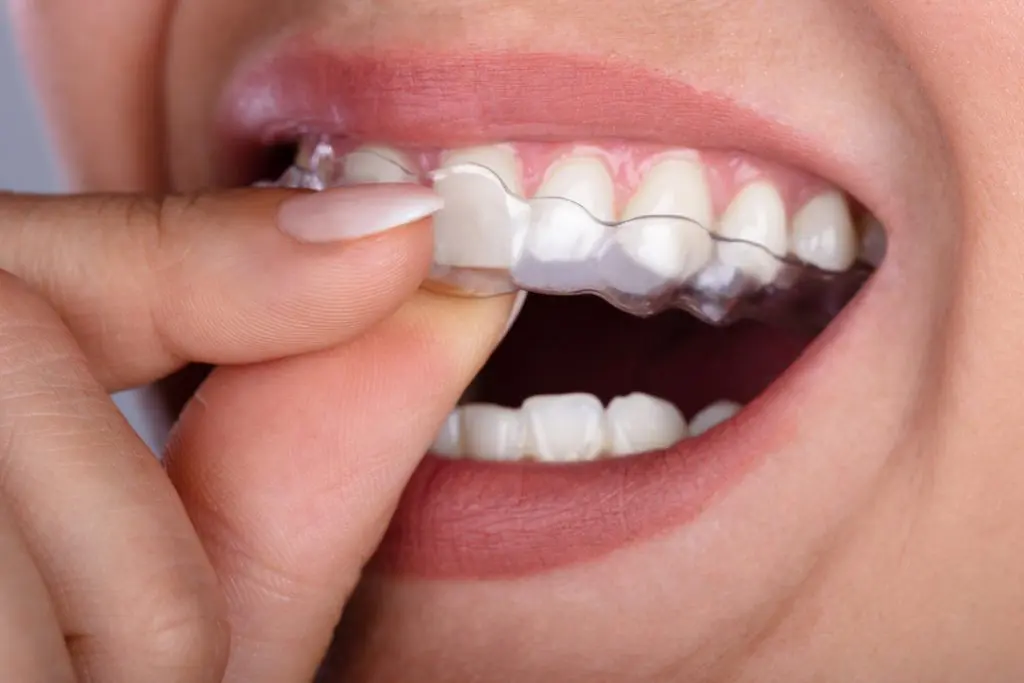
- Wearing a mouth guard: Wearing a mouthguard at night can protect your teeth from grinding. While it won’t stop you from grinding your teeth, a mouth guard can help to reduce the damage that is caused by bruxism.
- Avoiding caffeine and alcohol: Caffeine and alcohol can act as triggers for teeth grinding. If you are prone to teeth grinding or clenching, avoid these beverages.
- Stress management: Stress is a common trigger for teeth grinding. Learning how to manage stress can help to prevent teeth grinding and clenching.
- Avoiding hard foods: Eating soft foods and avoiding hard foods can help to prevent teeth grinding. Hard foods often require more chewing, which can lead to teeth grinding.
- Getting regular dental checkups: Seeing your dentist regularly can help to identify any problems that may be caused by teeth grinding and clenching.
If you think you may have bruxism, it’s important to see your dentist so they can diagnose the condition and develop a treatment plan. Left untreated, bruxism can lead to serious oral health problems.
Treatment
The treatment for bruxism depends on the severity of the condition. In mild cases, no treatment may be necessary. However, if it is causing damage to the teeth or jaw, treatment may be needed. Treatment can include:
- Mouth guards: Wearing a mouthguard at night can help to protect the teeth from grinding.
- Stress management: Learning how to manage stress can help to reduce teeth grinding.
- Orthodontic care: In some cases, orthodontic treatment can help to improve the alignment of the teeth and jaw, which can reduce bruxism.
- Botox injections: Injections of botulinum toxin (Botox) into the jaw muscles may help to relax the muscles and reduce teeth grinding.
- Surgery: In severe cases, surgery may be needed to correct jaw problems.
Make an Appointment with Stonebrook Family Dental
If you think you may be grinding your teeth, it’s important to see a dentist so they can diagnose the condition and develop a treatment plan. To make an appointment with Stonebrook Family Dental, call us at (303) 872-7907 today!