Tips to Ease TMJ Pain and Protect Your Jaw: TMJ Awareness Month

Dentist-Approved Tips for Fighting Bad Breath
November 4, 2022
How to Prevent Tooth Decay: A Step-by-Step Guide
November 17, 2022
November is TMJ Awareness Month. Millions of people suffer from TMJ pain, and many more are unaware that they even have it. TMJ is a condition that affects the jaw joint, and can cause a variety of problems such as headaches, neck pain, and toothaches. In this blog post, we will discuss some tips to ease TMJ pain and protect your jaw.
TMJ Awareness Month: What is it?
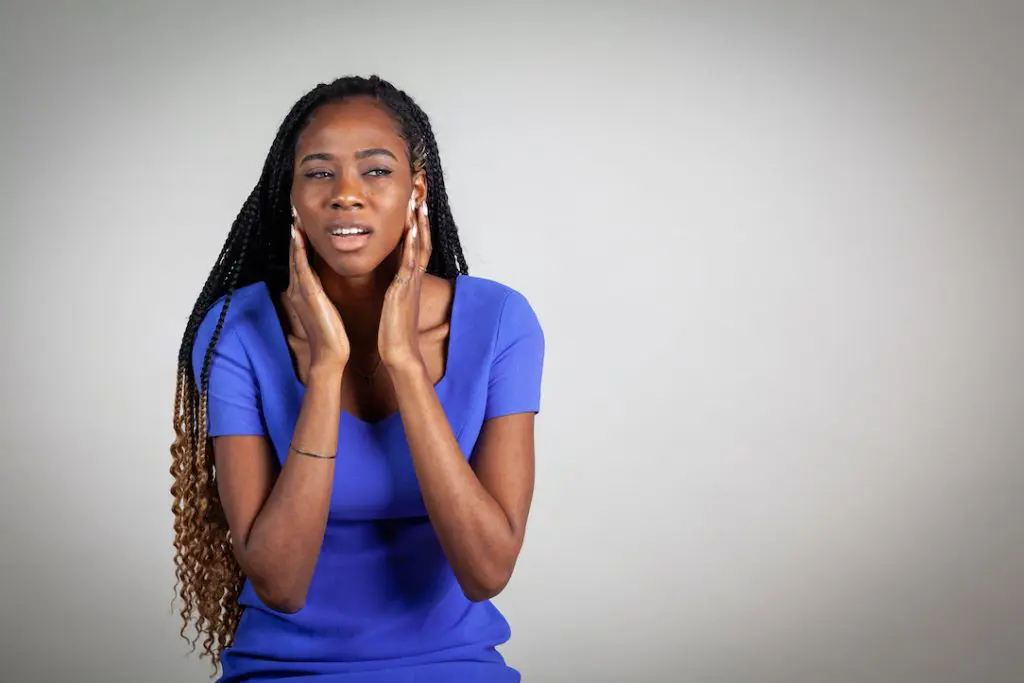
TMJ, or Temporomandibular Joint Disorder, is a condition that affects the jaw joint. This joint connects the lower jaw to the skull, and is responsible for opening and closing the mouth. TMJ can cause a variety of problems such as headaches, neck pain, toothaches, and clicking or popping noises when moving the jaw.
TMJ Awareness Month: Know the Causes
There are many possible causes of TMJ, and the exact cause is often unknown. Some possible causes include:
- Bruxism (teeth grinding/clenching).
- Dislocation of the disc between the ball and socket joint.
- Stress or clenching the teeth.
- Acute trauma.
- An improper bite.
- Arthritis or other inflammatory conditions.
- Injury to the jaw or head.
TMJ Awareness Month: What are the Symptoms?
There are many possible symptoms of TMJ, and not everyone will experience all of them. Common symptoms include:
- Headaches.
- Neck pain.
- Shoulder pain.
- Toothaches.
- Clicking or popping noises when moving the jaw.
- Jaw pain or tenderness.
- Difficulty chewing or swallowing.
- Dizziness.
- Fatigue.
Treatment Options
There are many possible treatments for TMJ, and the best course of treatment will vary depending on the individual. Some common treatments include:
- Resting the jaw: This can be done by avoiding chewing gum, clenching the teeth, or eating hard foods.
- Applying ice or heat: Ice can help to reduce swelling, while heat can help to ease pain.
- Exercises: There are a variety of exercises that can help to stretch and strengthen the muscles around the jaw.
- Massage: Massaging the jaw muscles can help to ease pain and tension.
- Splint or mouthguard: A splint or mouth guard can help to prevent teeth grinding and clenching.
- Medications: Over-the-counter pain medications such as ibuprofen or acetaminophen can help to ease pain.
What is a Night Guard?
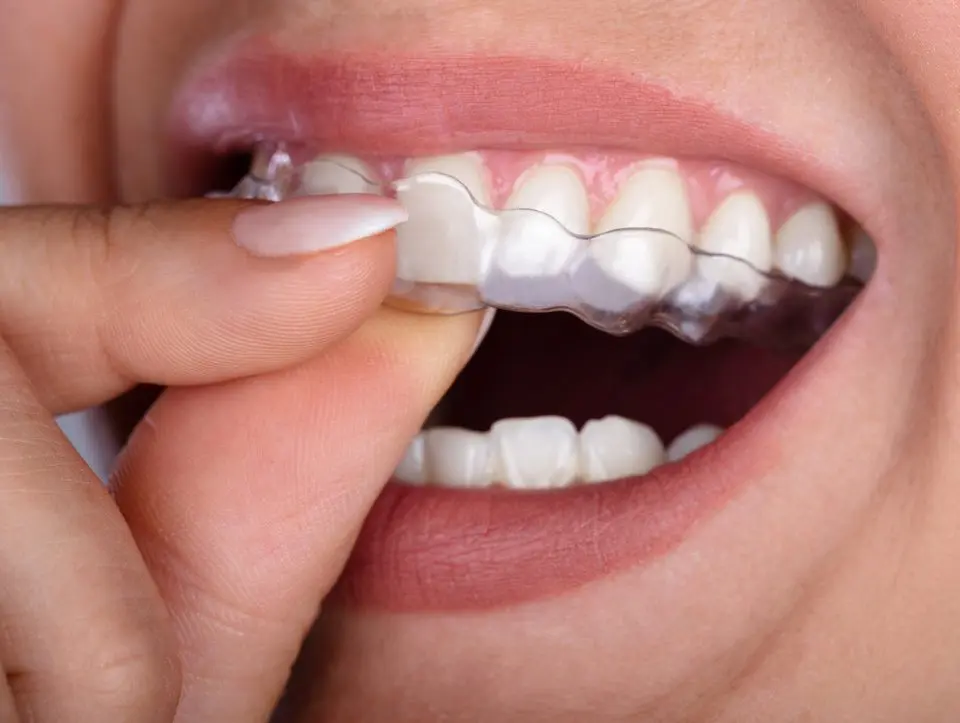
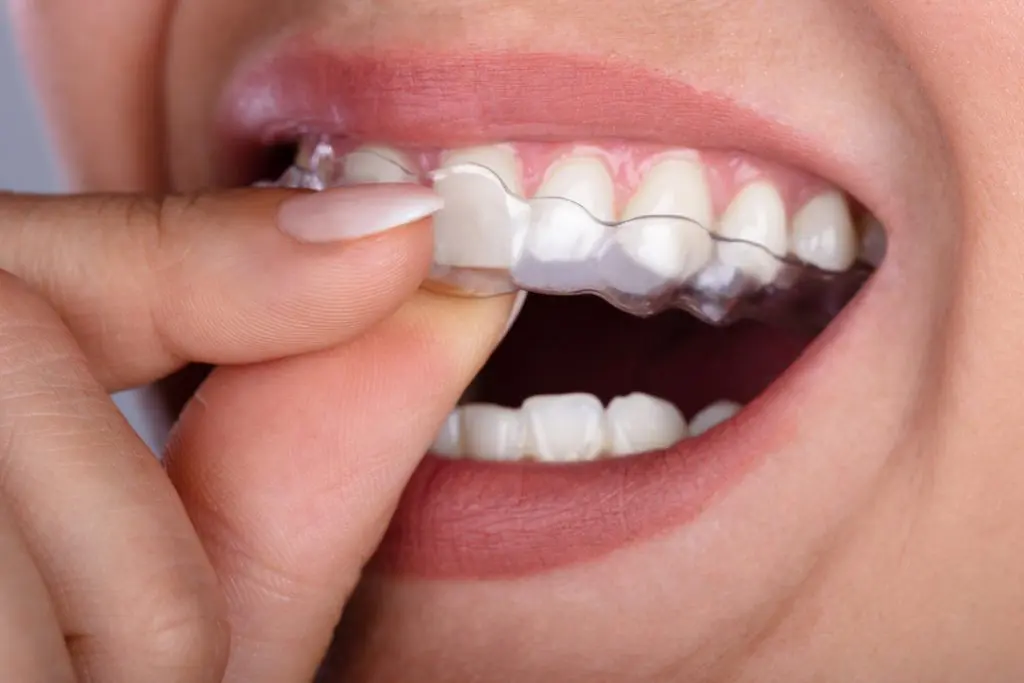
One of the most common treatments for teeth grinding is a custom-made night guard. Night guards are retainer-like pieces of plastic that cover either the top or bottom set of teeth. The appliance cushions your teeth from the force of clenching and stops the molars from grinding together. This not only protects your teeth, but allows you to sleep more soundly. While pharmacies carry some over-the-counter forms of night guards, custom-made night guards our office can supply provide you with a higher quality product and superior fit. Custom night guards are made in a special laboratory from an impression of your mouth. The increased comfort, durability and effectiveness of custom night guards drive their popularity.
Is a Night Guard Enough to Treat TMJ?
A night guard is a type of mouthguard that is worn at night to protect the teeth from grinding and clenching. Night guards prevent the surfaces of your teeth from grinding together, which can result in tooth chipping/cracking and jaw strain. Teeth grinding often stems from stress and anxiety but can also be caused by misaligned teeth, mouth irritations and allergies. Teeth grinding is not a harmless act and needs to be addressed with your dentist. Regular clenching and grinding of your teeth, applies levels of force that, according to Dentistry Today, can equate to more than 500 pounds per square inch (psi). (For comparison, consider that when you chew a raw carrot you only exert a force of about 28 psi.)
Dr. Varley can help determine the cause for the teeth grinding and offer treatment. Night guards are prescribed to prevent oral injuries, headaches, jaw tenderness, breaking teeth, or TMJ disorders. Ignoring teeth grinding symptoms will only result in more pain and problems down the road.
How to Get a Night Guard
Receiving your new mouth guard is a simple process. During an office visit, Dr. Varley will take an impression of your teeth, then send it to a dental laboratory. The lab will create a custom-fitted acrylic night guard based on your impression. Once your custom night guard is ready, you will be called back to the office for a fitting appointment. Any necessary adjustments will be made and then you can take it home. While you can find over-the-counter night guards at your local drug store, it is not recommended that you use one of these. Over-the-counter night guards are not custom-fitted to your mouth and will not provide the same level of protection as a night guard from Dr. Varley.
Fight TMJ with Stonebrook Family Dental
The team at Stonebrook Family Dental is here to help you find relief from your TMJ symptoms. We will work with you to develop a personalized treatment plan that meets your needs. For more information or to schedule an appointment, contact our Aurora clinic today!