How to Handle a Dental Emergency This Holiday Season

The Holiday Foods That Could Affect Your Smile
December 16, 2022
Why You Should Consider Restorative Dentistry in 2023
December 30, 2022
The Christmas season can be busy and stressful, but dental emergencies can add an extra layer of worry. Whether it’s a toothache or a dental injury, dental emergencies don’t wait for the holidays to be over. Thankfully, there are steps that you can take to handle dental emergencies this holiday season. If you or someone you know experiences a dental emergency over Christmas, don’t worry – we have tips for how to handle it! Keep reading to learn more.
What is Considered a Dental Emergency?
A dental emergency is a sudden, painful condition of the teeth or mouth that requires immediate attention from a dentist. Common dental emergencies include severe toothache, broken or knocked-out teeth, abscesses, fractures and injuries to the soft tissues of the mouth (such as lacerations).
Types of Dental Emergencies
Below is a list of common dental emergencies and what you should do, including when to contact your dentist.
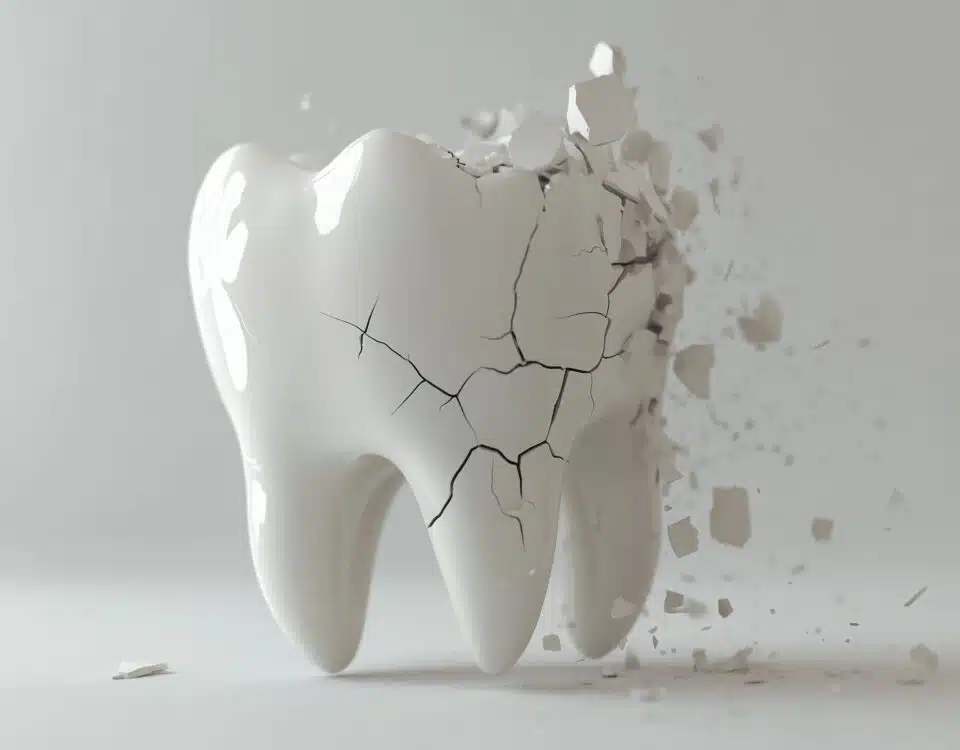
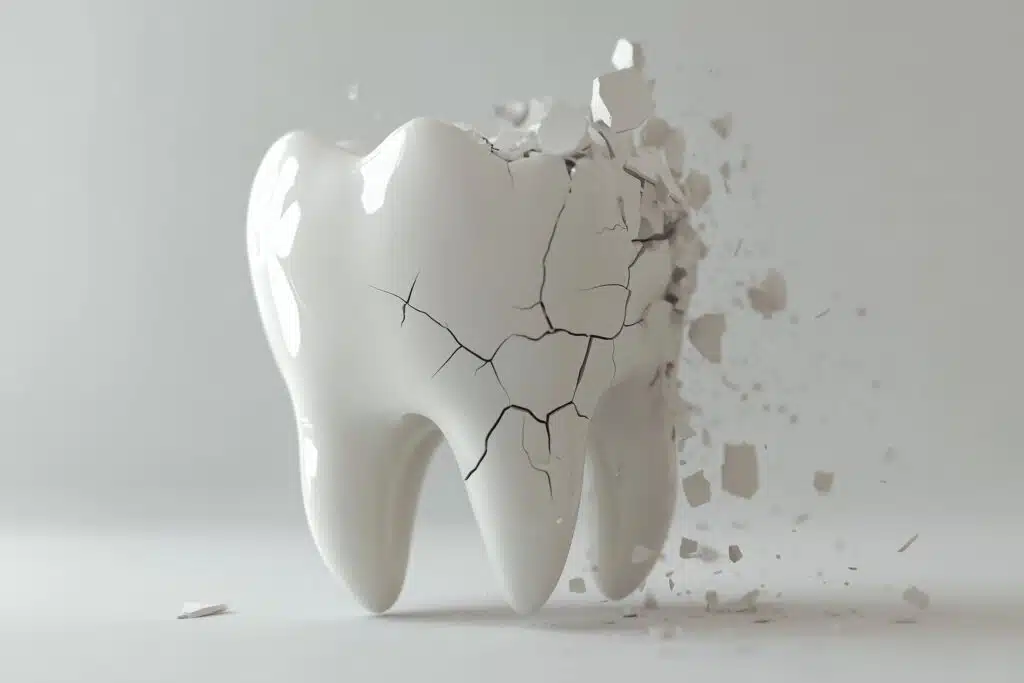
Cracked or Broken Tooth:
If your tooth is chipped, cracked, or broken:
- Use warm water to rinse out your mouth
- Apply a cold compress for swelling
Knocked-Out Teeth: If you have a knocked-out tooth:
- Don’t touch the root, only the crown
- Try to place it back in the socket, if possible or place it between your cheek and gum or a container of milk
- Use a cold, wet compress for bleeding
Tooth, Teeth, or Jaw Pain:
Your pain could be associated with:
- Swelling, fever, a sour taste, or difficulty swallowing indicating an infection
- An abscessed tooth with pain coming from your tooth’s pulp canal that could require antibiotics, drainage, or root canal
Bleeding or Aching Gums:
Excessive and frequent bleeding along with aching gums is an indicator of periodontal disease that requires:
- Treatment to keep gums, teeth, tissue, and bones healthy
- Treatment will vary based on the severity
Soft Tissue Injury:
If you have severe bites or cuts to your lip or tongue:
- Clean the area gently with water
- Apply a cold compress for bleeding
- See a medical professional for severe bites or cuts that require stitches.
How to Handle a Dental Emergency This Holiday Season
If you unfortunately experience a dental emergency this holiday season, here are some tips for how you can handle it:
- Contact a Dentist – If possible, contact your regular dentist for advice. They may be available over the holidays or have an emergency number that you can call. Even though dental offices may be closed over the holidays, many dentists have emergency phone numbers that you can call for urgent dental care.
- Take pain medications: Over-the-counter pain medications can help to manage dental pain and discomfort temporarily. However, it’s important to follow the directions on the label and not take more than the recommended dose.
- Practice dental first aid: If you have dental injuries such as a broken tooth or a knocked-out tooth, dental first aid can help to reduce pain and discomfort. For a knocked out tooth, try to put the tooth back in its socket and hold it there until you can see the dentist. For a broken tooth, rinse your mouth gently with warm salt water, cover any sharp edges with dental wax or dental cotton, and apply cold compresses on the outside of the mouth to reduce swelling.
- Visit an emergency room: If you can’t get in touch with your regular dentist or if you are experiencing severe pain, visit your nearest emergency room for help.
Tips for Managing Pain at Home
If you are unable to get in touch with a dentist immediately, there are some tips for managing dental pain at home:
- Take over-the-counter pain medications such as ibuprofen or acetaminophen.
- Use an ice pack on the outside of your mouth to reduce swelling and discomfort.
- Rinse your mouth gently with warm salt water.
- Use a desensitizing toothpaste to reduce sensitivity.
- Avoid chewing hard foods or using your teeth to open packages and bottles, as this can make the pain worse.
Make an Appointment with Stonebrook Family Dental
If you are experiencing a dental emergency this holiday season, contact the team at Stonebrook Family Dental immediately. We understand that dental emergencies can be stressful and we want to help you get the treatment you need as soon as possible. Our experienced dentist and staff are here to assist with any type of urgent dental care, from cracked or broken teeth to severe pain. We will do our best to accommodate your needs and provide you with the highest quality of care available. Contact us today for more information!