Is Stress Destroying Your Healthy Smile?

Achieve a Healthy Smile With These Time-Saving Tips
August 4, 2023
Fluoride: The Magical Mineral for a Healthier, Whiter Smile
August 18, 2023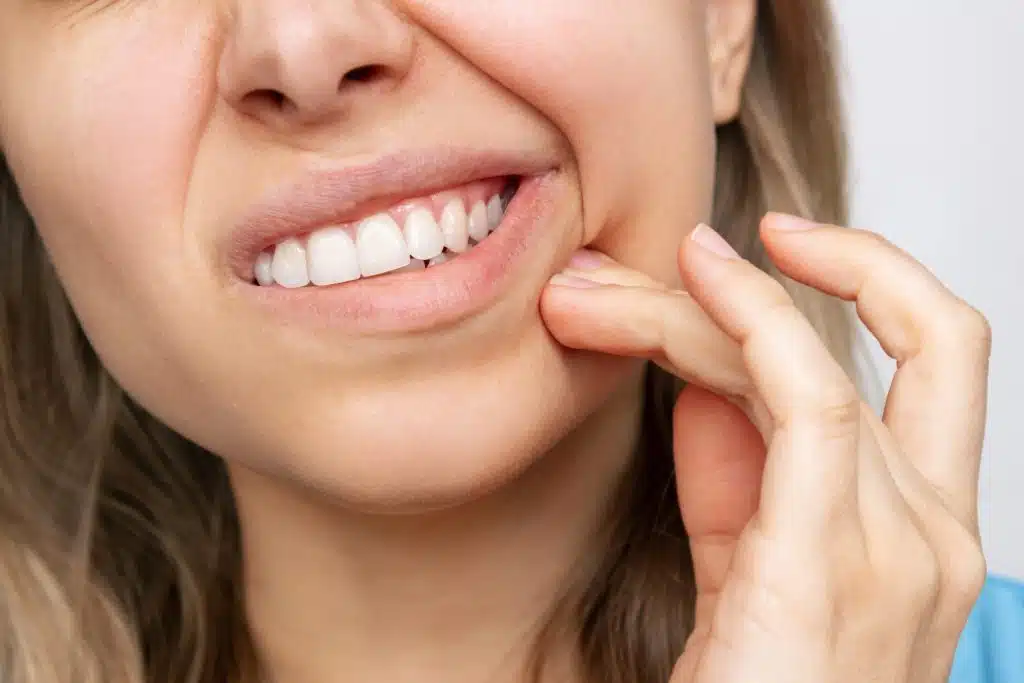
It’s true that stress can have a negative impact on many aspects of life – and your smile is no exception. Unmanaged stress can lead to oral health problems like cavities, enamel erosion, and bruxism (teeth grinding), all of which can damage your perfect smile. In this article, we’ll explore how to recognize the signs of stress-related oral damage and look at strategies to keep your healthy smile safe from the effects of anxiety.
Stress and Dental Health
It may come as a surprise, but mental health is closely related to oral health. Issues such as depression, stress, and anxiety can have an impact on the integrity of your teeth. According to the National Health and Nutrition Examination Survey, almost two-thirds of people diagnosed with depression reported experiencing a toothache, while half of all clinically depressed individuals surveyed rated the condition of their teeth as fair or poor. There’s also a fairly strong link between gum disease and poor mental health. Those with problems such as depression and anxiety need to take extra care when following a dental hygiene routine, to ensure that they keep their mouth clean and healthy.
Is Stress Destroying Your Healthy Smile?
Stress is one of the most common triggers for oral health problems – cavities, bruxism (teeth grinding), enamel erosion, and more. If left untreated, these issues can lead to larger dental problems such as tooth decay and periodontal disease. Here’s how to recognize the most common signs of stress-related damage on your teeth and mouth:
Cavities – Cavities are one of the most common signs of oral stress damage. Cavities occur when bacteria in your mouth creates an acidic environment that breaks down tooth enamel. When left untreated, cavities can lead to further problems such as tooth decay and periodontal disease.
Enamel Erosion – Enamel erosion is another common sign of stress-related damage. When you grind your teeth or consume acidic foods and drinks, your enamel can begin to erode away. Over time, this can lead to increased sensitivity in your teeth as well as a higher risk for decay and cavities.
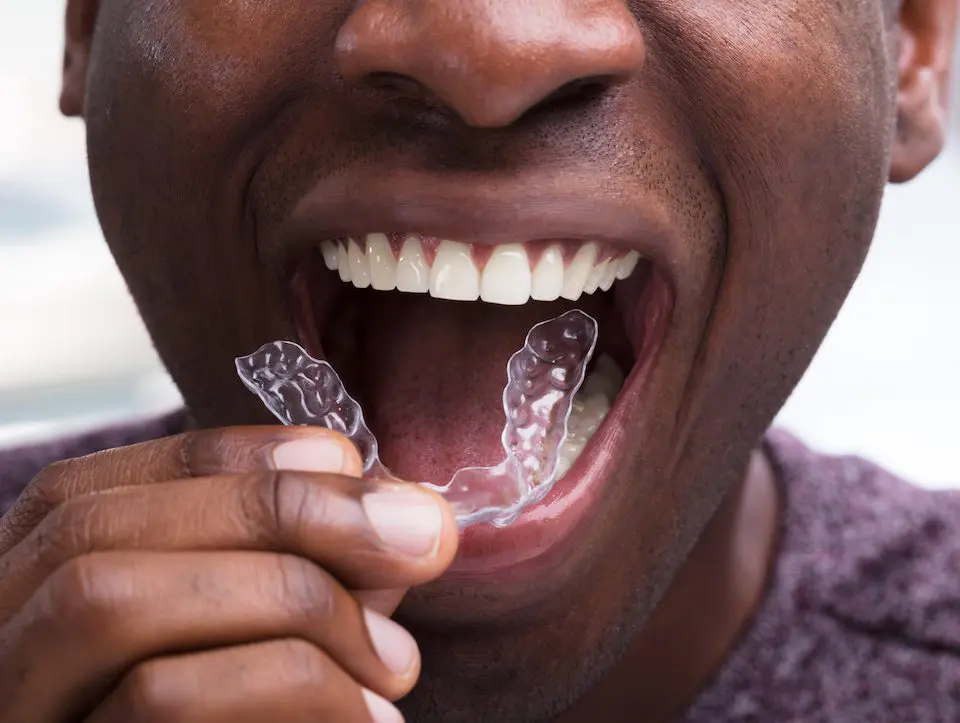
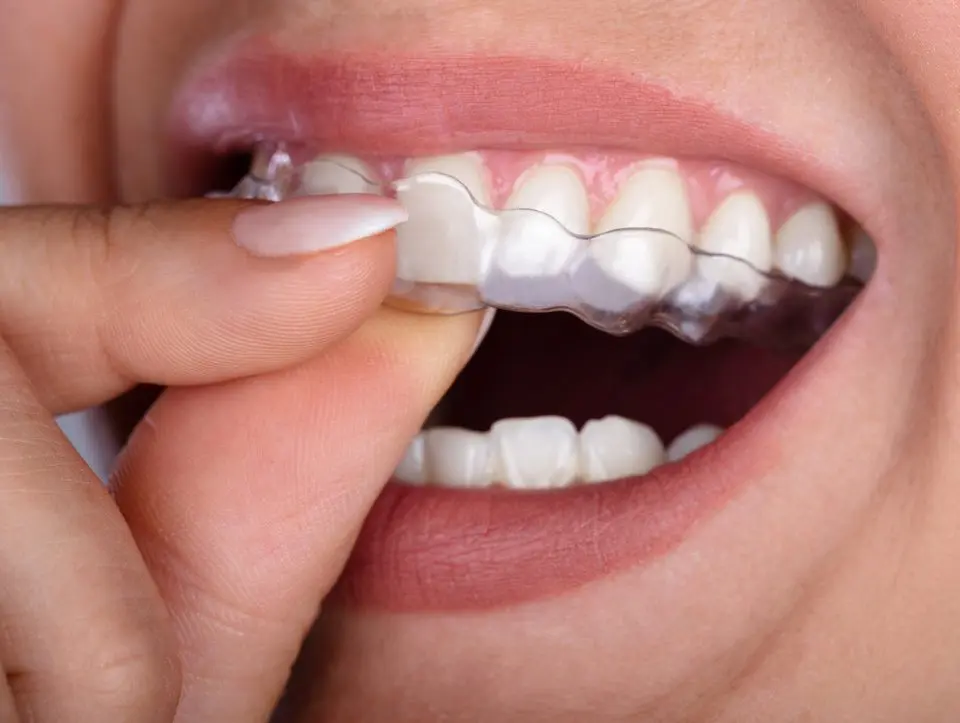
Bruxism (Teeth Grinding) – Teeth grinding, or bruxism, is another common sign of stress. This subconscious habit can cause wear and tear on your teeth over time, leading to increased sensitivity as well as a higher risk for cavities and tooth decay.
How Your Dentist Can Help
If you’re concerned that stress is damaging your teeth, it’s important to visit your dentist. Your dentist can help identify the extent of damage done and provide recommendations for potential treatments. Depending on the severity of the damage, you may need professional cleaning or restorative care such as fillings or crowns. In addition, your dentist can also suggest lifestyle changes such as stress management strategies and/or strengthening activities to help reduce the effects of oral health damage caused by stress.
Tips for Protecting Your Healthy Smile
It’s important to take the steps necessary to manage your stress in order to protect your perfect smile. Here are some tips to help you keep your healthy smile safe from the effects of stress:
- Practice Relaxation Techniques – Take time out of each day to practice relaxation techniques such as yoga, deep breathing exercises, or mindfulness meditation. This can help reduce tension and create a sense of calm in your life.
- Eat Healthy Foods – Eating nutritious foods like fruits, vegetables, and whole grains can help reduce inflammation in the body. Eating a balanced diet that is low in processed sugars and carbohydrates can also help protect your teeth from decay and cavities.
- Drink Water – Staying well hydrated throughout the day helps keep your mouth clean and healthy by rinsing away bacteria, debris, and food particles that can cause decay and cavities.
- Visit Your Dentist Regularly – Seeing your dentist regularly is an important part of maintaining a healthy smile. A periodic check-up can help detect any potential issues before they have a chance to become more serious problems.
By taking steps to manage stress, eat healthy foods, stay hydrated, and visit your dentist regularly, you can help keep your perfect smile safe from the damaging effects of stress. With a little bit of effort, you can ensure that your healthy smile will last for years to come. To learn more, contact Stonebrook Family Dental today!