When Do Adult Teeth Need to be Extracted?

Let’s Talk About Root Canal Awareness Week
May 10, 2024
The Benefits of Fluoride and Dental Sealants for Dental Health
May 23, 2024
Teeth are crucial to our overall health and well-being. They aid in digestion, help us communicate clearly, and contribute to our facial structure. However, there are times when maintaining a natural tooth is no longer viable, and extraction becomes necessary. Understanding when adult teeth need to be extracted can help alleviate anxiety and ensure timely treatment. In this comprehensive guide, Stonebrook Family Dental explains the circumstances under which adult teeth need to be extracted and what patients can expect during the process.
Common Reasons for Tooth Extraction
1. Severe Tooth Decay
One of the most frequent reasons for tooth extraction is severe decay. When cavities are left untreated, they can penetrate deep into the tooth, reaching the pulp and causing infection. If the infection is extensive and cannot be managed with root canal therapy, extraction becomes the best course of action to prevent the spread of infection.
2. Gum Disease
Periodontal disease, commonly known as gum disease, affects the gums and bone supporting the teeth. In advanced stages, it can lead to the loosening of teeth due to the deterioration of the surrounding bone. When a tooth becomes too loose, extraction may be necessary to maintain oral health and prevent further complications.
3. Impacted Wisdom Teeth
Wisdom teeth, or third molars, are the last set of teeth to emerge, usually between the ages of 17 and 25. Often, there isn’t enough space in the mouth for these teeth to come in properly, leading to impaction. Impacted wisdom teeth can cause pain, infection, and damage to neighboring teeth, requiring extraction.
4. Overcrowding
Overcrowding occurs when there isn’t enough space in the mouth for all the teeth to align properly. This can lead to misalignment and bite issues. Orthodontic treatment often necessitates the extraction of one or more teeth to create space and ensure proper alignment.
5. Trauma or Injury
Accidents and injuries can cause severe damage to teeth. While dental professionals strive to save damaged teeth through restorative procedures, extraction may be necessary if the tooth is beyond repair.
6. Failed Dental Treatments
Sometimes, previous dental treatments like root canals or fillings fail due to various reasons such as reinfection or structural damage. When these treatments cannot be redone successfully, extraction becomes the only viable option.
7. Preparation for Dentures or Implants
In some cases, teeth need to be extracted to prepare the mouth for dentures or dental implants. This ensures a secure fit and optimal function of the prosthetic appliance.
The Tooth Extraction Process
Understanding the tooth extraction process can help reduce anxiety and ensure you’re well-prepared for the procedure. Here’s what you can expect:
Initial Consultation
Your dentist will conduct a thorough examination, including X-rays, to assess the condition of the tooth and surrounding structures. This helps in planning the extraction procedure and determining whether a simple or surgical extraction is needed.
Types of Extractions
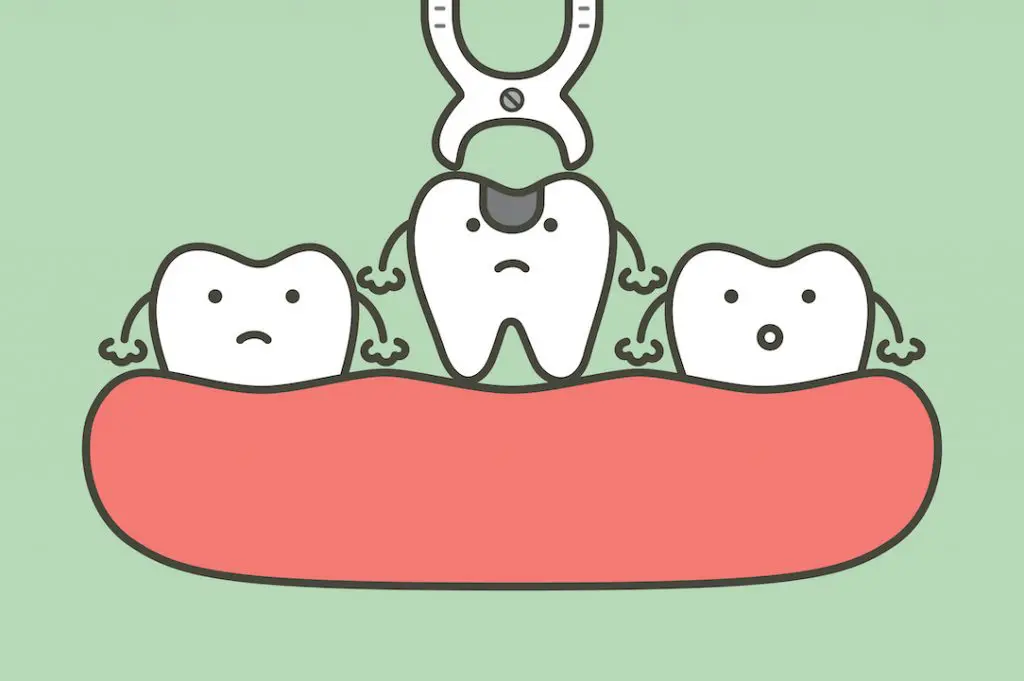
- Simple Extraction: This is performed on visible teeth and involves loosening the tooth with an elevator and then removing it with forceps.
- Surgical Extraction: This is necessary for teeth that are not easily accessible, such as impacted teeth. It involves making an incision in the gum to remove the tooth.
Anesthesia
To ensure you are comfortable during the procedure, local anesthesia is administered to numb the extraction site. For more complex extractions or anxious patients, sedation options may also be available.
Removal Procedure
Once the area is numb, the dentist will proceed with the extraction. For a surgical extraction, the dentist may need to remove some bone around the tooth or cut the tooth into smaller pieces to facilitate removal.
Post-Extraction Care
After the tooth is removed, it’s crucial to follow post-extraction care instructions to promote healing and prevent complications:
- Bite on Gauze: To control bleeding, bite on a gauze pad placed over the extraction site for 30-45 minutes.
- Avoid Rinsing and Spitting: For the first 24 hours, avoid rinsing your mouth or spitting to allow a blood clot to form at the extraction site.
- Apply Ice Packs: Use ice packs on the outside of your cheek to reduce swelling.
- Take Prescribed Medications: Follow the dentist’s instructions regarding pain management and antibiotics, if prescribed.
- Maintain Oral Hygiene: Continue brushing and flossing your other teeth, but avoid the extraction site to prevent dislodging the blood clot.
- Diet: Stick to soft foods and avoid hot, spicy, or crunchy foods that could irritate the extraction site.
When to Contact Your Dentist
While complications are rare, it’s essential to monitor your recovery and contact your dentist if you experience any of the following:
- Severe pain not relieved by pain medication
- Prolonged bleeding
- Swelling that worsens after 48 hours
- Signs of infection, such as fever or discharge from the extraction site
Make an Appointment with Stonebrook Family Dental
Tooth extraction is a common dental procedure that can significantly improve oral health and overall well-being. At Stonebrook Family Dental, we strive to provide a comfortable and stress-free experience for our patients. If you suspect you need a tooth extraction or have any concerns about your oral health, don’t hesitate to contact us for a consultation. Our experienced team is here to guide you through the process and ensure you receive the best care possible.
For more information on our services and to schedule an appointment, visit our website or call us today. Your journey to a healthier smile starts here at Stonebrook Family Dental.