How Long Does It Take for a Cavity to Develop?

Are Dental Implants a Permanent Solution?
September 6, 2024
Are Your Teeth Sensitive to Cold Foods & Drinks?
September 20, 2024
Cavities, or dental caries, are a prevalent dental issue that can affect anyone. Understanding how long it takes for a cavity to develop can be crucial for maintaining good oral health and preventing serious dental problems. At Stonebrook Family Dental, we are committed to providing you with the information you need to protect your smile. Here’s a comprehensive look at how cavities form, the factors that influence their development, and what you can do to prevent them.
The Process of Cavity Formation
Cavities develop over time through a gradual process involving several stages:
1. Plaque Formation
Timeline: Plaque, a sticky film of bacteria, begins to form on your teeth within hours after eating. If plaque is not removed by regular brushing and flossing, it can build up and begin to harden into tartar.
How It Leads to Cavities: The bacteria in plaque produce acids as they digest the sugars and carbohydrates from the food you eat. These acids can erode the enamel, the hard outer layer of your teeth, setting the stage for cavity formation.
2. Enamel Demineralization
Timeline: Enamel demineralization can start within a few days to weeks if plaque remains on your teeth. This stage involves the loss of minerals from the enamel due to acid attack.
How It Leads to Cavities: As the enamel loses minerals, it becomes weakened and more susceptible to decay. Early signs of demineralization might include white spots on your teeth, which indicate areas where enamel is starting to break down.
3. Dentin Involvement
Timeline: If demineralization continues and is not addressed, the decay can penetrate deeper into the tooth. This progression can take several weeks to months, depending on various factors, including your oral hygiene and diet.
How It Leads to Cavities: Once the decay reaches the dentin, the softer layer beneath the enamel, it can spread more quickly. Dentin is more vulnerable to acid and contains tiny tubules that lead to the nerve endings, which can cause sensitivity and discomfort.
4. Cavity Formation
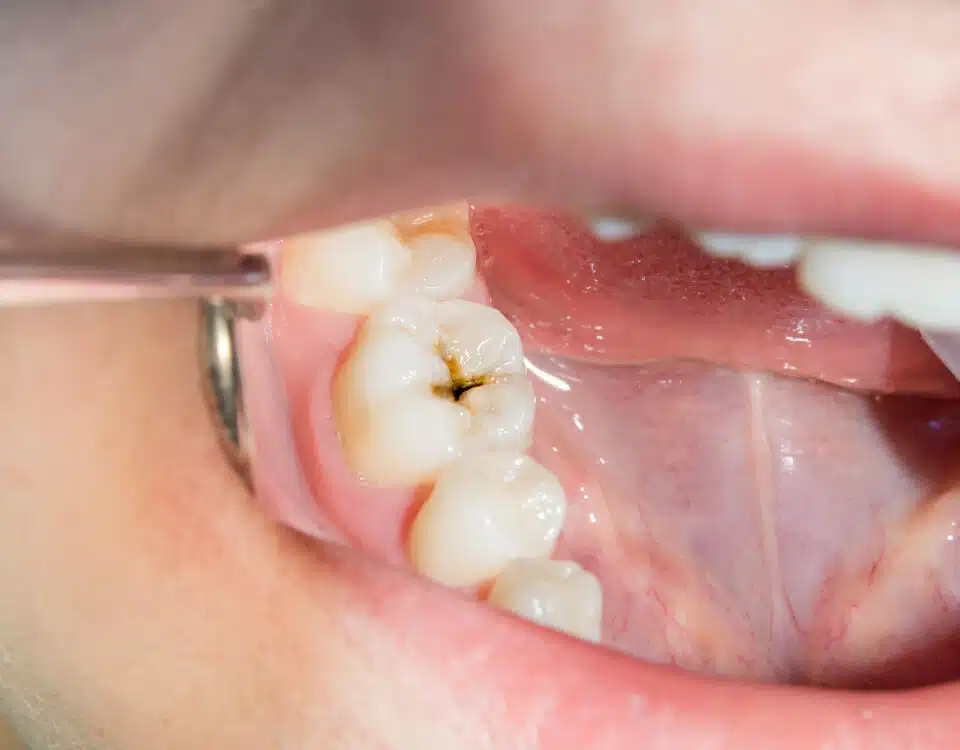
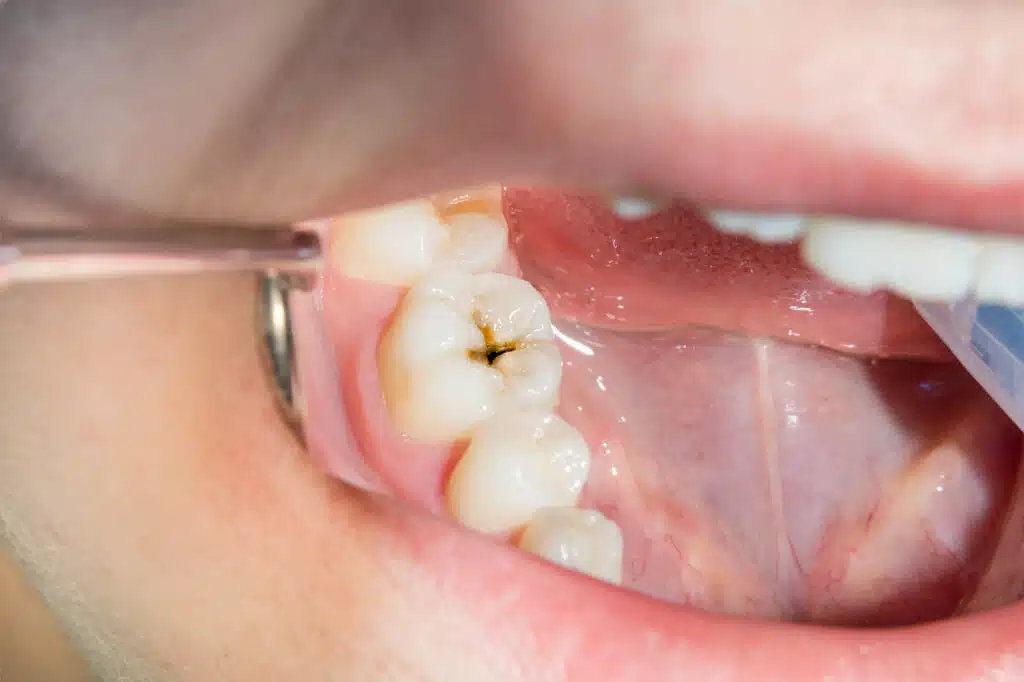
Timeline: The formation of a visible cavity, characterized by a hole or pit in the tooth, can vary widely. For some individuals, it may take several months to over a year for a cavity to become noticeable or symptomatic.
How It Leads to Cavities: As the decay progresses, it creates a cavity that can cause pain, sensitivity, and visible damage. At this stage, prompt dental treatment is necessary to prevent further damage and restore the tooth.
Factors Affecting Cavity Development
Several factors can influence how quickly cavities develop:
1. Oral Hygiene Practices
Impact: Inadequate oral hygiene, such as infrequent brushing and flossing, allows plaque to build up, accelerating cavity formation.
Prevention: Maintaining a consistent oral hygiene routine by brushing twice daily with fluoride toothpaste and flossing daily can help prevent plaque buildup and cavity development.
2. Diet
Impact: A diet high in sugars and carbohydrates provides fuel for cavity-causing bacteria. Frequent consumption of sugary foods and drinks can speed up the decay process.
Prevention: Reducing sugar intake and consuming a balanced diet that includes plenty of fruits, vegetables, and water can help protect your teeth from cavities.
3. Fluoride Exposure
Impact: Fluoride strengthens enamel and helps reverse early signs of decay. Without adequate fluoride, enamel is more prone to damage.
Prevention: Using fluoride toothpaste and receiving professional fluoride treatments can enhance your enamel’s resistance to acid attacks and slow down cavity progression.
4. Saliva Production
Impact: Saliva helps neutralize acids and wash away food particles. Reduced saliva production, due to medications or health conditions, can increase cavity risk.
Prevention: Staying hydrated and discussing any issues with saliva production with your dentist can help manage the risk of cavities.
5. Regular Dental Check-Ups
Impact: Regular dental visits allow for early detection of cavities and other dental issues, often before they cause significant damage.
Prevention: Routine check-ups and cleanings at Stonebrook Family Dental enable us to identify early signs of decay and provide timely treatment to prevent further progression.
Make an Appointment with Stonebrook Family Dental
The timeline for cavity development can vary widely depending on several factors, including your oral hygiene, diet, fluoride exposure, and individual health conditions. Understanding this process can help you take proactive measures to protect your teeth and maintain good oral health.
At Stonebrook Family Dental, we are dedicated to helping you prevent and manage cavities. If you have concerns about your dental health or need to schedule a check-up, contact us today. Our experienced team is here to provide personalized care and guidance to keep your smile healthy and beautiful.