What to Do If You’re Grinding Your Teeth

Cracked and Chipped Teeth: When to Worry and What to Do
May 19, 2025
Why Aurora Families Trust Stonebrook Family Dental for Comprehensive Care
June 5, 2025
Teeth grinding, also known as bruxism, is a common issue that affects millions of people worldwide. While it may seem like a harmless habit, grinding your teeth—especially during sleep—can lead to a variety of serious dental problems, including tooth damage, jaw pain, and headaches. If you’ve ever woken up with a sore jaw or noticed that your teeth look worn down, it’s possible that you’re grinding your teeth without even realizing it.
At Stonebrook Family Dental, we believe that early detection and treatment of bruxism are essential for protecting your oral health. In this blog, we’ll walk you through the causes of teeth grinding, the potential risks, and the best steps to take if you’re grinding your teeth.
What Is Teeth Grinding (Bruxism)?
Teeth grinding, or bruxism, refers to the involuntary clenching or grinding of the teeth, often during sleep. It can also occur while awake, especially during times of stress or concentration. Most people who grind their teeth aren’t aware of it until they start experiencing symptoms such as jaw pain, headaches, or worn-down teeth.
Bruxism can occur in both children and adults, and the severity of the condition can vary from person to person. For some, teeth grinding is a mild and occasional habit. For others, it can cause significant damage to teeth and jaw structures.
Common Symptoms of Teeth Grinding
How do you know if you’re grinding your teeth? Here are some common signs and symptoms:
1. Worn-Down Teeth
One of the most noticeable signs of bruxism is the wearing down of your tooth enamel. If your teeth look flattened or appear more worn than usual, it could be a sign that you’re grinding your teeth, especially if you have no other explanation for the damage.
2. Jaw Pain or Soreness
Grinding your teeth can strain your jaw muscles and joints, leading to pain or stiffness. This can cause discomfort when opening or closing your mouth, chewing, or even talking.
3. Headaches
Frequent headaches, especially in the morning, are common among people who grind their teeth. These headaches are often caused by muscle tension in the jaw and temples.
4. Tooth Sensitivity
Teeth grinding can cause enamel loss, which can expose the sensitive layers of your teeth. If you notice increased sensitivity to hot, cold, or sweet foods and drinks, it could be due to bruxism.
5. Chipped or Cracked Teeth
The constant pressure from grinding can lead to chips or cracks in your teeth, which can become more pronounced over time if the grinding continues.
6. Earaches
Since the jaw and ear muscles are closely connected, bruxism can sometimes lead to earaches or a feeling of fullness in the ears. This discomfort can sometimes be confused with an ear infection, so it’s important to rule out other causes.
What Causes Teeth Grinding?
Teeth grinding can be caused by a variety of factors, including:
1. Stress and Anxiety
Emotional stress or anxiety is one of the most common causes of bruxism. People who are stressed may unconsciously clench or grind their teeth as a response to tension or frustration. This is more common at night, when you’re asleep and less aware of your actions.
2. Sleep Disorders
People who suffer from sleep apnea, snoring, or other sleep disorders may be more prone to grinding their teeth at night. Interrupted or poor-quality sleep can contribute to bruxism.
3. Misaligned Teeth or Jaw Issues
If your teeth or jaw are misaligned (a condition called malocclusion), it can cause an uneven bite. This misalignment may make you more likely to grind your teeth as your mouth tries to find a more comfortable position.
4. Medications
Certain medications, particularly antidepressants and other psychotropic drugs, can have side effects that include bruxism. If you’ve recently started a new medication and noticed teeth grinding, consult with your doctor about alternative options.
5. Caffeine and Alcohol
Consuming too much caffeine or alcohol, especially in the evening, can increase the likelihood of grinding your teeth. These substances can stimulate the nervous system and lead to muscle tension.
6. Genetics
In some cases, bruxism may run in families. If your parents or siblings have had a history of teeth grinding, you may be at an increased risk.
How to Stop Grinding Your Teeth
If you suspect that you’re grinding your teeth, it’s essential to take action to prevent further damage. Here are the best steps you can take:
1. Visit Your Dentist
The first step is to schedule an appointment with your dentist. At Stonebrook Family Dental, we’ll examine your teeth and jaw for signs of grinding, and we can help identify any underlying causes. Your dentist may recommend treatment options, such as a mouthguard or other preventive measures.
2. Wear a Nightguard
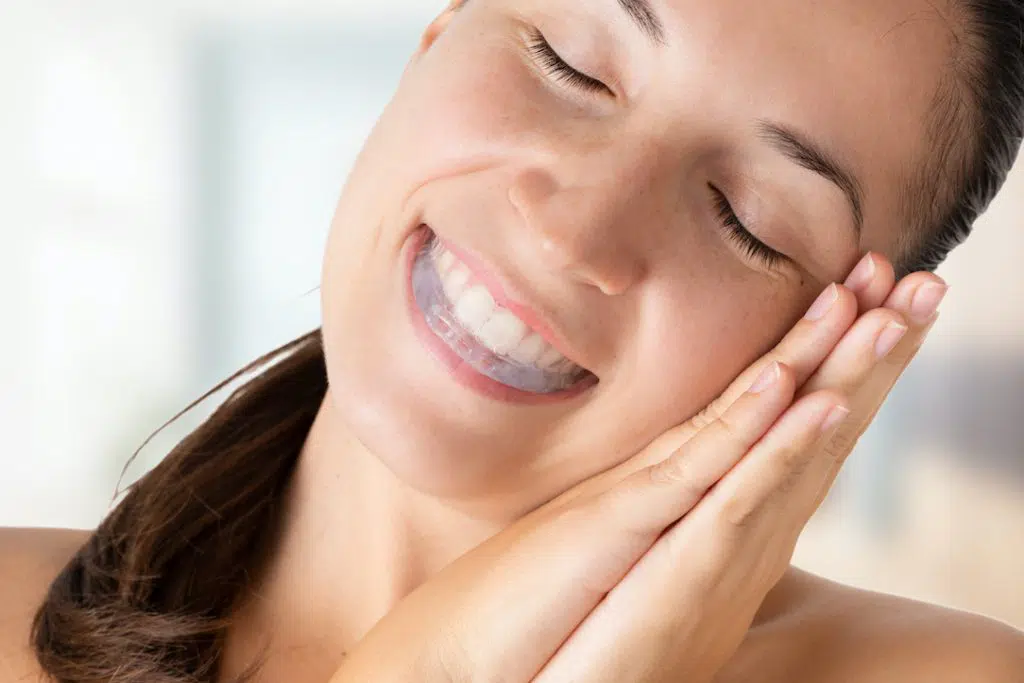
A nightguard (or occlusal splint) is a custom-made appliance that fits over your teeth while you sleep. It helps protect your teeth from the pressure caused by grinding and can prevent tooth damage, jaw pain, and headaches. Nightguards are particularly effective for people who grind their teeth during sleep.
3. Reduce Stress and Anxiety
Since stress is a major trigger for bruxism, finding ways to reduce stress in your daily life can help alleviate the habit. Try relaxation techniques like deep breathing, yoga, meditation, or even physical exercise to relieve tension.
4. Improve Sleep Quality
If sleep disorders are contributing to your teeth grinding, addressing the root cause is crucial. Talk to your doctor if you suffer from conditions like sleep apnea, and work on improving your sleep hygiene by maintaining a consistent bedtime routine, avoiding caffeine before bed, and ensuring your sleep environment is comfortable.
5. Correct Misalignment
If your teeth or jaw are misaligned, your dentist may recommend orthodontic treatment to address the issue. By correcting the alignment of your teeth, you may reduce the urge to grind.
6. Limit Caffeine and Alcohol
Try to reduce your intake of caffeine and alcohol, particularly in the evening. These substances can increase the likelihood of grinding your teeth during the night.
Don’t Wait—Get Help for Teeth Grinding Today
If you’re experiencing symptoms of bruxism, don’t wait until the damage is done. At Stonebrook Family Dental, we’re here to help you protect your smile and keep your teeth healthy for years to come. Whether you need a custom nightguard, a stress management plan, or a treatment for misalignment, our team can help you address the underlying causes of teeth grinding and find the best solution for your needs.