How Diet Impacts Your Dental Health

Celebrating Dental Assistants Recognition Week: The Team Members Who Keep Dental Care Running Smoothly
March 6, 2026
Understanding Gum Disease and How to Prevent It
March 19, 2026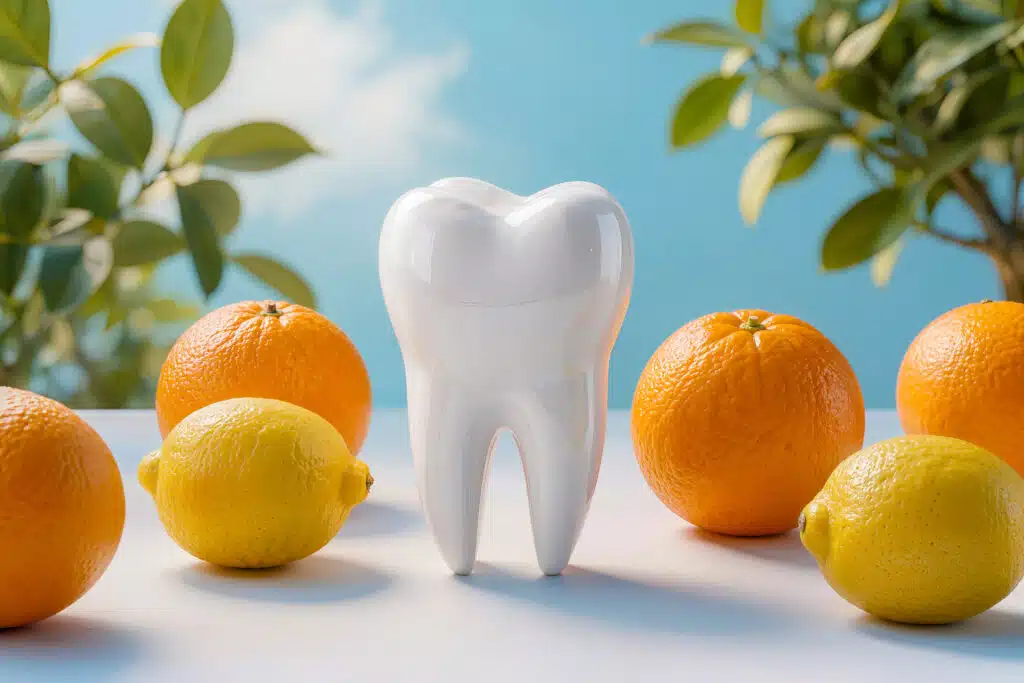
What you eat and drink plays a powerful role in the health of your teeth and gums. While brushing, flossing, and regular dental visits are essential for maintaining a healthy smile, diet is often an overlooked factor in preventing cavities, gum disease, enamel erosion, and other oral health concerns.
At Stonebrook Family Dental, we believe education is key to helping patients make informed choices about their oral health. Understanding how different foods and beverages affect your teeth can help you build habits that support a strong, confident smile for years to come.
The Connection Between Nutrition and Oral Health
Your mouth is the first step in the digestive process, which means it is constantly exposed to the foods and drinks you consume. Nutrients can strengthen and protect teeth, while certain dietary habits may increase the risk of dental problems.
A balanced diet supports:
-
Strong enamel development
-
Healthy gum tissue
-
Proper saliva production
-
Reduced risk of decay and inflammation
-
Faster healing after dental procedures
On the other hand, frequent exposure to sugars and acids can weaken tooth structure and create an environment where harmful bacteria thrive.
How Sugar Contributes to Tooth Decay
Sugar is one of the most well-known contributors to cavities. When sugary foods or drinks are consumed, bacteria in the mouth feed on these sugars and produce acids as a byproduct. These acids attack tooth enamel, gradually breaking it down in a process called demineralization.
Common high-sugar foods and beverages include:
-
Candy and desserts
-
Sweetened coffee and tea drinks
-
Soda and sports drinks
-
Flavored yogurts
-
Packaged snack foods
It is not just the amount of sugar that matters — frequency is also important. Snacking throughout the day gives bacteria repeated opportunities to produce acid, increasing the risk of enamel damage.
Acidic Foods and Enamel Erosion
In addition to sugar, acidic foods and beverages can directly wear down enamel. Once enamel is lost, it cannot regenerate, which makes prevention especially important.
Examples of acidic items include:
-
Citrus fruits and juices
-
Tomato-based sauces
-
Soda and energy drinks
-
Vinegar-based dressings
-
Wine
While many acidic foods are nutritious and can be part of a healthy diet, moderation and proper timing can help reduce their impact on teeth.
Drinking water after consuming acidic foods, waiting at least 30 minutes before brushing, and using a straw for acidic beverages can help minimize enamel erosion.
Sticky and Processed Foods Can Increase Risk
Foods that cling to the teeth can prolong exposure to sugars and acids. Sticky snacks such as dried fruit, caramel, granola bars, and certain crackers may seem harmless, but they can become trapped in grooves and between teeth.
When food particles remain in the mouth for extended periods, bacteria have more time to produce harmful acids. This makes thorough brushing and flossing especially important for individuals who enjoy these types of snacks.
The Protective Role of Saliva
Saliva plays an essential role in maintaining oral health. It helps neutralize acids, wash away food debris, and deliver minerals that support enamel strength.
Certain dietary habits can influence saliva production. For example:
-
Dehydration can reduce saliva flow
-
Frequent consumption of caffeine or alcohol may contribute to dry mouth
-
Sugary or acidic diets may overwhelm saliva’s protective effects
Drinking enough water throughout the day is one of the simplest ways to support both oral and overall health.
Tooth-Friendly Foods That Support a Healthy Smile
Not all foods are harmful to your teeth. Many nutrient-rich options can actually help strengthen enamel, reduce plaque buildup, and support gum health.
Consider incorporating more of the following into your diet:
Dairy products: Milk, cheese, and yogurt provide calcium and phosphorus, which help rebuild enamel. Cheese also stimulates saliva production.
Crunchy fruits and vegetables: Apples, carrots, and celery help naturally clean tooth surfaces and encourage saliva flow.
Leafy greens: Spinach, kale, and other greens contain important vitamins and minerals that support gum tissue health.
Lean proteins: Foods like chicken, fish, eggs, and nuts provide nutrients that contribute to strong teeth and healthy oral tissues.
Green and black tea: These beverages contain compounds that may help reduce harmful bacteria in the mouth when consumed without added sugar.
A balanced diet benefits not only your smile but also your immune system and overall well-being.
The Impact of Frequent Snacking
Modern lifestyles often involve eating on the go or grazing throughout the day. While convenient, frequent snacking can increase the risk of dental problems.
Every time you eat, acid levels in the mouth rise for approximately 20 to 30 minutes. If snacking occurs repeatedly, teeth may spend much of the day in an acidic environment, which can accelerate enamel wear and cavity development.
Planning structured meals, choosing tooth-friendly snacks, and drinking water between eating occasions can help reduce these risks.
Nutrition and Gum Health
Diet also plays a role in preventing gum disease. Deficiencies in certain vitamins and minerals — such as vitamin C, vitamin D, and calcium — may contribute to inflammation and weakened immune response.
Poor nutrition can make it more difficult for the body to fight infection and repair damaged tissues. Over time, this may increase the likelihood of gingivitis or periodontal disease.
Maintaining a diet rich in whole foods, fruits, vegetables, and essential nutrients supports both oral and systemic health.
Supporting Children’s Dental Health Through Diet
Healthy dietary habits established in childhood can have lasting benefits. Limiting sugary drinks, encouraging water consumption, and providing balanced meals help protect developing teeth.
Parents can support their child’s smile by:
-
Offering nutritious snacks instead of sweets
-
Avoiding prolonged use of juice or milk in bottles
-
Teaching proper brushing and flossing routines
-
Scheduling regular dental visits
Positive habits formed early often continue into adulthood.
Practical Tips for a Smile-Friendly Diet
Making small adjustments to your eating and drinking habits can significantly improve oral health.
Helpful strategies include:
-
Choose water as your primary beverage
-
Limit sugary treats to mealtimes rather than snacking
-
Rinse your mouth after consuming acidic foods
-
Read nutrition labels to identify hidden sugars
-
Maintain consistent oral hygiene routines
-
Visit your dentist regularly for preventive care
These steps can help protect enamel, support gum health, and reduce the likelihood of dental concerns.
A Healthy Diet Supports a Healthy Smile
Your dietary choices influence more than just your overall wellness — they directly impact the strength and longevity of your teeth and gums. By understanding how nutrition affects oral health and making mindful decisions each day, you can take an active role in protecting your smile.
At Stonebrook Family Dental, we are committed to helping patients build healthy habits that support long-term dental health. If you have questions about diet, cavity prevention, or maintaining strong teeth at every stage of life, our team is here to guide you toward confident, lasting smiles.