Gum Disease Planing and Root Scaling
Benefits of Dental Botox
September 11, 2018Your Child’s First Dental Visit
September 25, 2018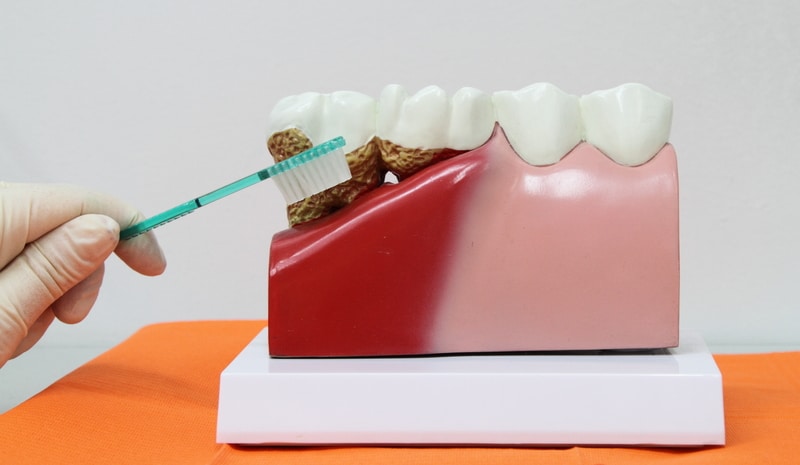
Gum disease is one of the worst oral health diseases, and the vast majority of people don’t even realize they have it. This disease starts out with gum irritation, swelling, and maybe some bleeding. However, it is relatively painless, which is how it can get to a severe stage when tooth loss happens. Planing and root scaling is a deep cleaning that is one of the best periodontal treatment for halting and reversing the effects of gum disease. Find out how these cleanings work and how it can prevent your gum disease from progressing!
Do You Have Gum Disease?
Many people don’t realize that you can get diseased gums until it happens to them. However, patients are often familiar with tooth decay—or cavities—because up to 92% of people get these. Cavities happen because sugar mixes with mouth bacteria to create an acidic substance called plaque. That plaque sticks to your teeth, and because it is acidic, it erodes your tooth enamel, causing decay. However, your gums cover most of your teeth and are right in the hot zone where plaque likes to stick around.
Plaque collects along the gumline, and because it is acidic, it has a harsh effect on your gums. Your gums will start to become irritated by acidic plaque the longer you go without brushing and flossing. They may get somewhat swollen, may turn a darker shade of red from irritation and may bleed more. That bleeding is much more likely when brushing and flossing. If your gums look darker red or you have bleeding gums, it’s a good indication that you have some form of gum disease.

Stages of Gum Disease
If your gums bleed, don’t panic. However, be aware that changes need to be made to your oral hygiene routine. Over 64.7 million American adults have some form of gum disease, and many don’t realize it because this disease is fairly painless until the later stages. Studies show that there are different levels of gum disease that include:
- Gingivitis: This is the first stage of gum disease and the easiest stage to reverse. Patients will notice swollen or somewhat puffy gums, that may be tender off and on. Bleeding will occur when patients floss and sometimes when they brush. Patients may also notice their gums are a bit darker red than they used to be. 8.7% of people have gingivitis, which can be reversed with quick intervention.
- Moderate gum disease: Your gingivitis starts to turn into mid-level gum disease when tooth recession starts to happen. About 30% of Americans have moderate gum disease, which could be because many people didn’t realize they had gingivitis and it got worse. When gums get irritated enough, they begin to recede from plaque. This reveals more of the tooth root, which can get sensitive with hot and cold foods and drinks, and even air hitting the tooth. This stage can be reversed if gum recession is caught soon enough.
- Severe gum disease: About 8.5% of people in the U.S. have severe forms of gum disease. This is the stage where tooth recession has happened so much that the teeth begin to fall out. Gums hold the teeth in place. When they recede, more and more of the tooth is exposed until there is no gum tissue to hold it in place. Teeth start to fall out all over the place, and the gums may be too mushy for any dental implants or dentures to restore a smile. Toothlessness is very possible with patients with severe gum disease.
Planing and Root Scaling: How Can It Help?
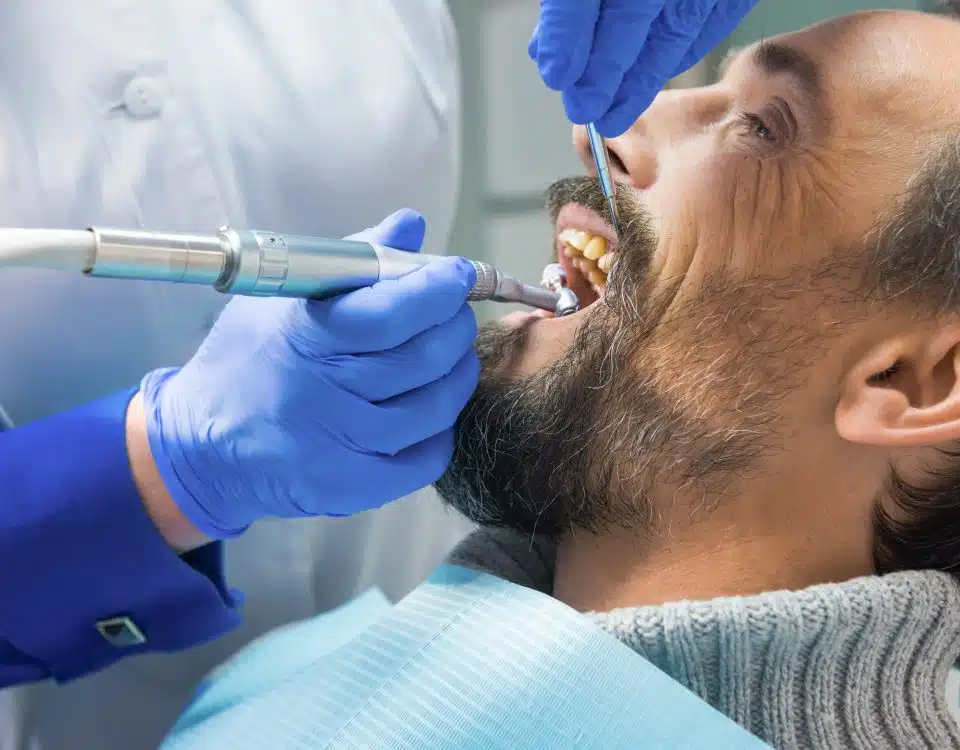
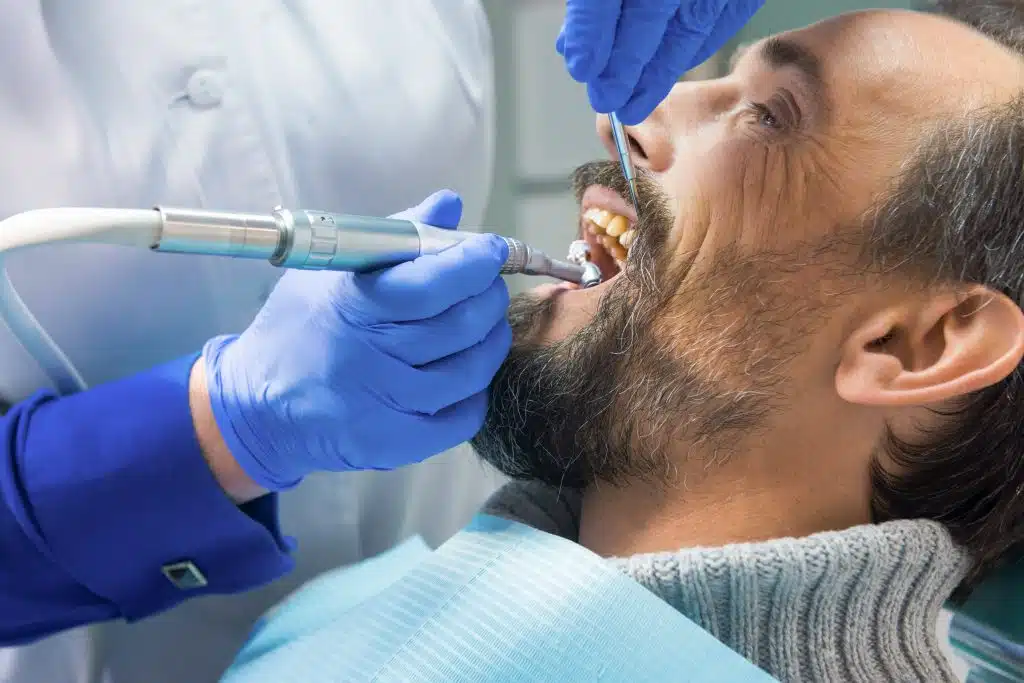
If you already have gum disease, it can be intimidating to combat it on your own. Fortunately, you don’t have to. We are happy to help our patients overcome gum disease. We often want to see these patients more often so we can provide them with deeper cleanings than what they can accomplish at home. One of those cleanings is called “planing and root scaling”. This is similar to a dental cleaning, but involves cleaning the gum—or gingival—pockets where infection can happen.
We use normal scaling and scraping tools as well as ultrasonic devices to clean patient’s teeth, just like we would do in a dental cleaning. However, we measure your gum tissue pockets to see how far gum disease has progressed. Using those tools, we will clean just under your gum line to remove food and plaque particles, tartar on your tooth roots and pockets of infection. That removal can help calm down gum irritation and recession. Frequent planing and root scaling can help reverse the effects of gum disease.

What We Know
Studies show that men are more prone to get gum disease than women, with statistics being about 56.4% in men vs. 38.4% in women. This can be due to oral hygiene habits, hormones, medications and chronic conditions. People who use tobacco products (such as cigarettes) and alcohol have a much higher chance of having problems with gum disease. Despite those facts, we also know that gum disease is 100% avoidable. All you have to do is take care of your oral health. You do that by:
- Brushing your teeth each and every day with fluoride toothpaste, making sure to brush for two minutes at a time, each time.
- Flossing your teeth. You must do this 1-2 times a day, making sure to get up in the gumline, scraping the teeth as you floss.
- Using mouthwash to kill decay-causing bacteria that makes plaque.
- Visiting the dentist for biannual comprehensive exams, dental cleanings, and treatments for gum disease.
Nobody has to get gum disease, and they especially don’t need to let it get to the severe stages of tooth loss. If you notice any of the signs of gingivitis, or your tooth roots are showing more than they used to, make sure to schedule a consultation at Stonebrook Family Dental by calling (303) 872-7907!