How to Recover Quickly from a Root Canal Procedure

A Step-by-Step Guide to Preventing Tooth Decay
September 8, 2022
The Risks of Bruxism: How Teeth Grinding Can Affect Your Oral Health
September 22, 2022
If you’re like most people, the thought of a root canal procedure makes your heart race. But don’t worry – root canals aren’t nearly as bad as they used to be! In fact, modern techniques make the process relatively quick and painless. However, you will still need to take some time to recover properly. In this blog post, we will discuss how to recover quickly from a root canal procedure. Follow these tips and you’ll be feeling better in no time!
The Importance of Treating Infected Teeth
Before we get into the specifics of how to recover quickly from a root canal procedure, let’s first talk about why it’s important to treat an infected tooth. An infection in your tooth can occur for many reasons – perhaps you have a cavity that has become infected, or you suffered an injury to your tooth that allowed bacteria to enter. Regardless of how the infection started, it’s important to treat it quickly. Left untreated, an infection can spread to other parts of your body and cause serious health problems. A root canal procedure is one way to treat an infected tooth and stop the spread of infection.
What is a Root Canal Procedure?
A root canal procedure is a treatment used to save a tooth that has been damaged or infected. The procedure involves removing the damaged or infected tissue from the inside of the tooth and then sealing it to protect it from further damage. Root canal procedures are typically performed by dentists or endodontists, which are specialists in this type of treatment.
The Treatment Process
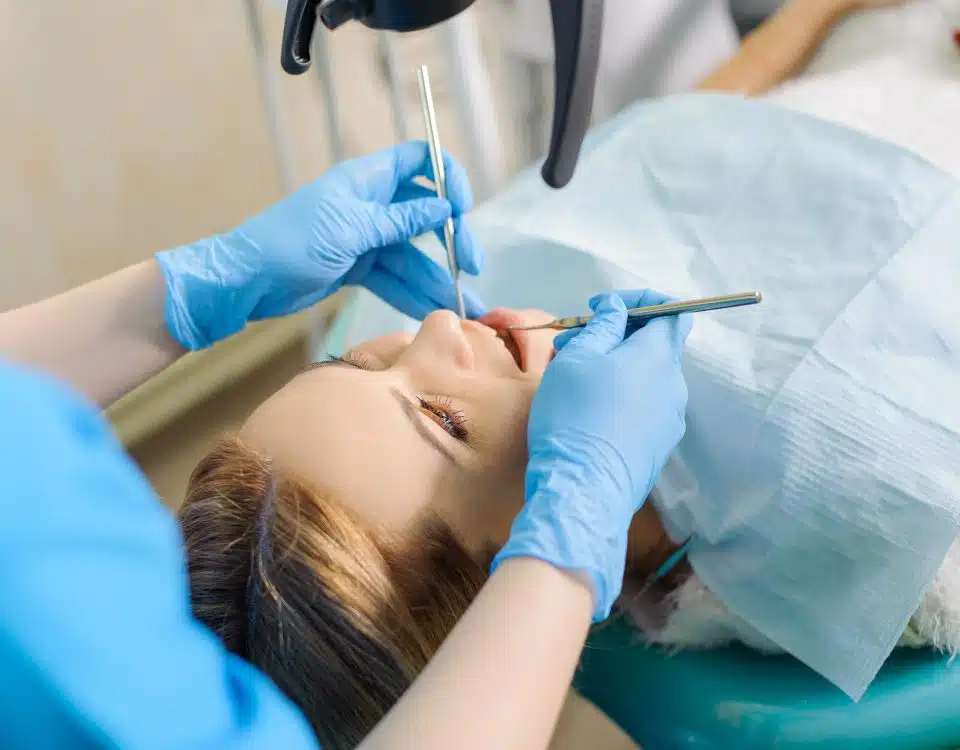
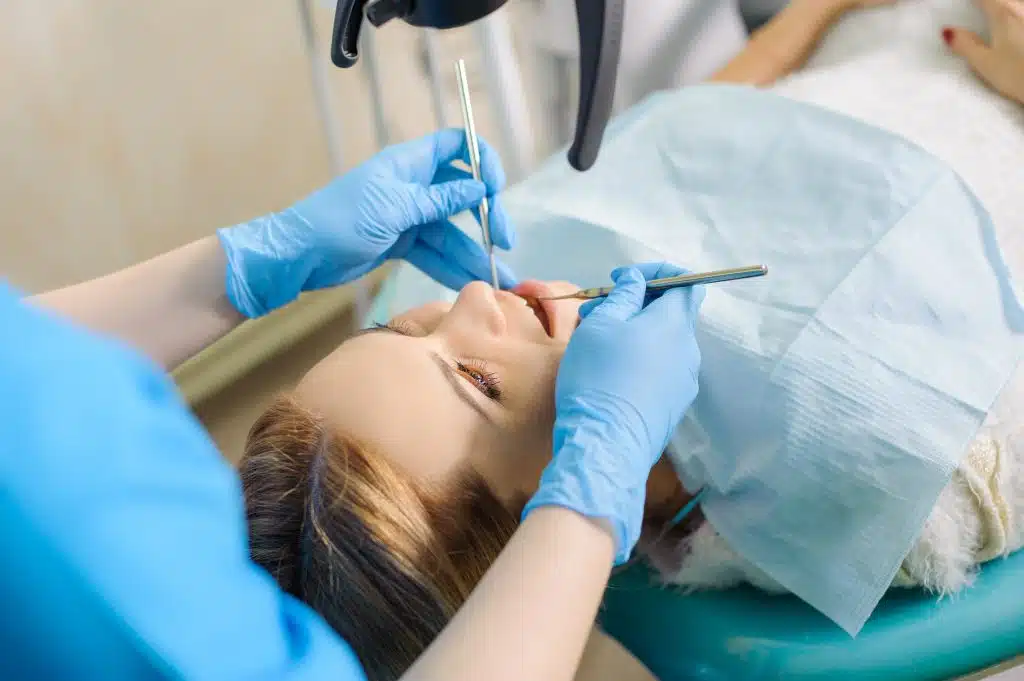
The first step of a root canal procedure is to numb the area around the tooth. This will help you to remain comfortable during the treatment. Next, your dentist or endodontist will create an opening in the top of the tooth so that they can access the inside. Once they have access, they will remove the damaged or infected tissue from inside the tooth. Finally, they will seal the tooth to protect it from further damage.
What Should I Expect After the Procedure?
The American Association of Endodontists explains that, after your procedure, your dentist will send you home with instructions for pain management and how to care for your tooth while recovering from treatment and until a follow-up visit. Following guidelines for care is especially important if a temporary filling or crown is in place.
As the medication used to numb your mouth during the procedure wears off, you may feel some tenderness in the area for a few days as everything heals and some mild soreness in your jaw from keeping your mouth open for an extended period during the procedure. These temporary symptoms usually respond well to over-the-counter medication but your doctor may prescribe stronger, narcotic medication as well. It’s important to carefully follow the instructions for medications and that narcotics can make you drowsy so you should exercise caution when taking them and driving a car or operating dangerous machinery.
When to Follow Up
Though you may experience a slightly different sensation from your treated tooth than your other teeth for some time, you should contact your dentist immediately if you experience any of the following symptoms:
- Severe pain or pressure lasting more than a few days
- Visible swelling inside or outside your mouth
- An allergic reaction to medication (rash, hives or itching)
- Your bite feels uneven
- The temporary crown or filling, if one was put in place, comes out (losing a thin layer is normal)
- Symptoms you experienced prior to treatment return
How to Recover Quickly from a Root Canal Procedure
There are a few things you can do to help ensure a quick and easy recovery from a root canal procedure:
- Take over-the-counter pain medication as needed to help with any discomfort
- Avoid chewing on the treated tooth until it has been properly restored
- Eat soft foods and avoid crunchy or chewy foods immediately after the procedure
- Brush and floss your teeth as normal, but be gentle around the treated tooth
- Avoid using straws, as sucking can cause increased bleeding and discomfort
- Rinse your mouth with salt water several times a day to help keep the area clean
Make an Appointment with Stonebrook Family Dental
If you are experiencing pain or sensitivity in a tooth, it’s important to have it checked out by a dental professional as soon as possible. If you live in or around the Aurora area, we invite you to make an appointment with Stonebrook Family Dental. Contact us today!