Sensitive Teeth This Summer? Here’s What You Can Do

Beat the Heat, Protect Your Teeth: Summer Hydration & Oral Health
July 10, 2025
Family Dental Care in Aurora: One Office, Every Smile
July 24, 2025
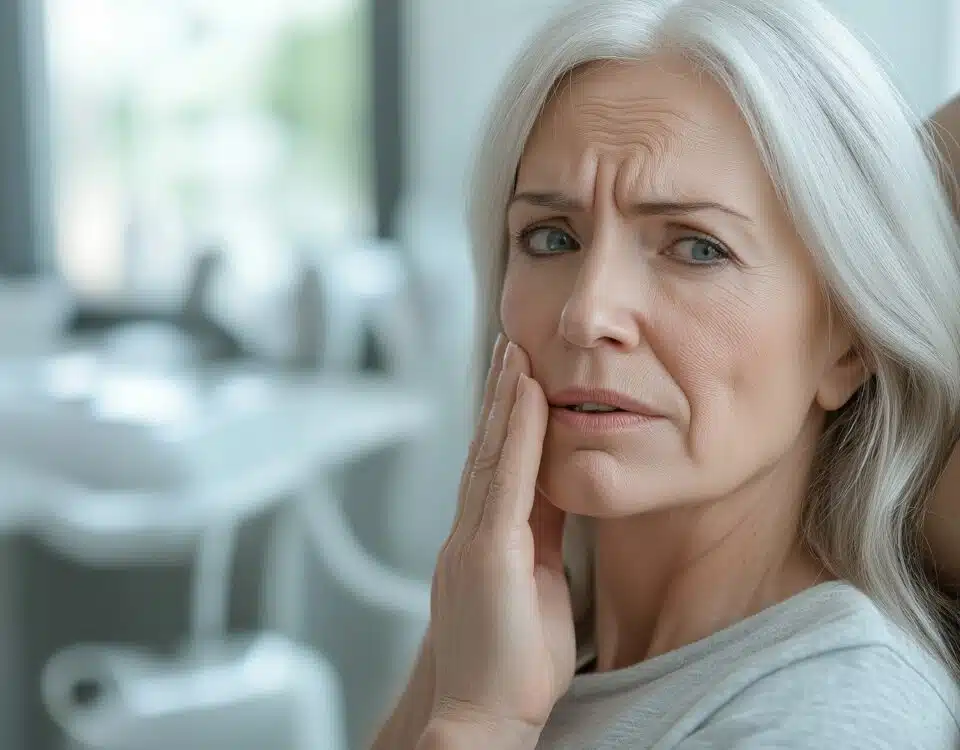
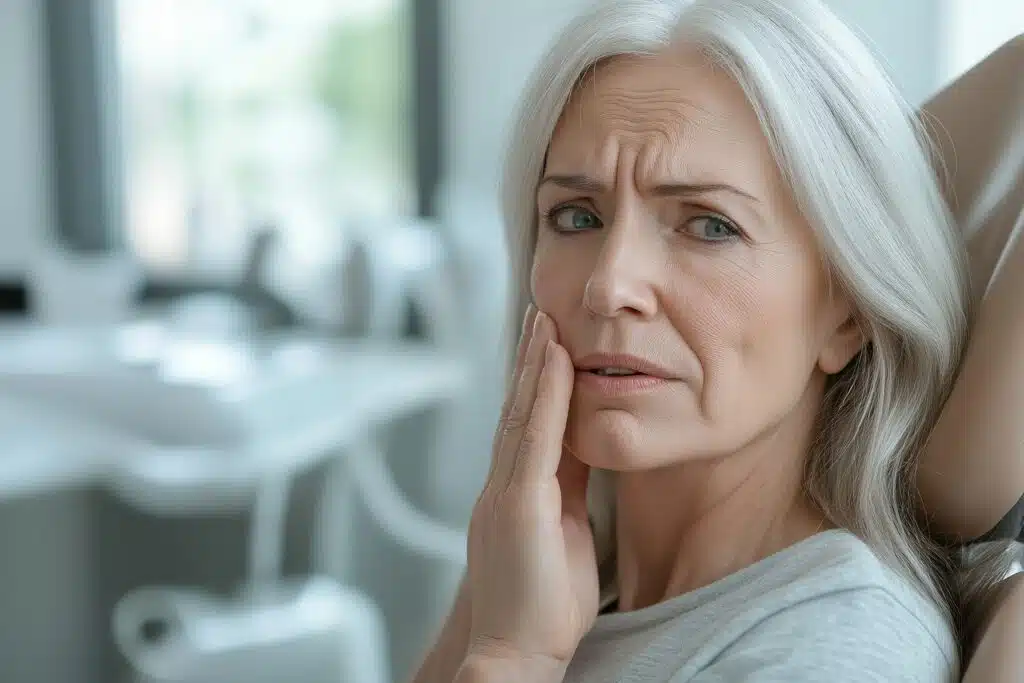
Summer in Aurora is all about sunshine, time outdoors, refreshing drinks, and cool treats. But if your teeth react painfully to cold beverages or frozen desserts, you’re not alone. Tooth sensitivity is a common issue—especially during warmer months—and it can put a damper on even the most enjoyable summer moments.
At Stonebrook Family Dental, we frequently hear from patients who notice increased tooth sensitivity when the temperature rises and their diet changes. If you’ve ever winced from a sip of ice water or avoided popsicles because of a zing in your teeth, this guide is for you.
Let’s explore what causes tooth sensitivity, why summer can make it worse, and what you can do to find lasting relief.
What Is Tooth Sensitivity?
Tooth sensitivity occurs when the dentin—the soft layer underneath your enamel—becomes exposed. Dentin contains tiny tubules that connect directly to the nerve of your tooth. When exposed to cold, heat, sweet, or acidic substances, these tubules allow the sensation to reach the nerve, resulting in a sharp, uncomfortable feeling.
This exposure is typically due to worn enamel or receding gums. While it’s not always a sign of a serious problem, tooth sensitivity is not something to ignore, especially if it gets worse or interferes with daily habits like eating, drinking, or brushing.
What Causes Tooth Sensitivity?
There are several possible causes behind tooth sensitivity, including:
Enamel Erosion
Your enamel is your teeth’s protective outer layer. It can wear down over time due to:
-
Brushing too hard or using a hard-bristled toothbrush
-
Eating acidic foods and beverages
-
Acid reflux that introduces stomach acid into the mouth
Gum Recession
As gums recede, the roots of your teeth become exposed. Unlike enamel-covered crowns, tooth roots have little protection and are more vulnerable to pain and sensitivity.
Tooth Decay or Cracked Teeth
Cavities and cracks can expose the dentin or even the inner pulp, making the tooth far more reactive to outside stimuli like temperature and pressure.
Teeth Grinding (Bruxism)
Chronic grinding or clenching can wear down enamel and lead to micro-cracks that worsen sensitivity.
Overuse of Whitening Products
Some whitening agents, especially over-the-counter products, can increase sensitivity if used too frequently or improperly.
Recent Dental Procedures
Sometimes, dental work like fillings, crowns, or professional cleanings can cause temporary sensitivity that usually resolves on its own.
Why Does Tooth Sensitivity Seem Worse in the Summer?
While tooth sensitivity can happen year-round, many patients notice it more during the summer months. That’s often because of changes in both diet and behavior.
Cold Beverages and Treats
More iced coffee, cold water, lemonade, popsicles, and ice cream can all trigger sensitivity in exposed teeth.
Acidic Foods and Drinks
Popular summer staples like citrus fruits, sodas, and sports drinks are often high in acid, which can wear down enamel and increase discomfort.
Dehydration
In hot weather, it’s easier to become dehydrated. Dehydration reduces saliva production, and saliva plays a vital role in neutralizing acids and protecting enamel.
Increased Clenching or Grinding
Seasonal changes in sleep patterns, stress from travel or schedules, and heat-related restlessness can lead to more nighttime clenching or grinding.
What You Can Do at Home
Thankfully, there are several steps you can take at home to reduce or even eliminate sensitivity. These preventive measures are simple, affordable, and effective when used consistently.
Switch to a Desensitizing Toothpaste
Look for a toothpaste specifically formulated for sensitive teeth. These products contain ingredients like potassium nitrate or stannous fluoride, which help block nerve signals from reaching the brain.
Use a Soft-Bristled Toothbrush
A soft-bristled brush helps reduce enamel wear and gum irritation. Brush gently, using small circular motions, and avoid aggressive scrubbing.
Avoid Acidic and Cold Foods
Cut back on acidic or extremely cold foods and drinks. If you can’t avoid them entirely, use a straw to minimize contact with your teeth and rinse your mouth with water afterward.
Stay Hydrated
Drink plenty of water throughout the day. Staying hydrated not only helps your overall health but also ensures that you produce enough saliva to protect your teeth.
Wear a Night Guard
If you grind your teeth at night, a custom mouthguard can protect your enamel and prevent further damage. Grinding is often a silent cause of increasing sensitivity.
When to See a Dentist
While mild sensitivity can be managed at home, there are times when professional dental care is necessary. You should schedule a visit if:
-
Your sensitivity lasts more than a week or two
-
The pain is getting worse
-
You feel discomfort in just one specific area or tooth
-
You also experience swelling or bleeding gums
-
It interferes with your eating, drinking, or oral hygiene routine
At Stonebrook Family Dental, we will perform a comprehensive exam to identify the root cause of your sensitivity. Depending on what we find, your treatment options may include:
-
Fluoride treatments to strengthen enamel
-
Dental bonding to seal exposed areas of dentin
-
Fillings or crowns if decay or damage is present
-
Scaling and root planing to address gum recession or periodontal disease
-
Customized night guards for patients who grind their teeth
-
Guidance on effective and gentle oral care habits
Don’t Let Sensitivity Ruin Your Summer Smile
Tooth sensitivity may be common, but it’s not something you have to live with—especially not during the summer when you should be enjoying your favorite foods and drinks. Whether your discomfort is new or something you’ve dealt with for years, there’s a solution—and we’re here to help you find it.
At Stonebrook Family Dental in Aurora, we’re committed to providing compassionate, high-quality care that helps you live, eat, and smile with confidence.