The Importance of Maintaining Healthy Gums: A Guide from Stonebrook Family Dental

Family-Friendly Tips for Teaching Kids Good Oral Hygiene Habits
February 12, 2025
Are Dental X-Rays Necessary? A Guide from Stonebrook Family Dental
February 27, 2025
At Stonebrook Family Dental, we believe that maintaining healthy gums is just as important as caring for your teeth. Often, people focus solely on brushing and flossing their teeth but overlook the critical role that gums play in your overall oral health. Your gums support your teeth, act as a barrier to infection, and influence your overall well-being. This blog will highlight why gum health matters, how you can take care of your gums, and what could happen if gum health is neglected.
What Are Gums, and Why Are They Important?
Your gums, also known as gingiva, are the soft tissues that surround and support your teeth. They help anchor your teeth to the bone, creating a tight seal that keeps bacteria and food particles from infiltrating the spaces between your teeth and gums. Healthy gums play a crucial role in protecting your teeth from decay and keeping your mouth free from harmful bacteria.
In addition to their protective function, gums also have a cosmetic aspect. Well-maintained gums contribute to a bright, healthy smile, enhancing your overall appearance.
Signs of Healthy Gums
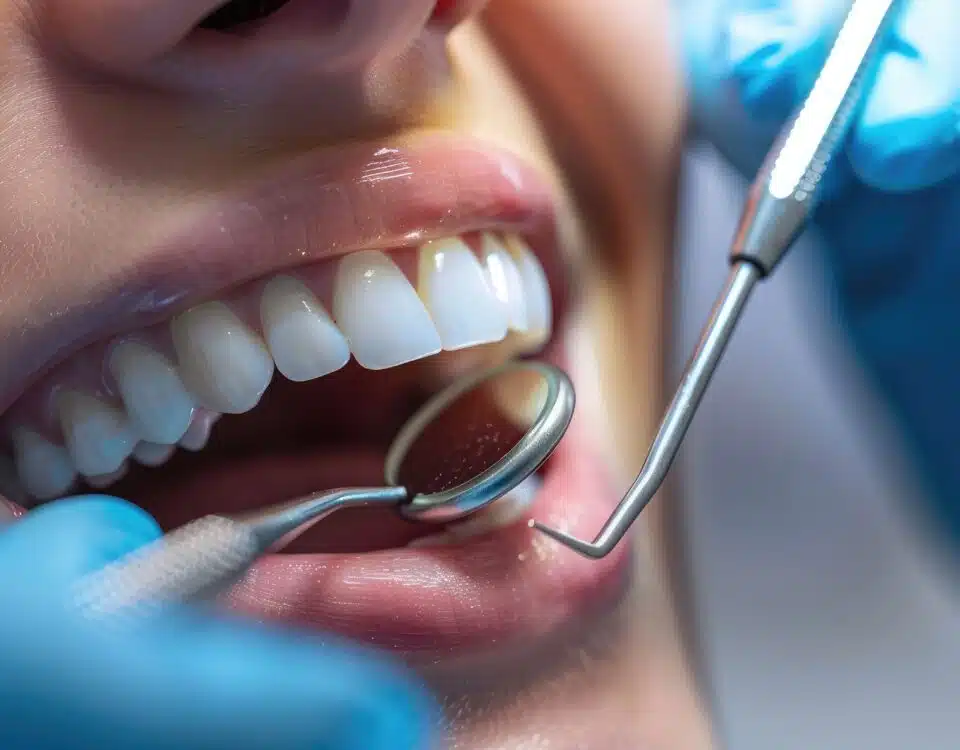
Healthy gums are typically firm, pink, and free from inflammation or bleeding. When you brush or floss your teeth, you shouldn’t experience pain or bleeding if your gums are in good condition. The absence of redness, swelling, or tenderness also indicates that your gums are healthy and resilient.
Common Gum Problems
While healthy gums can go unnoticed, gum disease can quickly develop without proper care. Some common gum problems include:
-
Gingivitis: The earliest stage of gum disease, characterized by redness, swelling, and bleeding when brushing or flossing. Gingivitis is usually reversible with improved oral hygiene practices.
-
Periodontitis: If gingivitis goes untreated, it can progress into periodontitis, a more severe form of gum disease. This stage can lead to tooth loss, gum recession, and damage to the bone structure that supports the teeth.
-
Receding Gums: Receding gums happen when the gum tissue pulls away from the teeth, exposing the tooth roots. This condition can be caused by aggressive brushing, poor oral hygiene, or gum disease.
-
Bad Breath (Halitosis): Chronic bad breath can often be a sign of gum disease, as bacteria build-up between your teeth and gums can lead to an unpleasant odor.
How to Maintain Healthy Gums
Taking care of your gums is simple but requires regular attention. Here are some essential steps to keep your gums healthy:
-
Brush Your Teeth Twice a Day: Brushing your teeth at least twice daily with a fluoride toothpaste helps remove plaque that can build up on your teeth and gums. Use a soft-bristled toothbrush to avoid irritating your gums.
-
Floss Daily: Flossing removes food particles and plaque from between your teeth and along the gumline—areas your toothbrush can’t reach. It’s an essential step in preventing gum disease.
-
Visit Your Dentist Regularly: Routine dental checkups, including professional cleanings, help catch any early signs of gum disease. Your dentist can also provide advice on proper brushing and flossing techniques.
-
Avoid Tobacco: Smoking and chewing tobacco can harm your gums and increase your risk for gum disease. Quitting tobacco is one of the best things you can do for your oral health.
-
Eat a Balanced Diet: Eating a diet rich in vitamins and minerals, particularly vitamin C, can help keep your gums strong. A healthy diet supports the immune system and helps your body fight off infection.
-
Stay Hydrated: Drinking plenty of water helps wash away food particles and bacteria, reducing the chances of gum infection.
The Link Between Gum Health and Overall Health
Maintaining healthy gums isn’t just about protecting your smile—it’s also linked to your overall health. Research has shown that gum disease can contribute to a variety of systemic health issues, including:
-
Heart Disease: Gum disease has been linked to an increased risk of heart disease and stroke, possibly due to the inflammation caused by oral bacteria.
-
Diabetes: Gum disease can make it harder to control blood sugar levels, increasing the risk of diabetes and complicating its management.
-
Respiratory Problems: Bacteria from infected gums can enter the lungs, contributing to respiratory issues, including pneumonia.
-
Pregnancy Complications: Pregnant women with gum disease may be at greater risk of preterm birth and low birth weight babies.
When to See a Dentist
If you notice any signs of gum problems, such as bleeding gums, persistent bad breath, or gum recession, it’s important to schedule a visit with your dentist. Early intervention can help prevent more serious issues down the line.
At Stonebrook Family Dental, we are committed to helping you maintain a healthy mouth and a beautiful smile. If you have any questions about gum health or need to schedule a checkup, don’t hesitate to reach out. We’re here to support your dental care every step of the way.
Healthy gums are essential for a healthy mouth—and your overall well-being. By following a good oral hygiene routine, visiting your dentist regularly, and staying mindful of any changes in your gums, you can avoid many common gum problems and keep your smile bright for years to come. At Stonebrook Family Dental, we prioritize your gum health and are here to help guide you on your journey to a healthier mouth.