What Is Bruxism?
Prevent Disease With An Oral Cancer Screening
September 18, 2019Celebrate National Dental Hygiene Month
October 2, 2019
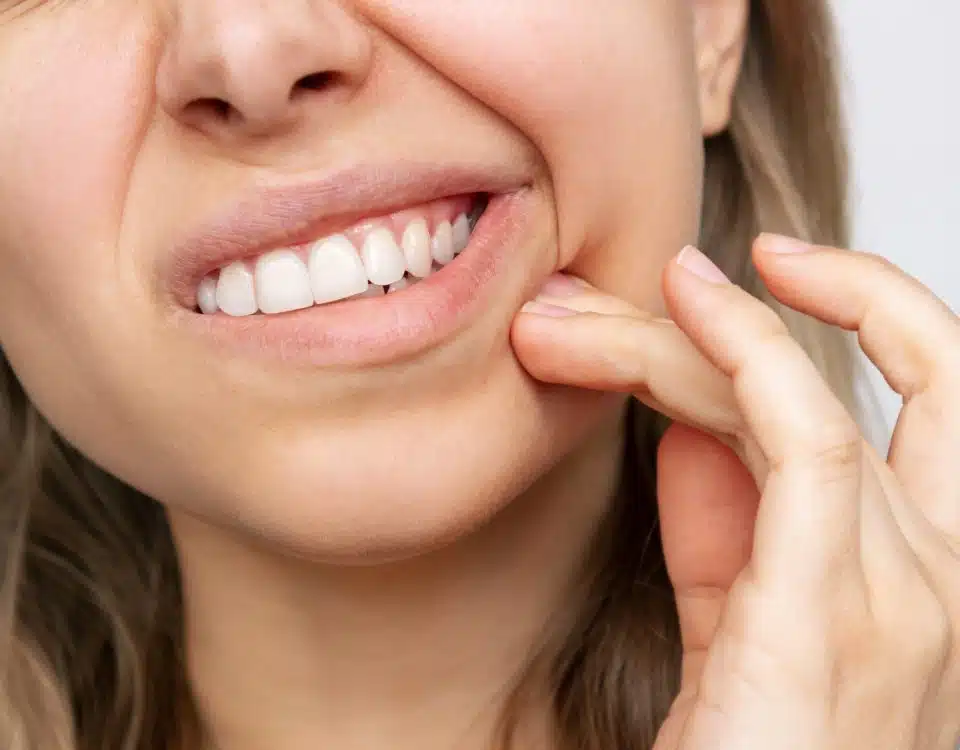
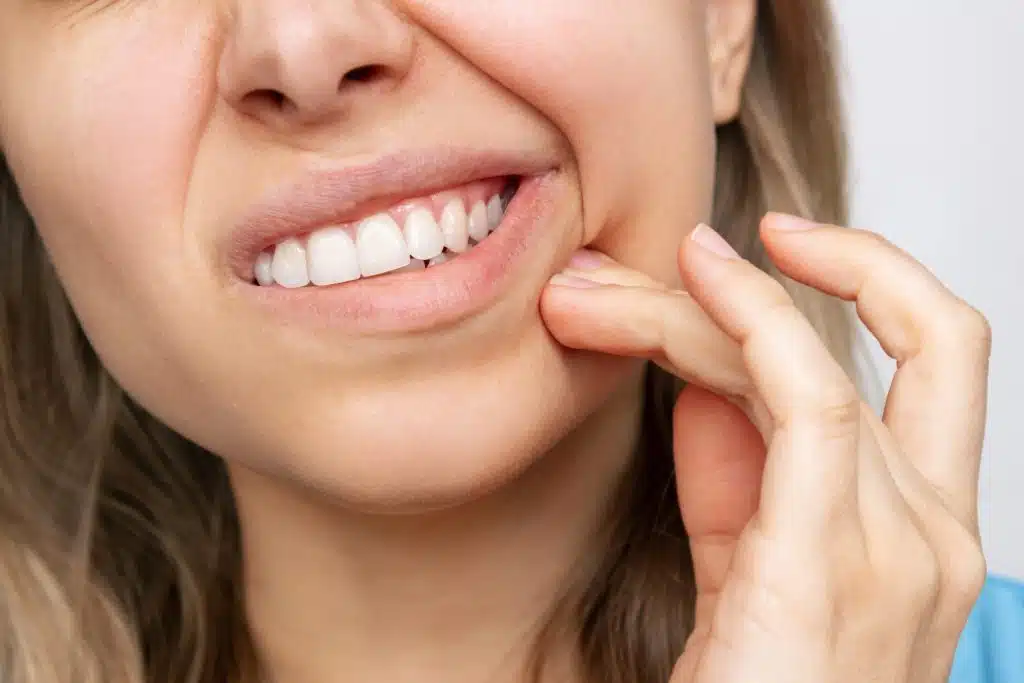
A common dental issue that many patients across the country suffer from is called bruxism, or teeth grinding. Bruxism includes clenching, gnashing or grinding the teeth, typically at night, and can cause jaw pain, headaches and even break teeth. Teeth grinding problems are typically sleep-related but can also occur during the daytime due to stress and anxiety. One way to treat bruxism is by using a nightguard to cover your teeth and protect them from the pressure that occurs when your teeth grind and clench at night. Find out what the symptoms of bruxism are and how you can protect yourself from teeth grinding with this guide!
Teeth Grinding
Millions of people across the country suffer from a sleep disorder called bruxism, or teeth grinding. Teeth grinding most often occurs at night while you sleep, but it can also happen during the day during times of stress, anxiety or boredom. Bruxism is the medical term for teeth grinding but it also includes clenching your teeth or jaw. Teeth grinding develops for a number of reasons, some being anger, anxiety and stress. These strong emotions can cause the body to react in various ways, particularly when resting. A difficult job or career can cause these emotions to arise and eventually cause bruxism. Bite problems and alignment issues are also reasons for teeth grinding and often have to be fixed with dental or orthodontic treatment. Some antidepressant medications and medical conditions like Parkinson’s disease increase your risk for bruxism, so it’s important to consult with your physician if you struggle with either of these issues. While bruxism is more common in children than adults, older patients can experience it especially if they drink, smoke tobacco or consume too much caffeine. Bruxism can have detrimental effects to your teeth and overall oral health when left untreated. For this reason, it’s important to inform your dentist of any changes in your sleep or mouth that could be reasons for concern.
Recognizing Signs of Bruxism
If you are waking up with a sore jaw, tight jaw muscles, tooth sensitivity, or loose/chipped teeth, schedule an appointment with your dentist as soon as you can. These are common signs of bruxism, along with headaches and disturbed sleep. Some people grind their teeth so loudly that it wakes their partner as they sleep while others’ snoring or sleep apnea issues can cause them to start this process. Damage to your teeth, gums and cheeks are some of the major areas that dentists look at to determine whether or not you have bruxism. Teeth grinding eventually wears out your tooth enamel and can cause cavities to develop since the outer protection isn’t there anymore. If you notice that your child’s teeth look worn or if they’re complaining of jaw aches, make sure to schedule a checkup with their dentist to review what is going on in their mouth. Taking the right steps early on can prevent broken teeth, pain and oral health problems that will need extensive treatment to fix.
How To Treat Bruxism
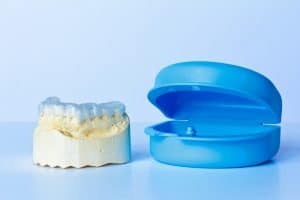
Whether you have bruxism or not, it’s important to stay up-to-date on your dental checkups so that any underlying problems can be addressed early on. You’ll have a deep cleaning and a regular exam during a dental checkup, of course, but your dentist will also check your bite for signs of grinding issues and review your teeth for any damage. Since bruxism is so common, screening for it is a common part of a regular dental checkup. To prevent wear on your teeth, your dentist may recommend a dental splint or mouthguard to keep teeth separated from each other at night when grinding is most prevalent. These are made of acrylic materials that fit over the top and bottom teeth, typically at night, and prevent your symptoms from getting worse. They might not reverse your teeth grinding, but they reduce the pain and discomfort that often accompanies it. When teeth are extremely damaged, you may need a dental crown placed over the surface of your teeth to aid in chewing and eating or the dentist may simply reshape the chewing surfaces of your teeth. Stress management therapies are helpful for patients who develop bruxism from stress or anxiety, and they can teach you relaxation techniques to reduce your stress. Ultimately, your treatment will depend on the factors that are triggering your symptoms and should be overseen by your dentist for best results.
Improve Your Oral Health With Our Help!
If you are experiencing bruxism and would like to begin treatment, call Stonebrook Family Dental at (303) 872-7907 to schedule a consultation. Our staff is experienced with helping patients overcome their dental problems and can help you find enjoyment sleeping and eating again. Bruxism does not need to be something that controls your life; call today to get your oral health back!