The Dangers of Teeth Grinding

The Best Way to Treat a Cavity
June 22, 2021
Be Dental Care Aware: Tips for Maintaining a Healthy Smile
July 8, 2021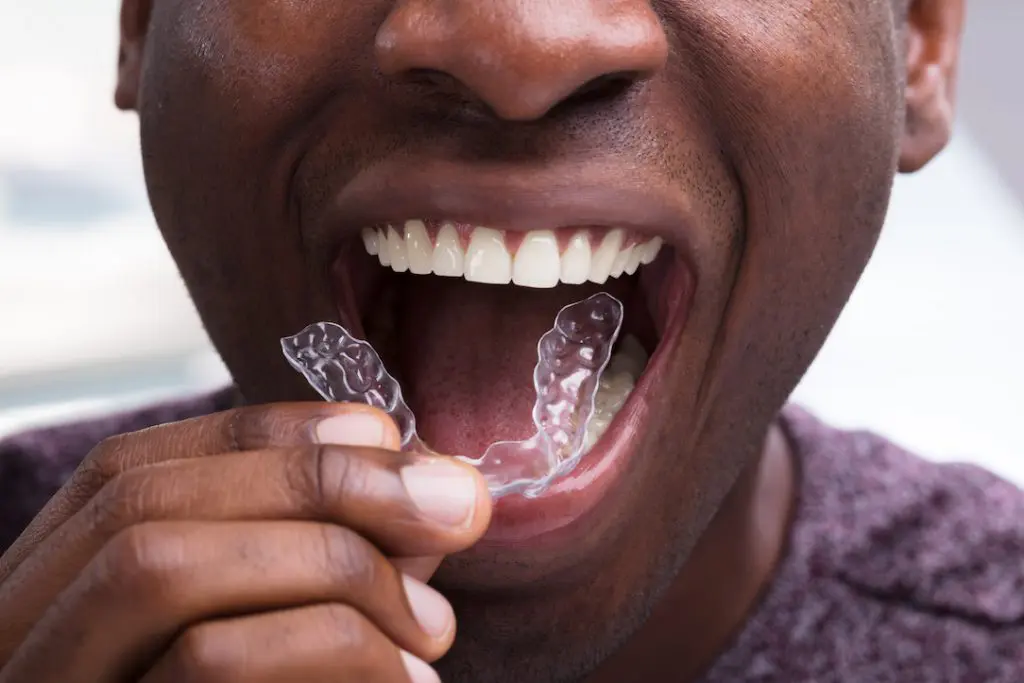
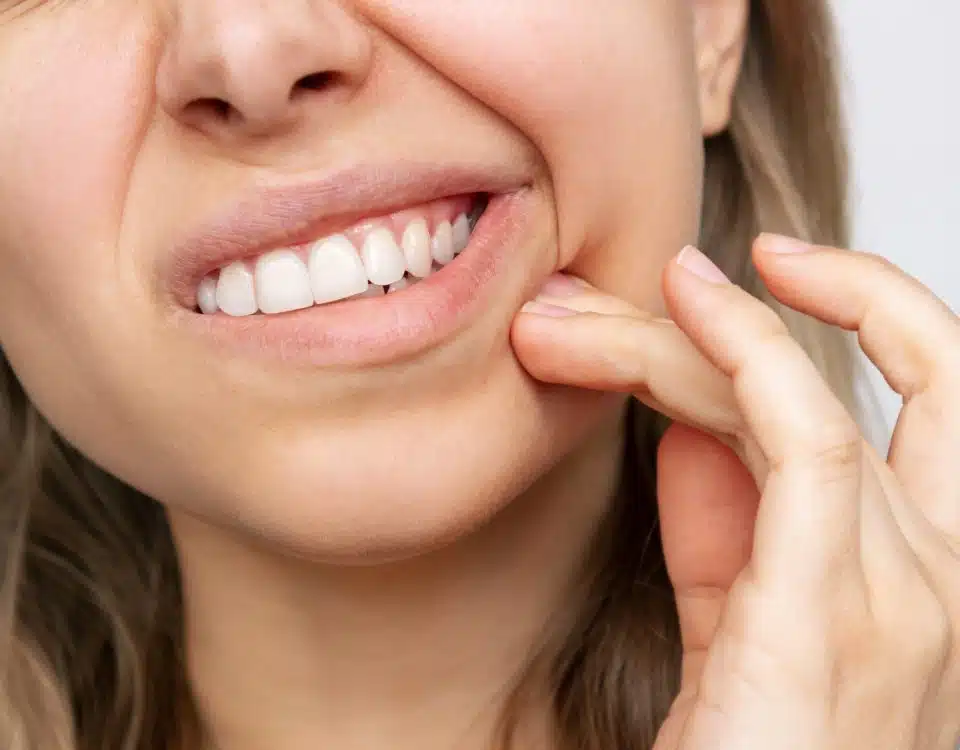
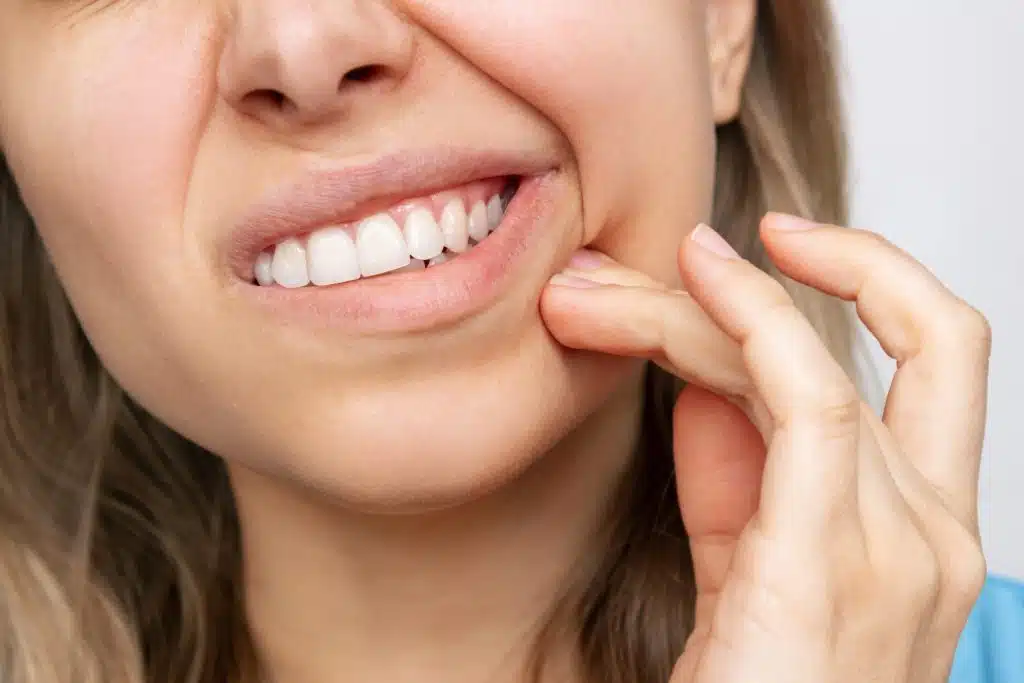
Teeth grinding is a common condition that can occur for different reasons. It can be caused by things like your bite or being overly stressed. Additionally, if left untreated, it can lead to an array of dental health problems. This is why it’s important to be diligent and seek help with the issue.
Not only can teeth grinding at night cause jaw pain when you wake up, it can also be severely damaging your teeth. If you grind your teeth, read on to learn why you should put a stop to it and how Stonebrook Family Dental can help you do that.
What is Teeth Grinding?
Teeth grinding, also known as bruxism, is a dental health problem that includes grinding or clenching your teeth. You can unconsciously clench your teeth while you’re awake, especially when you’re stressed, or you can clench or grind your teeth during sleep.
Teeth grinding in your sleep is also considered a sleep-related movement disorder. People who clench or grind their teeth, Mayo Clinic explains, are more likely to have other sleep disorders, like snoring and sleep apnea. While mild cases of teeth grinding may not require treatment, if it gets more frequent or severe it can lead to jaw disorders, headaches, damaged teeth, and other health issues.
Symptoms of Teeth Grinding
It can be hard to know just how badly you grind your teeth while you’re asleep. However, there are some telltale symptoms that signal you should seek treatment for your bruxism. Common symptoms that you are grinding your teeth at night include:
- Facial pain
- Headaches
- Earache
- Pain and stiffness in the jaw joint and surrounding muscles, which can lead to temporomandibular disorder (TMD)
- Disrupted sleep (for you or your partner)
- Worn-down teeth, which can lead to increased sensitivity and even tooth loss
- Broken teeth or fillings
- Tooth damage in severe cases
Treatments
We’re often asked if you can treat teeth grinding at home, however, the answer to that depends on the severity of your case. For people who notice that they grind or clench their teeth more when they’re stressed, finding ways to reduce stress at home can often help with your symptoms.
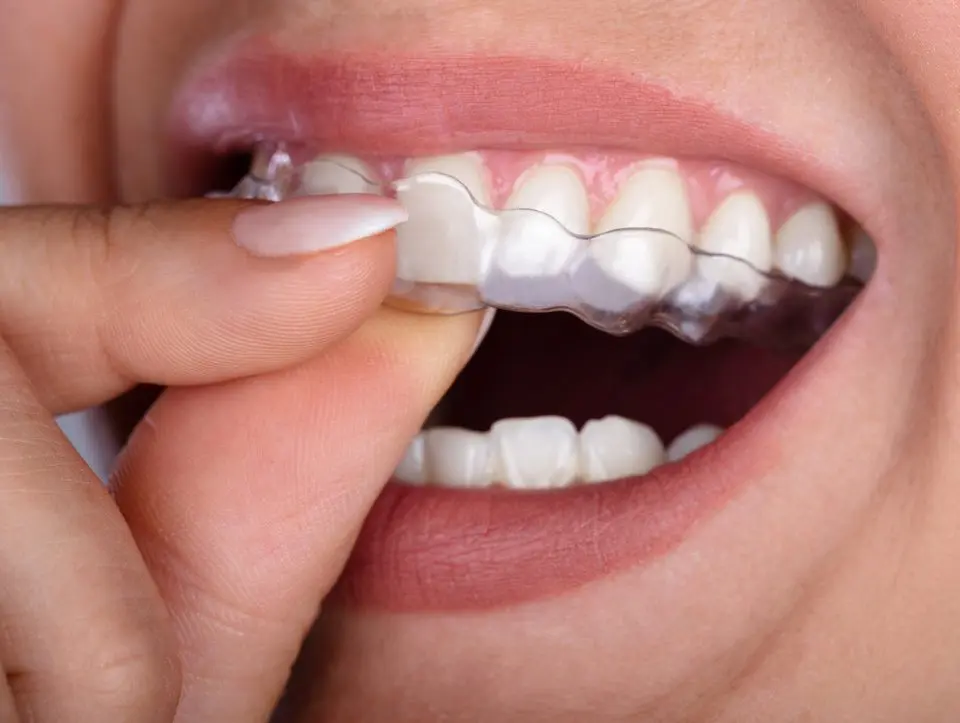
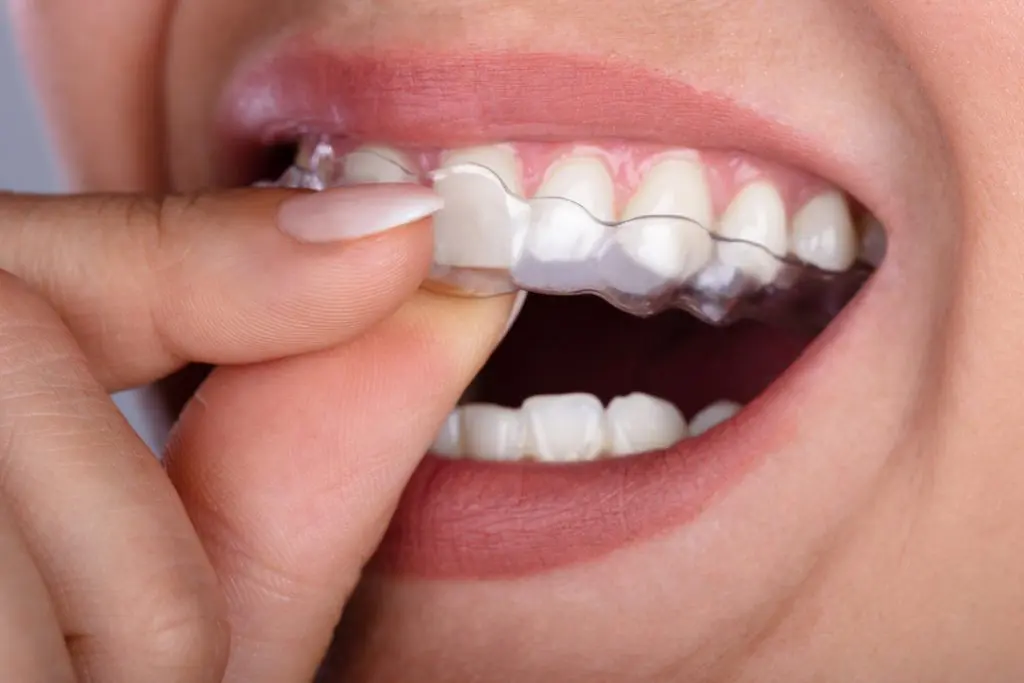
For frequent teeth grinding, we recommend you make an appointment for a custom-fit night guard. While there are many over-the-counter night guards, they often don’t provide you with a correct fit, meaning they won’t do much to protect your teeth. For patients who have bruxism, the following treatments may help:
- Behavior changes. Re-learning how to rest your tongue, teeth, and lips properly can help with clenching. You may learn to rest the tongue upward to relieve discomfort of the jaw while keeping the teeth apart and lips closed.
- Night guard. The most popular and effective treatment option is being fitted for a plastic, custom-fit night guard that you begin wearing at night to help absorb the force of grinding your teeth while you sleep. You can also wear this during the day if you find that you grind your teeth while you’re awake. A night guard can prevent future damage to your smile and help change behaviors too.
- Biofeedback. Another treatment option is the use of biofeedback, which involves an electronic instrument that measures the amount of muscle activity of the mouth and jaw. It will signal you when there is too much muscle activity so you know to take steps to change that behavior. This is helpful for those who grind their teeth a lot during the day.
- Medicine. There are some medications that could be helpful in regulating the neurotransmitters. Changing medicines may be required if an antidepressant is the cause of your bruxism.
Risks of No Treatment
If you show the symptoms we’ve mentioned in this article and don’t seek treatment, that can come with risks. With no treatment, you may begin to notice that you develop problems with your jaw joints and muscles, worsening your TMD issues if you already had the condition. Further, severe teeth grinding can damage your teeth, result in tooth loss, and even change the appearance of your face.
Seek Help with Stonebrook Family Dental
If you grind your teeth, you’re not alone. While this is common, it is treatable. If you are waking up with facial pain or headaches, make an appointment to come see our team at Stonebrook Family Dental today to learn about your options for a custom-fit night guard to help protect your smile. To learn more about your treatment options and what you can do to stop grinding your teeth, call us today at (303)-872-7907.