The Best Way to Treat a Cavity

Boost Your Confidence This Summer with Porcelain Veneers
June 16, 2021
The Dangers of Teeth Grinding
June 30, 2021
Tooth-colored fillings are one of the most popular ways to treat a cavity and restore a tooth’s prior strength following a cavity. Keep reading to learn the common signs and symptoms of cavities, and how fillings can help you get your mouth healthy again — quickly.
What are Cavities?
A cavity is damaged to the hard surface of your teeth. This damage causes permanent tiny holes within the tooth. Cavities are caused by a combination of different factors, like bacteria in your mouth, frequent snacking, sipping sugary drinks, and not practicing good oral hygiene.
Cavities, also known as tooth decay, are at the top of the most common health problems in the world. They’re common amongst adults, however, it’s especially common in children and teenagers. However, even infants and older adults can develop tooth decay as well.
If left untreated, the holes in the teeth can grow larger and deeper within the teeth. This will lead to more dental health issues like severe toothaches, infection, and even tooth loss in severe cases.
Signs of Cavities
The signs of cavities can vary from person to person depending on how developed the decay is and where it’s within the tooth. Mayo Clinic explains that in the very early stages, people often have no symptoms at all, however, as it progresses, people can begin to experience:
- Toothache, spontaneous pain or pain that occurs without any apparent cause.
- Tooth sensitivity.
- Mild to sharp pain when eating or drinking something sweet, hot, or cold.
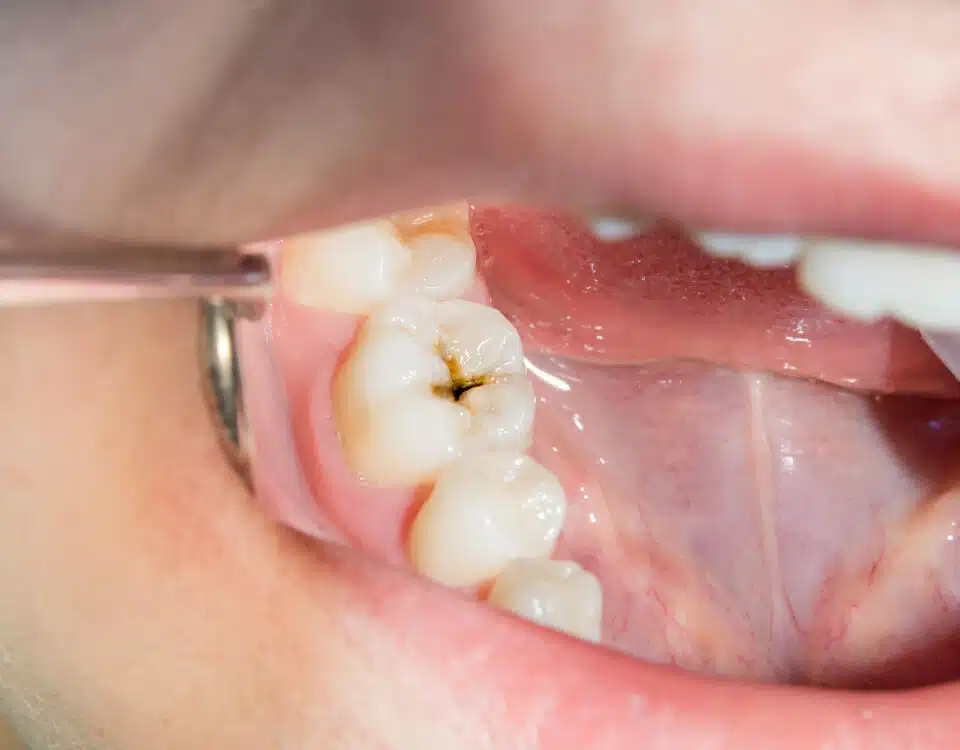
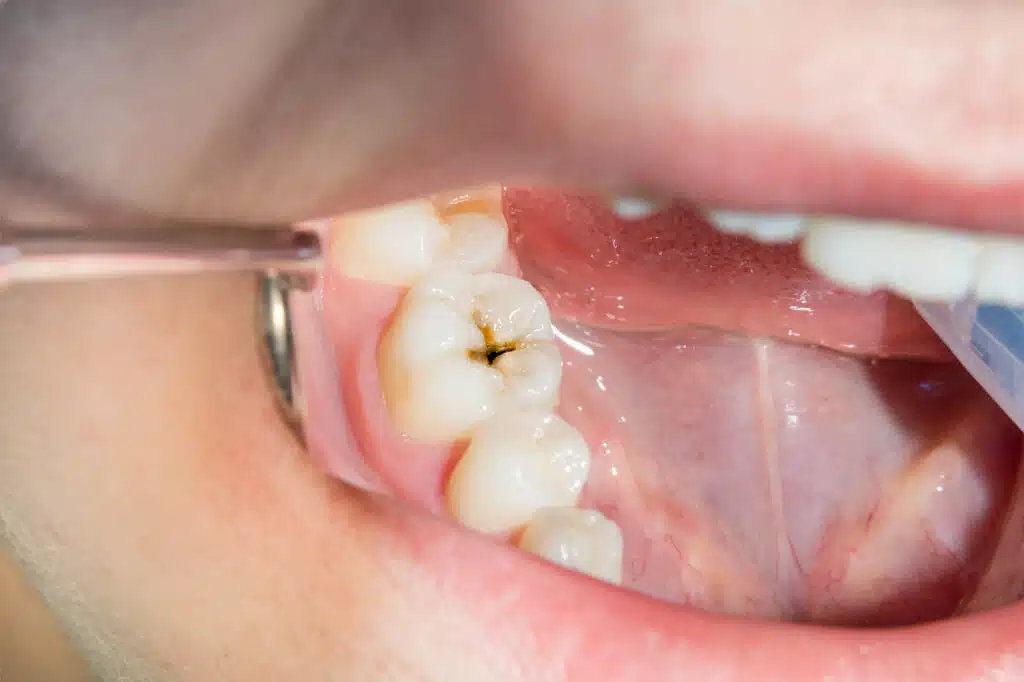
- Visible holes or pits within the teeth.
- Brown, black, or white staining on any surface of a tooth.
- Pain when you bite down.
Treating Cavities
The treatment you’ll need for tooth decay depends on how advanced your condition is. Common treatments for cavities include:
- Fluoride: when caught early on, fluoride treatments can be used to repair tooth enamel that has been damaged by decay. This process is often called remineralization. Further, you may need a prescription toothpaste and mouthwash along with fluoride treatments from the dentist office.
- Fillings: once a hole has developed in the tooth, the dentist will drill out the decayed material and fill the hole with natural-looking fillings.
- Root canal: a root canal is a treatment for pain from root decay. During a root canal, your dentist will remove the pulp that contains nerve endings that are causing you pain from the decay.
- Tooth extraction: if a root canal isn’t possible, your tooth may have to be pulled. After this, you may need a dental implant to replace the extracted permanent tooth. Implants will help keep your teeth from shifting and changing your bite and smile.
Prevention in Adults
While tooth decay is common, the good news is that it’s completely preventable. There are things you can do from the comfort of your own home to prevent cavities from forming. To prevent tooth decay, you should:
- Brush your teeth twice a day for two minutes each time, ideally with a fluoride toothpaste.
- Flossing at least once a day to remove food and bacteria that can get stuck between the teeth — where a toothbrush can’t reach.
- Liming the amount of sweet and acidic food and drinks you consume.
- Seeing your dentist at least twice a year for a thorough exam and deep cleaning.
Prevention in Children
Cavity prevention in children is similar to how adults work to prevent them. However, one common treatment for children is dental sealants. Dental sealants are protective coatings that can help prevent cavities for many years. They are applied to the chewing surfaces of the back teeth and can prevent 80% of cavities in the adolescent. These sealants along with good at-home dental hygiene, cavities can easily be prevented in children.
In babies, a common issue we see is baby bottle tooth decay. This commonly occurs when babies are put to bed with a bottle at night, which results in their teeth having prolonged exposure to sugar. To prevent this in babies, refrain from putting them to bed at night with a bottle or giving them prolonged exposure during the day to bottles with milk or fruit juices.
Make an Appointment with Stonebrook Family Dental
Tooth decay is common, but it is preventable. Whether you have been feeling signs of a cavity or are overdue for a checkup, it’s time to make an appointment with Stonebrook Family Dental today. No matter where you’re at with your dental health, Dr. Kevin Varley and our team are here to make your smile happy and healthy again. Call us now: (303)-872-7907.