4 Foods to Avoid with Dentures

The Toothbrush Guide: What’s the Best Brush for Your Mouth?
January 13, 2022
How Tobacco Can Affect Your Oral Health
January 26, 2022
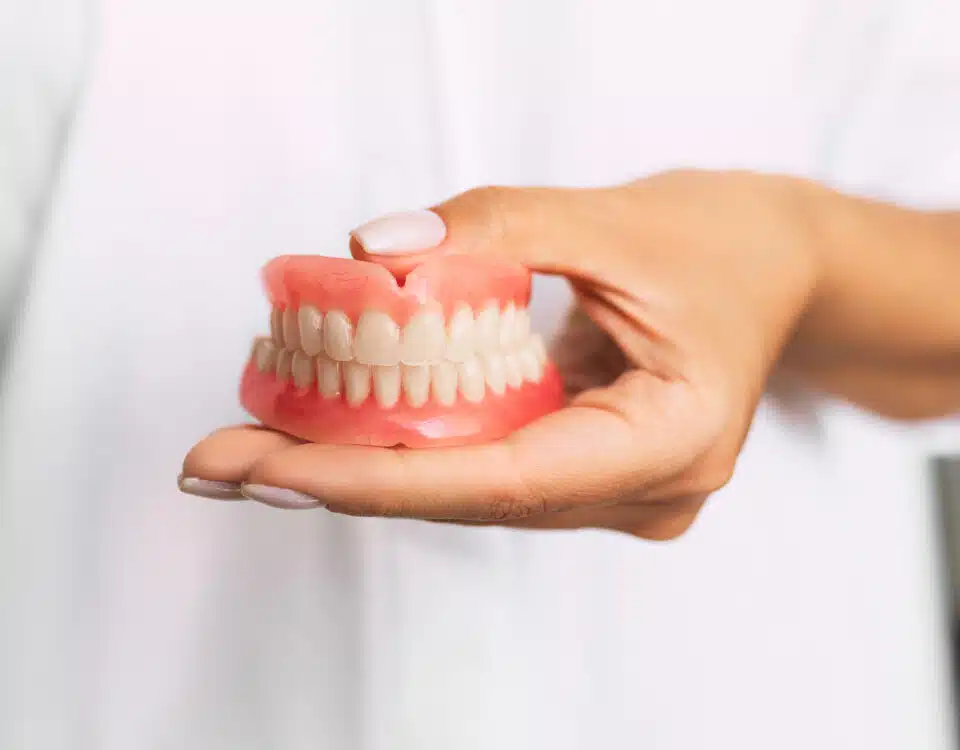
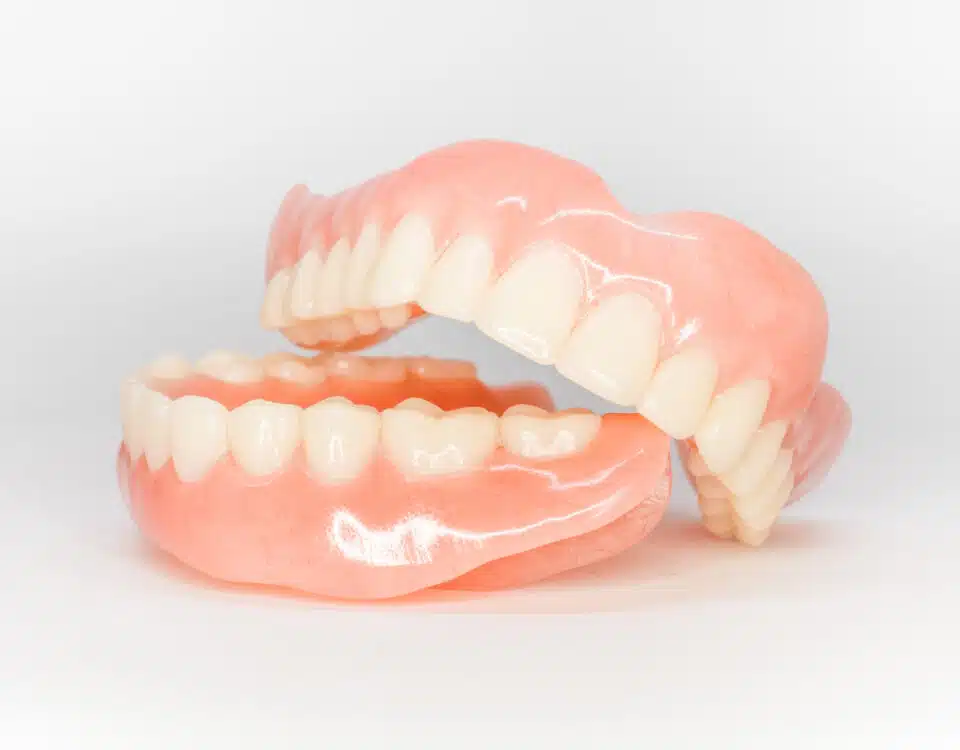
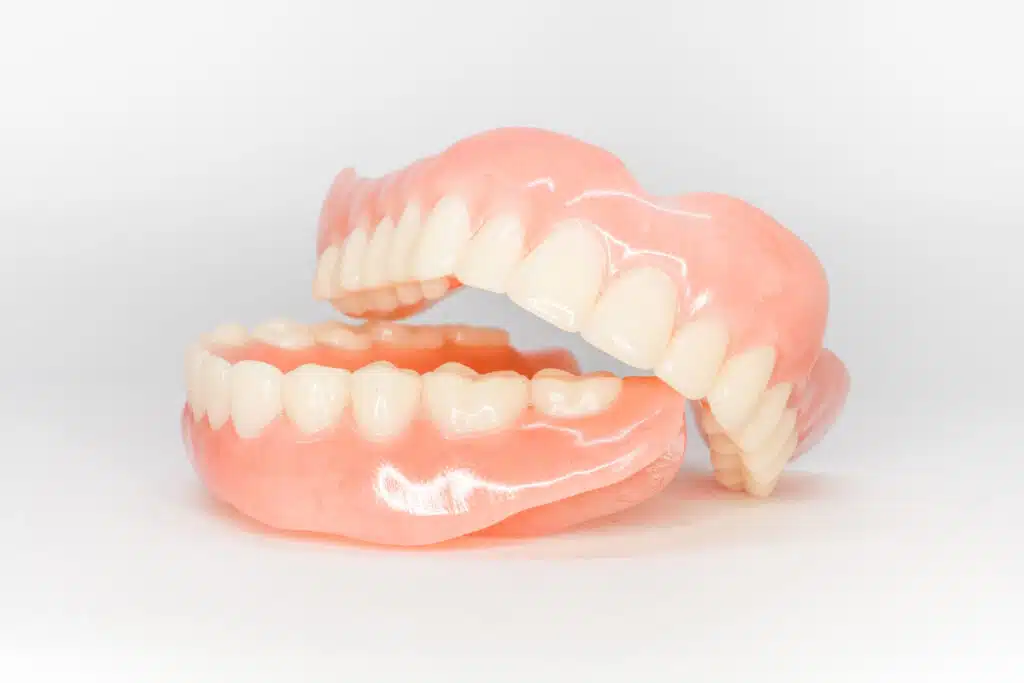
Dentures are a dentist’s way of making sure that you have teeth in your mouth. They can be made from many different materials, but the most common denture material is acrylic. Acrylic options are strong and durable, which makes them perfect for people who have lost their natural teeth to tooth decay or gum disease. However, they do come with some limitations when it comes to food selection.
Certain foods should not be eaten while wearing dentures because they will damage their surface and cause discomfort for the wearer. If you want to know what we recommend you stay away from, keep reading!
What are Dentures?
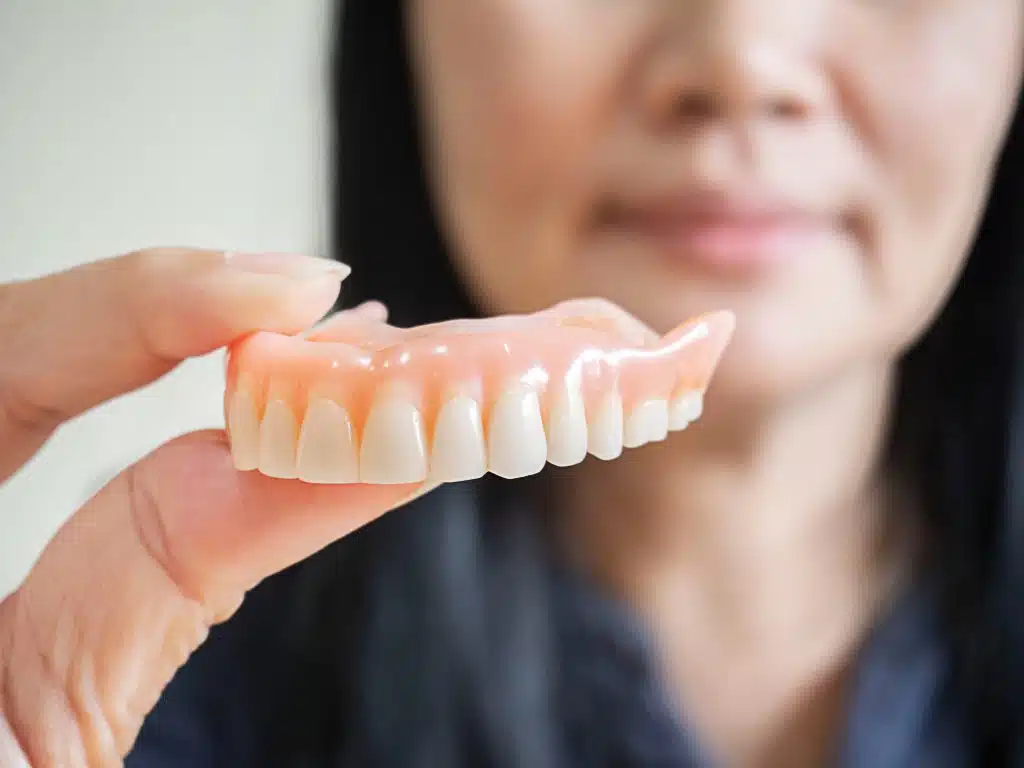
Dentures are removable appliances that can replace missing teeth and give you a full, healthy smile again. If you’ve lost all of your natural teeth, whether from gum disease, tooth decay or injury, it’s important to consider replacing your missing teeth. When you replace your missing teeth, you restore not only your oral health, but your appearance, too. These removable teeth make it easier to eat and speak better than you could without teeth.
Further, when you lose all of your teeth, your facial muscles can sag. This results in making you look older. Dentures can help fill out the appearance of your face and profile. They can be made to closely resemble the natural teeth you once had, so that your appearance does not change much.
Who Needs Dentures?
These replacement teeth can benefit people of any age who are missing some or all of their teeth or have other oral health issues. The best candidates include those who have the following problems:
- Missing all of their teeth
- Missing multiple teeth in various areas of the mouth
- Teeth that are severely decayed or broken
- Bad gum disease that will only get worse if left untreated
What Are the Different Types of Dentures?
There are a variety of replacement teeth options available to meet your unique needs. If you’re looking for dentures, here are some things to know about the common options:
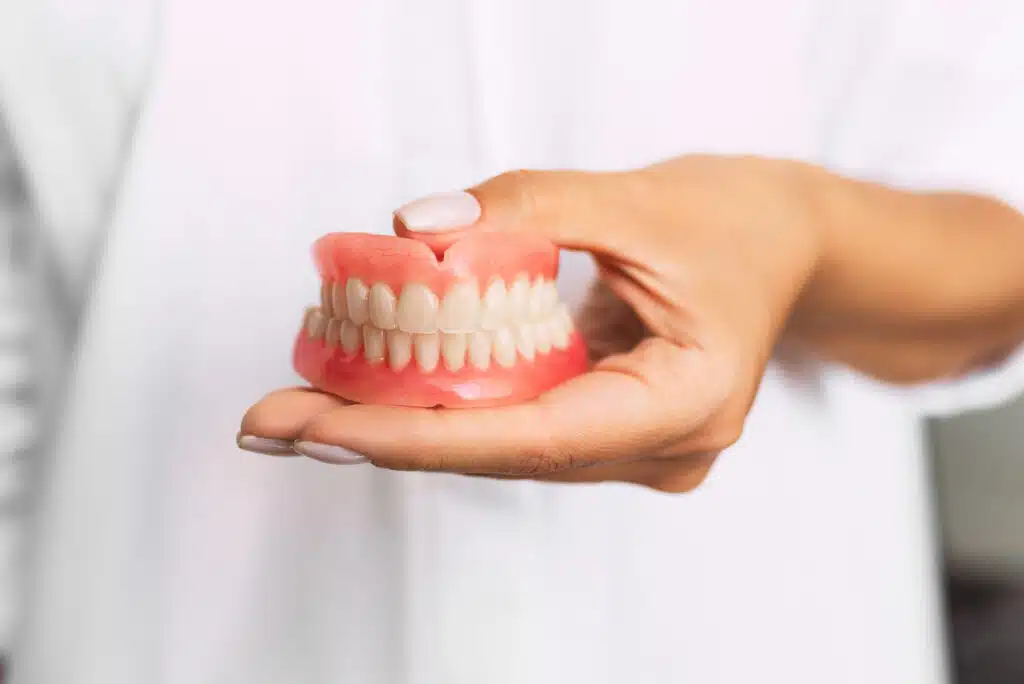
- Complete dentures – these replace all teeth on top or bottom. A complete set can provide a total replacement of your natural teeth. They can be used to replace all teeth on the upper or lower jaw, depending on which ones are missing. If you’re looking for dentures that will give you back full denture functionality, this is probably the best option for you.
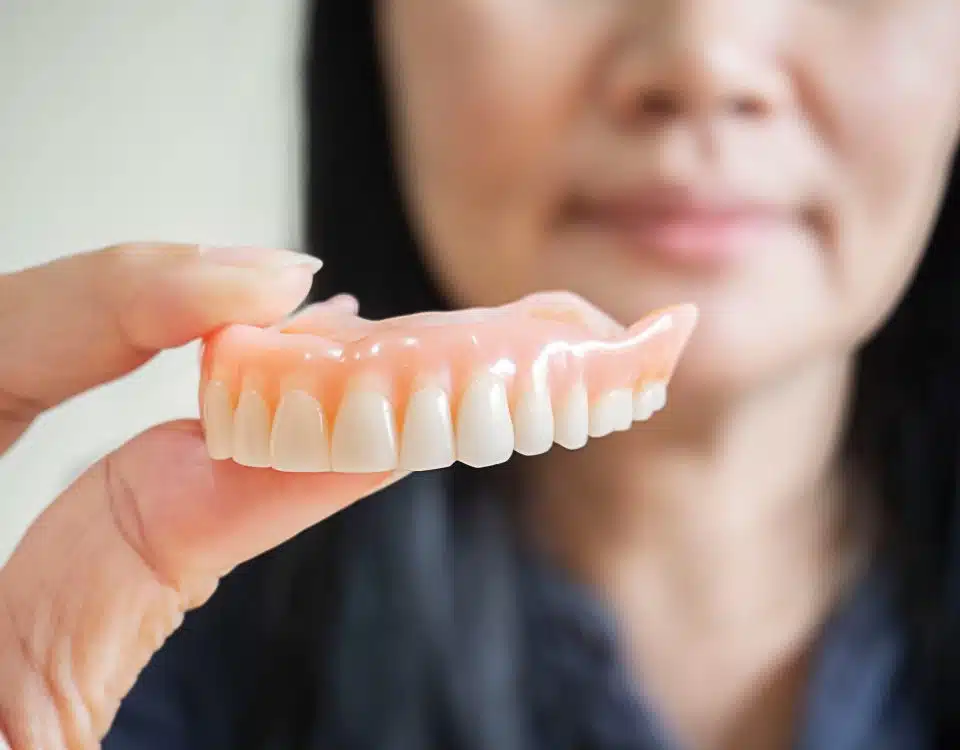
- Partial dentures – if you only need to replace a few teeth, then partial dentures are more than likely the best option for you. They are similar to a complete set, but they are in a smaller section of the mouth. Partials can be used to replace one tooth or group of several teeth.
- Immediate dentures – immediate dentures are custom-fabricated dentures that can be inserted immediately after the teeth are removed. This denture option is often used when someone needs to be fitted for dentures prior to having all their teeth removed.
The normal lifetime of dentures is about 5 to 10 years, but this can vary widely depending on the patient.
4 Foods to Avoid with Dentures
If you’re looking to get dentures, then you need to know what foods not to eat. There are certain foods that you should avoid if you have these type of teeth. Here’s a list of the top 4:
1. Raw Vegetables
Avoid eating raw vegetables such as carrots and celery because the fibers can become tangled in your teeth, creating denture discomfort. Instead, opt for steaming or sautéing your veggies so they’re softer to eat and easier on your teeth.
2. Tough Meat
Steak, ribs and other meats that are very tough should be avoided because these kind of teeth will not be able to break down this food properly. Your new teeth can also get gummed up by hard foods like these.
3. Crunchy Foods
Crunchy foods are another food to avoid. These types of replacement teeth are not made to crunch down on hard foods. Crunching on food will cause your new teeth to wear out quickly and it can be dangerous, especially if you accidentally swallow a piece of hard food. You should instead opt for soft foods that dentures can easily break down.
4. Sticky Foods
Finally, denture wearers should stay away from sticky foods like caramel candy, taffy and gumdrops. These types of food can stick to your teeth and cause problems when you try to eat anything else. This can be dangerous if you swallow your dentures by accident.
Learn More About Dentures with Stonebrook Family Dental:
If you’re interested in dentures or have questions about denture care, make an appointment today with Stonebrook Family Dental. Dr. Kevin Varley will be able to answer any questions that you may have and help get you back on track to a healthy smile.