The Toothbrush Guide: What’s the Best Brush for Your Mouth?

New Year Fillings: Restore Your Smile with Cavity Treatment
January 6, 2022
4 Foods to Avoid with Dentures
January 20, 2022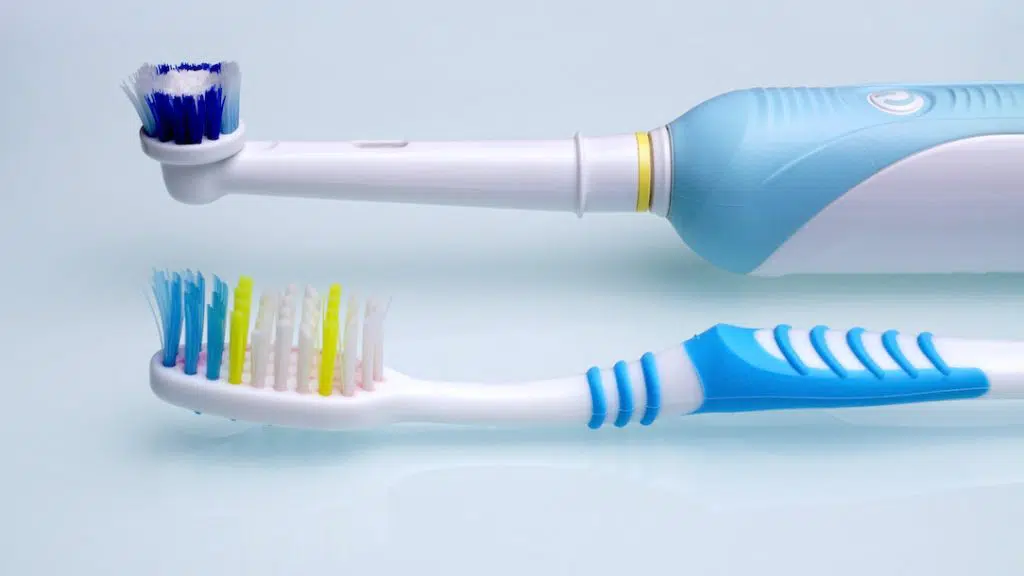
Not every toothbrush is created equal. So, what type of brush do you need? This article will help you find out which option is best for your mouth, your dental health needs, and your smile goals.
The Importance of the Right Toothbrush
Using the correct toothbrush is an integral part of caring for your teeth. A toothbrush with the right type of bristles, length, and head shape can make a real difference in how clean your teeth are after brushing. The best toothbrush for you is one that fits comfortably in your hand, especially the handle. It should also be the correct size and shape to reach all areas of your mouth.
Types of Toothbrushes
The main types of standard toothbrushes are electric, manual (a basic brush), soft-bristled, medium-bristled, and hard-bristled. Within these categories are subcategories of toothbrushes for adults and children. Beyond that, there is a wide array of specialty toothbrushes available such as those with angled bristles or rubber grip handles. It can be quite confusing to figure out what type will best meet your needs, but there are a few simple things to know:
Soft-bristled
You will need a toothbrush with soft bristles if you have sensitive teeth or if you have recently had dental work done because the enamel has been exposed. The last thing you want to do is rub that area of your mouth with a medium-to-hard bristled brush. Toothbrushes with soft bristles are also best for young children because they can be very gentle on sensitive mouths and gums.
Medium-bristled
Medium bristles are indicated for general use. They help remove plaque and food particles that collect between teeth. A medium-bristled toothbrush is best for most adults with normal to moderate dental needs or those with braces who may need assistance in cleaning around the wires.
Hard-bristled
A toothbrush with hard bristles is often not recommended because the bristles are too firm for most people’s dental health needs. A toothbrush with hard bristles can cause bleeding in the gums and the enamel could wear down from over brushing.
Electric
A toothbrush with a small head and vibrating bristles helps remove plaque and debris more quickly than a manual brush. Electric toothbrushes are usually more expensive, but they may be worth the investment if you want to make sure your teeth are clean. Electric brushes are best for patients who have limited dexterity or who are not good at brushing.
Specialized brushes
In addition to the types of toothbrushes mentioned above, there are also specialized brushes. OralB explains those include:
Some specialized types of brush heads include:
- Angled: An angled toothbrush head helps reach the insides of your teeth, especially the insides of your lower and upper front teeth. These areas can be susceptible to tartar buildup because, for some people, they’re harder to reach with a standard toothbrush head.
- Compact vs. full size: A compact brush head is smaller than a full-size and has fewer bristles. Some people, especially those with small mouths, find compact heads easier to use.
- Whitening: Several brush heads are designed to help you whiten your teeth by removing surface stains without damaging your enamel.
How to Properly Brush Your Teeth
Now that you know what type of toothbrush is best for your oral health needs, you can focus on how to properly brush your teeth. Here are some tips for brushing:
- Place the toothbrush at a 45-degree angle with the bristles pointing downward toward your gum line. Gently move the bristles in small circles over all surfaces of each tooth.
- Never forget your tongue. A lot of the gunk you brush off is actually saliva and bacteria, so don’t forget to give your tongue a quick scrub with your toothbrush.
- Do not use too much toothpaste. When applying toothpaste, make sure to use a pea-sized amount of toothpaste on your brush. Go over your teeth in small circles using only the bristles and no more than that!
- Replace your toothbrush every three months or when the bristles look frayed. A worn toothbrush will not do as good a job as a new one.
- After you brush, floss and rinse with mouthwash to complete your oral hygiene routine!
Learn More about Dental Hygiene with Stonebrook Family Dental
All of these toothbrush types can be purchased at most stores, but it is important to remember that the best toothbrush for you is one that meets your needs. If you are unsure about which type of toothbrush is right for you, make an appointment with Dr. Kevin Varley and Stonebrook Family Dental today!