What Toothbrush is Right For You?

National Dental Hygiene Month
October 7, 2020
The Importance of Fluoride in Dentistry
October 22, 2020
The store shelves are packed with all kinds of toothbrushes. From soft bristles to electronic toothbrushes, there’s no shortage of brushes on the market. Here is a guide of the different types of toothbrushes, and which you should be using based on your dental needs.
Choosing Your Toothbrush
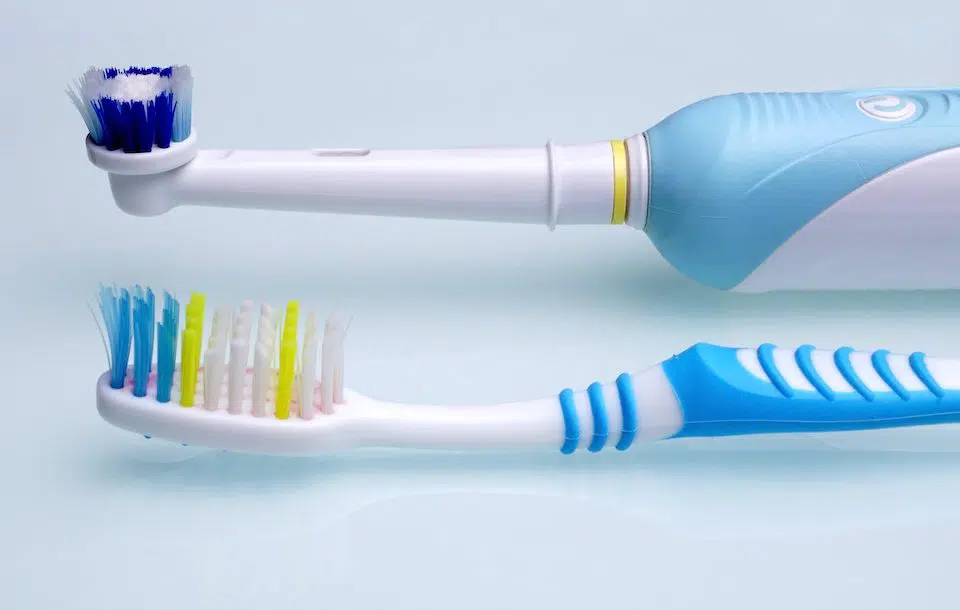
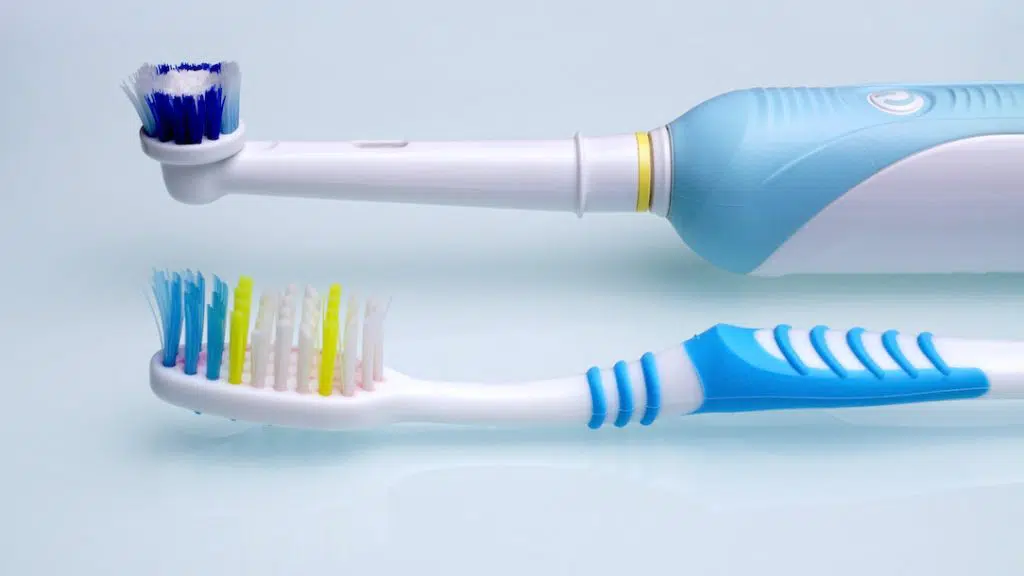
There are many different factors to consider when choosing the equipment you’ll use for your at-home oral healthcare needs. Choosing the right brush is a personal decision, but your dentist can help guide you in what would be best for your specific needs. However, it can be overwhelming when you go to the store and see how many options are sitting on the shelves. Let’s talk through the two main choices: manual and electric.
Manual
A manual toothbrush is the one that you probably first used when you were old enough to begin brushing your teeth. These plastic toothbrushes come in many different shapes, sizes, bristle textures, and more. These toothbrushes are inexpensive and are an easy way to make sure that you are keeping your teeth and gums clean at home.
According to the American Dental Association (ADA), there are toothbrushes that have multi-level bristles or angled bristles to best help you clean your teeth. Although toothbrushes with medium bristles are best for some patients, the ADA suggests that most people will benefit from soft bristles because they are less likely to harm your gums. When you are looking at the shelves, be sure you check the packaging for the ADA Seal of Acceptance.
It is best to talk with our dentist at Stonebrook Family Dental, Dr. Varley, about what manual toothbrush will work the best to keep your own teeth clean and your gums healthy. If you are committed to brushing for two minutes a day and doing it correctly, then manual toothbrushes work just fine. Additionally, this option is far cheaper than their electric counterparts.
Electric
The other type of brush on the market is electric. Electric toothbrushes can be better at cleaning your teeth, as studies have proven that patients who used them consistently had less plaque and gum disease. WebMD also explains that electric toothbrushes can be more fun for children and encourage better dental care from an early age. Additionally, people with braces might find electric toothbrushes help clean between their brackets and wires better than a manual toothbrush. The biggest drawback to the electric option is the cost, which is significantly higher than the manual brushes on the market.
How to Brush Your Teeth
No matter the toothbrush you use, it doesn’t matter if you’re not brushing your teeth properly. Brushing your teeth correctly is one of the best ways to ensure that your teeth and gums are healthy. Although we’ve grown up brushing and flossing our teeth, many times we get into the routine of things and forget about our form. In fact, 1/3 of adults in the United States are under-brushing or over-brushing their teeth. You might not think over-brushing is a bad thing, but it could be destroying your enamel and hurting your gums.
To correctly brush your teeth, follow these steps twice a day:
- Choose the best toothbrush for your teeth
- Hold the brush at a 45 degree angle to the gums
- Gently move the brush back and forth in small, tooth-wide strokes
- Brush the entire area of the teeth, including the backside
Good Oral Hygiene
Every day there is more and more insight into just how our oral health and overall health relate. We know that the health of our teeth and gums can give us a look into how the rest of our body is functioning. Further, poor oral hygiene at home can lead to oral infections, cavities, and gum disease. These issues can then lead to cardiovascular disease, premature birth in pregnant women, diabetes, and even osteoporosis. At Stonebrook Family Dental, we want to help you have a beautiful smile that lasts a lifetime. One of the most important things you can do for your oral health is to visit your dentist every six months.
Routine checkups and deep cleanings at the dentist can help stop problems before they begin, or catch them early on. The cleanings can remove plaque and tartar that can contribute to gum disease, and the exam can help catch signs of decay and infection. Treating any issues as soon as possible can help prevent more costly and painful procedures later on.
Make an Appointment with Dr. Varley
Dr. Varley has many years of dental experience and is very efficient at diagnosing and treating oral diseases and conditions. Whether you have dental issues, just need a cleaning, or want to know what toothbrush is best for you, call us for an appointment today (303)-872-7907.