Family-Friendly Tips for Teaching Kids Good Oral Hygiene Habits

Why Preventive Dental Care is the Best Investment for Your Smile
February 6, 2025
The Importance of Maintaining Healthy Gums: A Guide from Stonebrook Family Dental
February 20, 2025
At Stonebrook Family Dental, we understand that teaching kids the importance of oral hygiene is one of the best things you can do to set them up for a lifetime of healthy smiles. As parents, it’s essential to start early and make dental care a fun, consistent part of their routine. Here are some family-friendly tips to help teach your kids good oral hygiene habits that will last a lifetime.
1. Make Brushing Fun with Creative Tools
Children are more likely to stick to their oral hygiene routine if it feels fun and engaging. Allowing your little one to pick out their own toothbrush, toothpaste, and even a fun cup to rinse with can make a big difference. Many toothbrushes now come in colorful designs, with popular cartoon characters or light-up timers that make brushing enjoyable. You can also let them pick a toothpaste flavor that they love (but make sure it’s fluoride-based for proper dental protection!).
A fun toothbrush and a colorful cup aren’t just about looks—they serve as a reminder that brushing can be an enjoyable part of the day!
2. Lead by Example
Children tend to imitate the behavior of their parents, so if you want your little ones to develop good oral hygiene habits, it’s important to lead by example. Brush your teeth together as a family and make it a fun, shared activity. When children see you brushing and flossing, they will understand that these habits are important and worth practicing.
3. Establish a Routine
Kids thrive on routine, and oral hygiene is no exception. Set up a schedule for brushing twice a day—morning and night—and stick to it. Consistency is key in teaching children how to care for their teeth. You can make it even more engaging by creating a “toothbrush chart” where they can mark off each time they brush. Celebrate milestones, such as a week of consistent brushing or trying flossing for the first time!
4. Use Songs or Timers
Make brushing time more enjoyable by playing their favorite song or using a timer to track how long they need to brush. The American Dental Association recommends brushing for two minutes, and there are even fun apps and timers available that play music to help your child brush for the right amount of time. Turning brushing into a mini-dance party or counting down with a timer can make this necessary task feel like a fun game rather than a chore.
5. Talk About the Importance of Healthy Teeth
It’s never too early to start teaching kids about the importance of healthy teeth and gums. Explain in simple, age-appropriate terms why brushing, flossing, and visiting the dentist are important. You can talk about how brushing removes “sugar bugs” (plaque) that can cause cavities or how healthy teeth help them chew and speak clearly. Positive reinforcement goes a long way in creating a mindset where dental care is seen as something to celebrate rather than avoid.
6. Reward Their Progress
Positive reinforcement can be a great motivator. After your child successfully brushes and flosses without prompting, offer small rewards like extra playtime, a sticker, or a fun family activity. Celebrate their progress, and make sure to praise their efforts rather than just the result. This helps build their confidence and makes them feel proud of taking care of their oral health.
7. Introduce Flossing Early
Once your child’s teeth start to touch, typically around age 2 or 3, it’s important to introduce flossing. While it might take a little practice, teaching them to floss early sets them up for success in the future. Start with floss picks or soft floss designed for children, and help them practice until they get the hang of it. Encourage them by showing how it keeps their teeth extra clean and healthy.
8. Make Dental Visits a Positive Experience
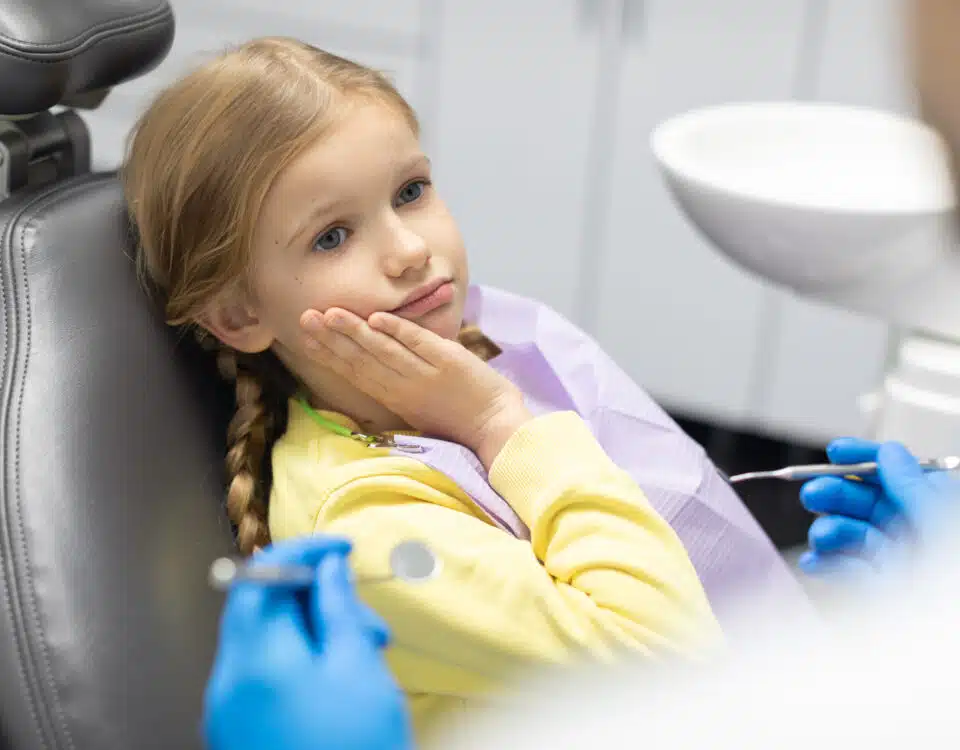
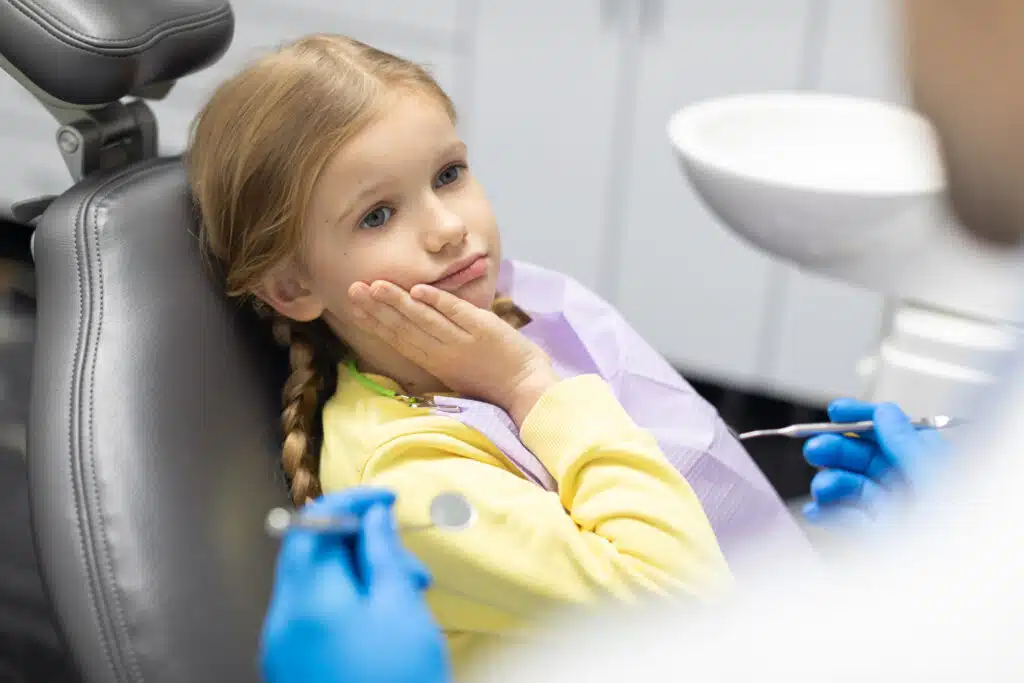
A positive dental experience at an early age can help children feel comfortable and relaxed about their future dental visits. Schedule regular checkups for your little ones, ideally starting by their first birthday. At Stonebrook Family Dental, we create a welcoming, fun environment for children and ensure that their dental visits are stress-free. When kids know that the dentist’s office is a safe, friendly place, they’re less likely to fear it as they grow.
9. Limit Sugary Snacks and Drinks
Limiting sugary snacks and drinks is another important step in teaching kids good oral hygiene habits. Frequent consumption of sugary foods can increase the risk of cavities. Instead, offer healthy snacks like fruits, vegetables, cheese, and yogurt. Encourage them to drink water, which is good for hydration and helps rinse away food particles.
10. Be Patient and Positive
Finally, be patient and stay positive. It might take time for your child to fully embrace their dental routine. Children may get distracted or refuse to brush at times, but it’s important to remain calm and encouraging. Avoid punishment or negative language about teeth and dental care, as this can create anxiety around the process. Instead, focus on making it a rewarding, positive experience.
Building healthy oral hygiene habits in your children starts with making it fun, creating a consistent routine, and leading by example. By teaching them the importance of good dental habits early on, you are helping them maintain a bright, healthy smile for life. At Stonebrook Family Dental, we’re here to support you and your family in every step of your dental care journey. If you have any questions or need to schedule a dental checkup, don’t hesitate to contact us!
Let’s work together to keep those smiles shining bright!