What Parents Should Know About Tooth Decay in Children

Simple Ways to Protect Your Family’s Smiles This Summer
May 18, 2026
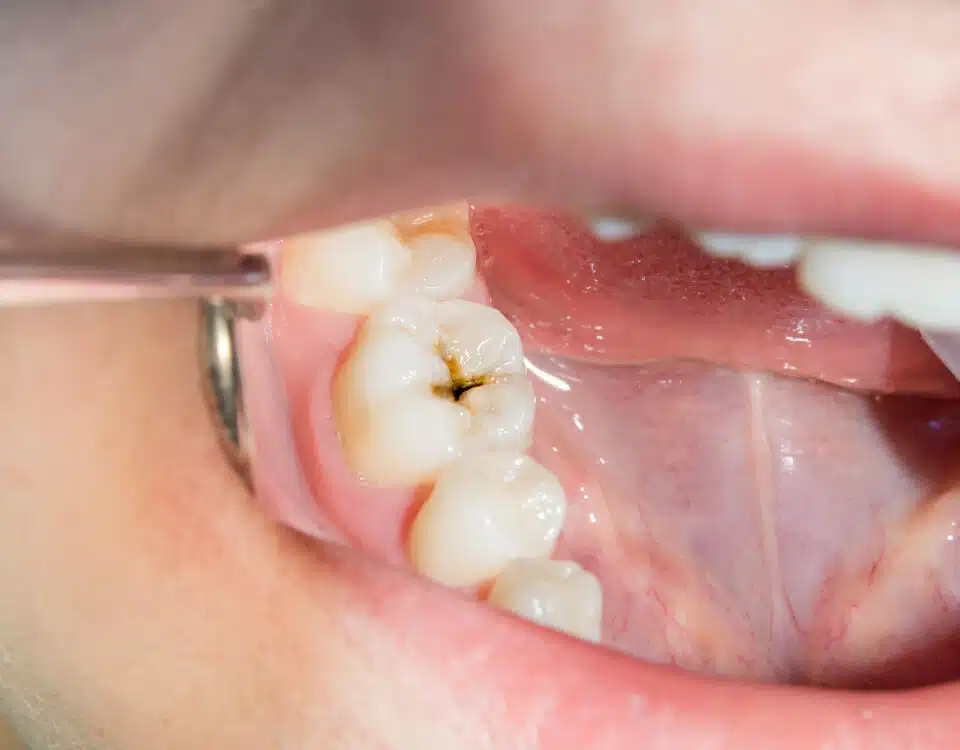
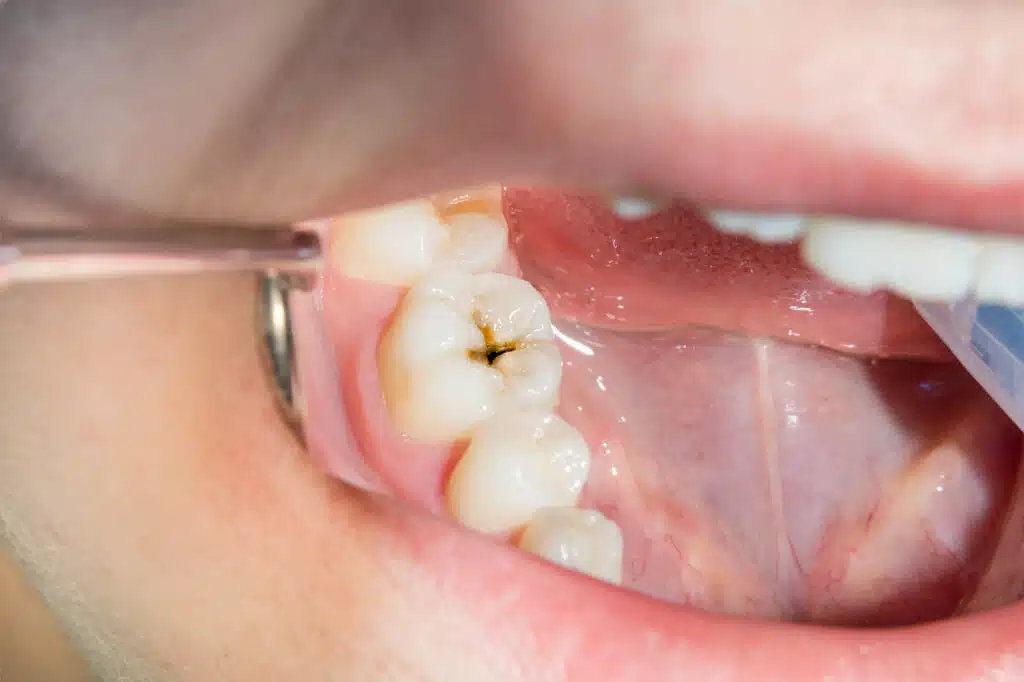
Tooth decay is one of the most common chronic health issues affecting children—but many parents are surprised by how early cavities can develop and how quickly they can progress if left untreated.
Even though baby teeth eventually fall out, they play a critical role in your child’s overall health and development. Healthy primary teeth help children eat comfortably, speak clearly, and guide permanent teeth into proper position.
At Stonebrook Family Dental, we help families understand how tooth decay develops, how to recognize early warning signs, and what parents can do to help protect their children’s smiles.
What Causes Tooth Decay in Children?
Tooth decay develops when bacteria in the mouth feed on sugars and carbohydrates, producing acids that gradually weaken tooth enamel.
Several factors can increase cavity risk in children, including:
- Frequent sugary snacks or drinks
- Inconsistent brushing and flossing
- Going to bed without brushing
- Prolonged exposure to juice or milk
- Poor oral hygiene habits
Over time, these habits can lead to plaque buildup and enamel damage.
Why Baby Teeth Matter
Some parents assume cavities in baby teeth are not a major concern because those teeth will eventually fall out. However, untreated decay can affect much more than just the tooth itself.
Healthy baby teeth help:
- Support proper chewing and nutrition
- Aid speech development
- Maintain space for permanent teeth
- Prevent pain and infection
Protecting baby teeth helps support your child’s long-term oral health and development.
Common Signs of Tooth Decay in Children
Cavities don’t always cause immediate pain, especially in the early stages.
Warning Signs May Include:
- White or dark spots on teeth
- Tooth sensitivity
- Complaints of tooth pain
- Difficulty chewing
- Swollen or irritated gums
- Bad breath that doesn’t improve
Regular dental exams are important because many cavities are easier to detect early before symptoms become severe.
Why Early Treatment Matters
Small cavities can become much larger problems if ignored.
Untreated tooth decay may lead to:
- Increased pain and sensitivity
- Infection or abscesses
- Difficulty eating or sleeping
- Premature tooth loss
- More extensive dental treatment later
Early treatment is often quicker, more comfortable, and less invasive.
Healthy Habits That Help Prevent Cavities
The good news is that many childhood cavities are preventable with healthy daily habits and routine dental care.
Helpful Prevention Tips:
- Brush twice daily with fluoride toothpaste
- Help younger children brush thoroughly
- Floss once a day
- Limit sugary snacks and drinks
- Encourage water throughout the day
Creating consistent routines at home helps children develop healthy habits that last into adulthood.
Be Mindful of Sugary Drinks and Snacks
Frequent exposure to sugary foods and drinks is one of the biggest contributors to childhood tooth decay.
Drinks That May Increase Cavity Risk:
- Juice
- Soda
- Sports drinks
- Sweetened milk beverages
Sticky snacks and constant grazing throughout the day can also increase acid exposure on teeth.
Moderation and good oral hygiene are key.
The Importance of Routine Dental Visits
Preventive dental care plays a major role in protecting children’s oral health.
Routine exams and cleanings help:
- Remove plaque buildup
- Detect cavities early
- Monitor tooth development
- Provide preventive treatments when needed
Professional care helps catch small issues before they become more serious.
Sealants and Fluoride Treatments Can Help
Additional preventive treatments may help reduce cavity risk for children.
Preventive Options May Include:
- Fluoride treatments to strengthen enamel
- Dental sealants to protect molars from decay
Sealants create a protective barrier over the chewing surfaces where cavities commonly develop.
Parents Play an Important Role
Children learn healthy habits by watching and practicing with their parents.
Ways Parents Can Encourage Healthy Smiles:
- Brush together as a family
- Keep dental routines consistent
- Make dental visits positive experiences
- Offer healthier snack choices
Small daily habits can make a major difference in protecting children’s smiles.
Protect Your Child’s Smile Early
Tooth decay in children is common, but it’s also highly preventable with proactive care and healthy routines. Early prevention and treatment help children stay comfortable, confident, and healthy as they grow.
At Stonebrook Family Dental, we’re proud to provide compassionate family dental care designed to help children build healthy smiles that last a lifetime.
Schedule your child’s dental appointment today and take the next step toward protecting their smile.