Tips for Teaching Your Child Good Oral Hygiene Habits

Protecting Your Gums for a Healthier Smile at Stonebrook Family Dental
March 20, 2025
The Importance of Regular Dental Checkups for Your Family
April 3, 2025
Establishing good oral hygiene habits early in life is essential for your child’s long-term dental health. At Stonebrook Family Dental, we understand that teaching kids the importance of brushing and flossing can sometimes be challenging. However, developing healthy habits at a young age sets the foundation for a lifetime of healthy teeth and gums. In this blog, we’ll share tips and strategies for teaching your child good oral hygiene habits that they’ll carry with them into adulthood.
Start Early and Set a Good Example
The earlier you start, the better. As soon as your baby’s first tooth appears, it’s time to begin caring for their dental health. Gently clean your infant’s gums with a soft, damp washcloth to remove bacteria and start the habit of oral care. When your child’s first teeth appear, begin brushing them with a small, soft toothbrush and a tiny amount of fluoride toothpaste (the size of a grain of rice).
As your child gets older, they’ll start to take more responsibility for their own oral hygiene. However, it’s important to lead by example. Children learn by watching their parents, so make brushing and flossing a part of your daily routine. Brushing your own teeth in front of them demonstrates the importance of good oral hygiene and sets the tone for their habits.
Make Brushing Fun
Brushing doesn’t have to be a chore! Making the process fun can help engage your child and motivate them to brush their teeth regularly. Here are some ideas to make brushing more enjoyable:
-
Use a Fun Toothbrush: Let your child pick out a toothbrush with their favorite character or color. Having a brush they enjoy using can make the process more exciting.
-
Play Music or Sing a Song: Create a fun brushing routine by playing a favorite song or singing a tooth-brushing song. Aim for two minutes of brushing time to ensure all areas of the mouth are cleaned.
-
Use Toothpaste with Fun Flavors: Many kids’ toothpastes come in fun flavors, such as bubblegum or fruit. Choose a flavor your child likes to make brushing feel like a treat.
-
Create a Brushing Chart: Make brushing a game by using a reward system, such as a sticker chart. Kids love to track their progress and earn rewards for consistent brushing.
Teach Proper Technique
As your child becomes more independent, it’s important to teach them the correct way to brush and floss. The American Dental Association (ADA) recommends brushing teeth for at least two minutes, twice a day. Here are a few tips to ensure your child is brushing properly:
-
Use the Right Amount of Toothpaste: A pea-sized amount of fluoride toothpaste is the right amount for children over the age of 3. For children under 3, use a rice-sized amount.
-
Brush All Surfaces: Teach your child to brush the front, back, and chewing surfaces of each tooth. Don’t forget the gumline, where plaque tends to build up.
-
Brush in Small Circles: Show your child how to brush in small, gentle circles to avoid damaging the gums. A back-and-forth motion is fine, but the circular method is usually more effective for plaque removal.
-
Flossing is Important: Once your child has two teeth that touch, it’s time to start flossing. Flossing helps remove food particles and plaque between teeth that brushing alone can’t reach. Begin flossing for them, and as they grow older, teach them to floss on their own.
Make Dental Visits a Positive Experience
Regular visits to the dentist are crucial for maintaining good oral health. Schedule your child’s first dental visit by their first birthday, or within six months of the eruption of their first tooth, whichever comes first. Early dental visits help your child become comfortable with the dental office environment and establish a relationship with their dentist.
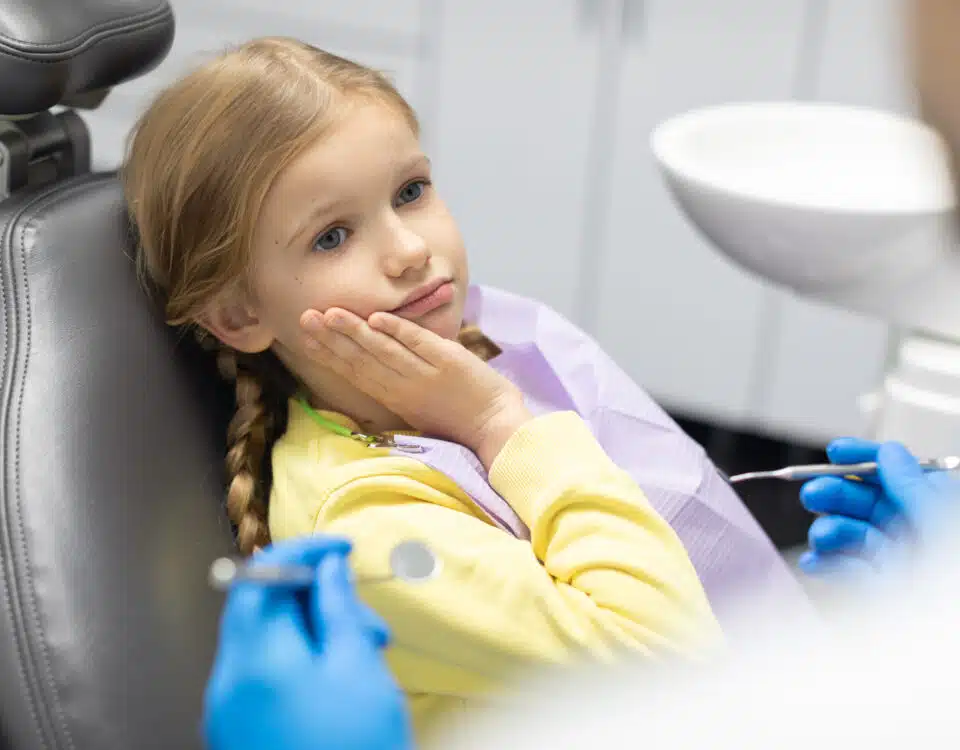
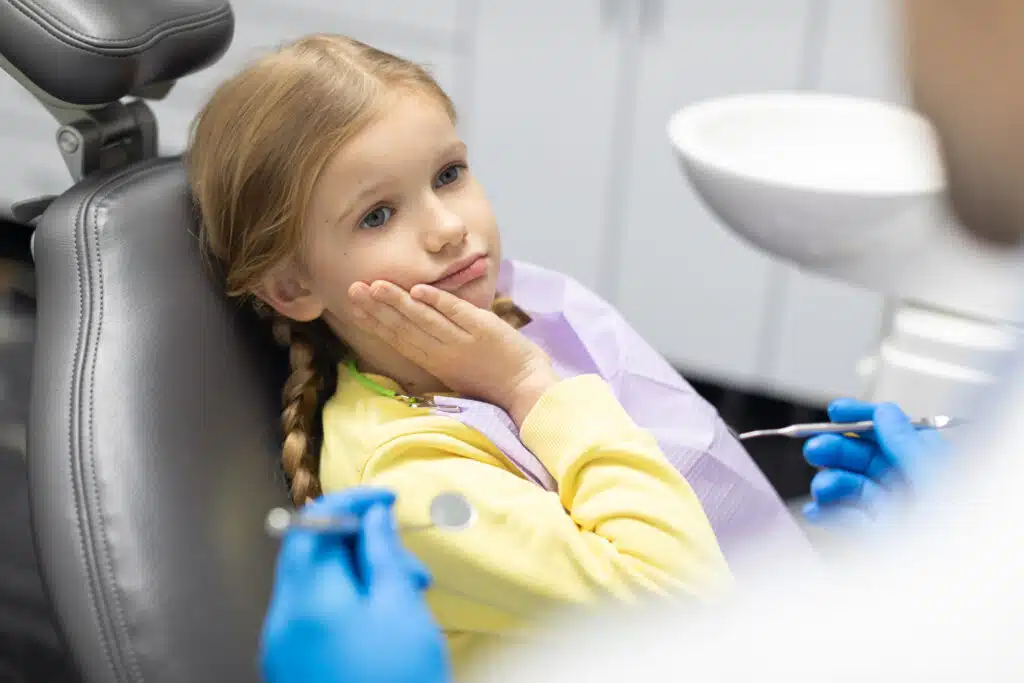
At Stonebrook Family Dental, we strive to make every visit as fun and stress-free as possible. We offer a welcoming, kid-friendly atmosphere that helps children feel comfortable and confident about their dental care. Our team will guide your child through the entire process, making it a positive experience that encourages a lifetime of good oral hygiene habits.
Be Patient and Consistent
It can take time for your child to fully understand the importance of oral hygiene and get into the routine of brushing and flossing. Be patient and consistent, offering praise and encouragement along the way. Establishing a routine is key to ensuring your child sticks to their oral hygiene habits, even when they don’t feel like it.
Monitor Their Diet
Diet plays a significant role in your child’s dental health. Limiting sugary snacks and drinks can help prevent cavities. Encourage your child to eat a well-balanced diet, including plenty of fruits, vegetables, and dairy products. Water is the best drink for their teeth, while sugary beverages like juice or soda should be limited.
Set Up a Routine and Stick to It
Consistency is key when it comes to oral hygiene. Help your child set up a routine for brushing their teeth in the morning and before bed. The more you stick to the routine, the more likely they are to adopt it as part of their daily habits. Be sure to supervise their brushing and flossing until they are old enough to do it properly on their own.
Make an Appointment with Stonebrook Family Dental
Teaching your child good oral hygiene habits is one of the best gifts you can give them. With early intervention, proper technique, and plenty of encouragement, your child can develop a strong foundation for lifelong oral health. At Stonebrook Family Dental, we’re here to support you every step of the way. From routine cleanings to tips on teaching healthy habits, we’re dedicated to keeping your child’s smile bright and healthy. Contact us today to schedule your child’s dental check-up!