
The Effects of Food On Your Teeth
How Strong Are Your Teeth?
May 22, 2018Do You Need Dentures?
June 13, 2018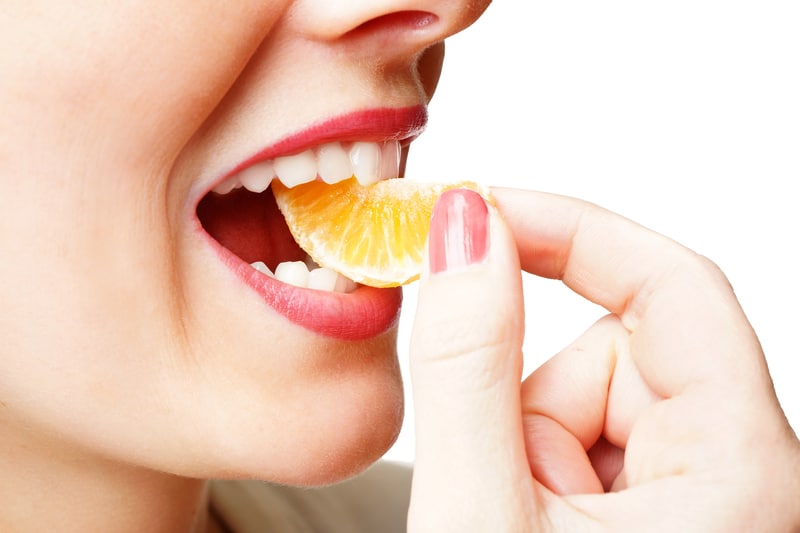
Millions of people get tooth decay without realizing it is happening. Did you know that this is a direct effect of the food or drinks you are consuming? Particles such as sugar react with bacteria in your mouth to form plaque. That plaque causes tooth decay if you don’t follow certain habits every day. Other foods and drinks can either damage or boost your oral health and teeth strength. Find the effects of different foods and drinks on your teeth and gums and what you can do to protect both from damage!
Eating and Forming Plaque
Did you know that you put yourself at risk for tooth decay every single day? You know “tooth decay” by the term of “cavities”, and they can happen without you realizing it. When you eat or drink, sugars from those substances mix with bacteria in the mouth to form plaque. This is a sticky, sugary and acidic substance that sticks to your tooth enamel. Drinking water won’t simply brush it away because it’s so sticky. If you don’t brush and floss your teeth several times a day, the acidic nature of plaque will erode your tooth enamel. If it erodes enough of the hard, outer layer, it will cause a surface cavity. When decay reaches the soft center of a tooth, it can decay the tooth rapidly.
More than 91% of Americans have had at least 1 cavity at some point in their life. Most people get more than one. Studies also show that people consume way too much sugar, soda, carbonated drinks, and candy way more than the recommended limits. Only 65% of people see the dentist, and many don’t brush or floss their teeth enough, or at all. No wonder so many people get tooth decay!

Watch Your Sugar Intake
We mentioned that sugar mixes with mouth bacteria to make plaque. Therefore, you should watch your sugar intake so that doesn’t happen! Here are the daily recommended added-sugar limits per person, each day:
- Adult Males: 9 teaspoons, or 150 calories of sugar
- Adult Females: 6 teaspoons, or 100 calories
- Children: Less than 6 teaspoons of sugar
- Infants: 0 teaspoons/0 grams. Infants should receive as little added sugar as possible outside of naturally-occuring sugars in breast milk, fruits and vegetables.
The majority of Americans are consuming 3 or 4 times their sugar limit without even knowing it. Sugary cereals can put you over the limit just in the first meal of the day! Watch for “secret” sugar foods that pack a lot of the sweet stuff without you realizing it. These include breads, cereals, yogurt, dressings, “diet” or “protein” bars and products, granola bars, beef jerky, nut butters, milk, pretzels and sauces.
Acid and Your Teeth
Many sodas, juices and other beverages contain several candy-bars’ worth of sugar. Most of these drinks are also full of different acids that will erode your tooth enamel. When choosing drinks, avoid ones with carbonic acid and citric acid:
- Carbonic Acid: This is found in any drink with carbonation. That includes, sodas, energy drinks, juices and even sparkling water. Carbonation happens as a chemical reaction for carbonic acid mixing with water. That is what creates the bubbles that gives drinks their tangy bite.
- Citric Acid: This acid is found in citrus drinks and fruits. Those include lemon, lime, oranges, grapefruit, kumquat, pomelo and more. This acid has the same effect as carbonic acid on the teeth.
Both of these acids are so acidic, that you want to wait 20-30 minutes after drinking them to brush your teeth. If not, you can take a small layer of your tooth enamel off. If you are an avid soda, juice or carbonation drinker, make sure you are using fluoride treatments and products on your teeth and that you are extra vigilant with oral hygiene practices. Try drinking through a straw to limit contact with the teeth if you just can’t go without your soda or juice.
Other Substances to Avoid
Other foods and drinks can harm your teeth. Make sure you limit these foods and habits:
- Avoid chewing on ice, as it can break, crack, chip and fracture the teeth. Suck on ice instead.
- Don’t suck on hard candies, suckers and other sugary treats that take a lot of time to dissolve. These give your teeth long-exposure to sugars that lead to tooth decay.
- Coffee packed with sugar (such as from coffee houses) or adding sugar lumps to coffee.
- Sticky foods. Dried fruits, gummies, taffy, caramel and other sticky treats. These stick even harder to the teeth, making them harder to clean and more likely to decay.
- Starchy foods like chips can get stuck in the teeth and can decay them.
- Alcoholic beverages cause dehydration and dry mouth problems, and can limit saliva production over time. This leads to bad breath, and a higher risk for tooth decay and gum disease.
- Foods and drinks with red, blue, purple or other dark dyes. These dull white teeth over time.

Caring for Your Teeth
Many foods have sugar, acids and other substances in them that can harm your teeth. Because of this, you have to be mindful of what you are eating and drinking and how you are taking care of your teeth. Always check food labels to see the ingredients and sugar count. Many foods have low-sugar options you can consume that taste the same.
As you master being mindful of what you are putting in your mouth, try taking proper care of your mouth too. The American Dental Association recommends brushing your teeth at least twice a day and flossing 1-2 times. Switch to water instead of sodas and juices to prevent tooth enamel erosion and decay. Use fluoride products (toothpastes, mouthwash, fluoride treatments) to make your tooth enamel stronger against damaging substances. Lastly, make sure you are visiting the dentist at least twice a year. Haven’t had your dental cleaning or comprehensive exam lately? Call Stonebrook Family Dental at (303) 872-7907!
