
Do You Need Dentures?
The Effects of Food On Your Teeth
June 5, 2018Having Healthy Gums
June 21, 2018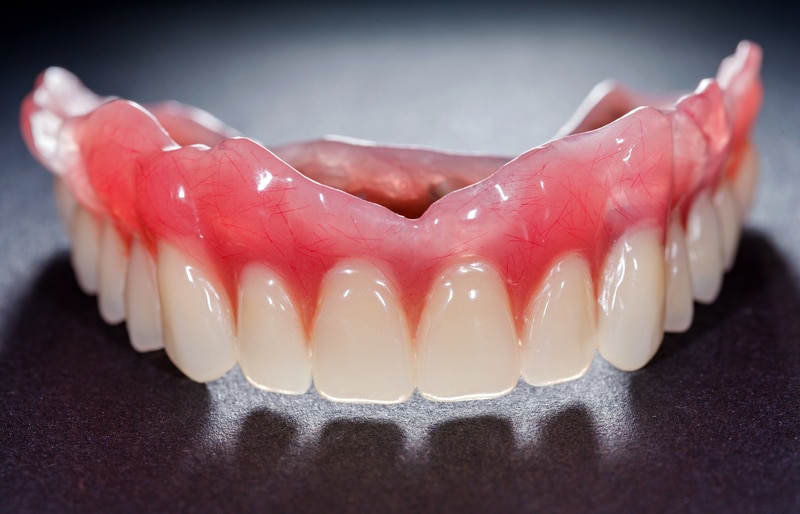
Do you know anyone with missing teeth? More than 120 million people in the United States have lost at least one permanent tooth at some point. However, losing all or almost all of the teeth is more common than you might think. Toothlessness affects more than 35 million Americans, especially those of advanced age. If this is you, don’t live with missing teeth or the problems they bring! Dentures is an amazing option for restoring a smile with many missing teeth. Let us show you the benefits of dentures, how they mold with your mouth and how the process works for getting your dentures!
Missing Teeth?
If you have recently lost a tooth, don’t think you’re the only one. The amount of people in the world that have missing teeth are countless. In the United States alone, the facts are shocking:
- Many studies have found that at least 120 million Americans have lost at least one tooth in their lifetime.
- Lengthier studies show that that number may be as many as 178 million Americans.
- About 1/3rd of those don’t have any teeth left at all.
- A healthy adult mouth should have 32 teeth, or 28 if the wisdom teeth have been removed.
- The National Institute of Dental and Craniofacial Research reports that Americans between 20 and 64 only have 24-25 of their natural teeth left.
- Around 30% of adults over age 65 are missing all of their natural teeth, and tooth loss risk increases with age.
- Coincidentally, about 35% of adults don’t ever visit the dentist, which is very close to the percentage of people missing all of their teeth.
- Tooth decay, gum disease and mouth trauma are the top 3 reasons for missing teeth.
- A missing tooth leads to bone loss in the mouth, which continues to spread the longer a tooth is missing.
- Smokers are three times more likely to lose their teeth than people who don’t smoke.

Dental Implants and Bridges
If you are missing just one or 2 teeth, a dental implant may be your best option for restoring your smile. When a patient loses a tooth, the structural integrity of their entire mouth is affected. Your mouth needs all the teeth in it to keep your teeth straight and supporting one another. One lost tooth will weaken the jaw bone in that area of the mouth. Surrounding teeth can become weaker over time, and bone weakness will spread throughout the mouth. Gums and surrounding teeth don’t have as much support as before and can weaken, eventually falling out as well.
That is why we offer patients the opportunity to receive dental implants. This is a custom-made tooth that takes the place of a natural tooth that was lost. In one appointment, we insert a metal post into the gums. After the area heals, we screw your custom-made tooth on top, securing it into your smile for 10-20 years. A dental implant is when you get one of these teeth. However, you can also opt for a dental bridge—which is a row of dental implants—if you are missing several teeth in a row.
Do You Need Dentures Instead?
For people missing many teeth, dental implants would not be the best option. You don’t want a metal post placed in every part of your gums that should hold a natural tooth. Because many elderly have lost most or all of their teeth, dentures is a better option to restore a smile. This is what dentures does: it provides a custom-made smile for patients that replaces a mouth with missing teeth. Patients have two options for dentures:
- Partial Dentures: These are used when some teeth are missing, but some remain. Partial dentures prevent the remaining, healthy teeth from drifting over time. This appliance is fastened by clasps that anchor the partial to your neighboring teeth.
- Full (Complete) Dentures: These dentures replace the entire set of teeth in the upper and lower jaws. Lower dentures rest on the gums and are secured over the gums and jawbone. Upper dentures are held in place by the suction created between the denture and the roof of your mouth.

Benefits and Process
When you are missing teeth, your ability to bite, chew, eat, and even speak are affected. Your mouth loses structure and bone begins to weaken because of it. Bite pressure can also shift, causing your healthy teeth to shift positions. Following this, you may experience shrinking of both the soft tissues and the supporting bone close to your missing teeth. Dentures keep the underlying structures of your mouth—your gums, jawbone, facial muscles, etc.—engaged and active. Plus, you get to have a beautiful, perfect smile every single day that is easy to maintain and one that won’t break down.
Avoid Tooth Loss
Sometimes, losing teeth simply happens with age. You can take incredible care of your teeth through the years, only to start having them break from decades of wear and tear. However, there are many elderly that still have many of their natural teeth. It all depends on genetics, health conditions and how well you’ve taken care of your teeth throughout the years. Stay ahead of aging and give your oral health the best chance by seeing a dentist several times a year. Dentists are there to help their patients retain their natural teeth for as many years as possible.
Take the few minutes required each day to brush and floss your teeth. Practicing a healthy diet that is low on sugar and acidic foods. These habits coupled with dental visits and fluoride treatments can keep your mouth strong and healthy for years. If you are experiencing tooth loss or have many missing teeth that require dentures, call Stonebrook Family Dental today at (303) 872-7907 for your consultation!
