Having Healthy Gums
Do You Need Dentures?
June 13, 2018The Importance of a Dental Exam and Cleaning
June 29, 2018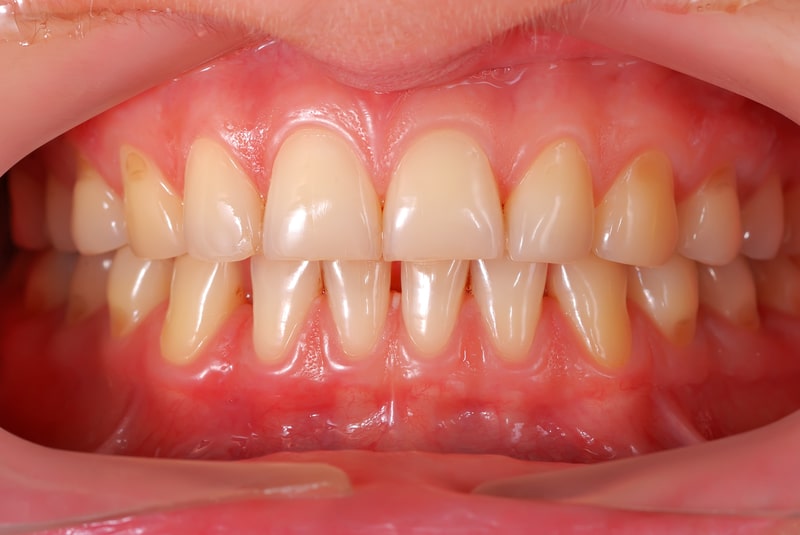
Many people only focus on the health of their teeth when they are brushing and flossing. However, these habits can significantly help the health of your gums. Your teeth and gum health go hand-in-hand in many ways. If you skip taking care of one, the other is seriously affected. Find out ways that you can take better care of your gums and why you should to have healthy gums for life.
Having Healthy Gums
The gums are an integral part of your mouth, as they are the tissues that hold all your teeth in place for life. If you practice great oral hygiene, you can have healthy gums that are pink, firm and hold the teeth tightly in place. If you don’t have healthy gums, your gum tissue will turn darker red that is noticeable. You can experience gum recession, lost teeth and a damaged smile. However, having healthy teeth is as easy as brushing and flossing every day, several times a day and seeing the dentist. If you’re not doing these things enough, your body will start to manifest signs of gingivitis.
Gingivitis
Do you notice your gums turning a bit darker pink than they were before? Bleeding gums or a change in gum color is usually the first sign of gingivitis starting to form. Countless people get gingivitis, so it’s nothing to be worried about. However, it is the body’s way of telling you that there are gum problems down the road if you don’t practice good oral hygiene.
Gingivitis is the first stage of gum disease that is the easiest to reverse. It is the precursor to having full gum disease, and is essentially inflamed gums. When you don’t brush and floss your teeth enough, plaque sits on your teeth. This substance (made of sugars in your food mixed with mouth bacteria) decays your teeth. Plaque is acidic in nature and that acid is how it breaks down your teeth. However, plaque sits along your gum line and also irritates the gums.
If you’re not brushing and flossing enough, your gums will start to become inflamed. They start to change to a darker red, even if it’s just the parts of your gums directly touching your teeth. Eventually, your gums will start to bleed easy when you brush and floss and they may seem swollen. It is possible for gum recession to happen with gingivitis, but that usually comes with a moderate to severe stage of gum disease.

Gum Disease
Gum disease affects more than 64.7 million American adults. However, this disease also affects children, and it’s common for many children to have gingivitis. Dentists will check children and other patients for gingivitis, and even provide them with colored tablets. Those tablets can be chewed and they will stick to plaque that is on the teeth so patients can see where they aren’t brushing and flossing enough.
If you get gingivitis, start brushing and flossing much more and make sure you are seeing your dentist frequently. If not, gingivitis will progress to gum disease, where you will start to notice the gums receding from your teeth. This will expose part of your tooth root, which may look yellow when you smile. The longer gum disease goes untreated, the more your gums will slowly recede. However, they can only recede so far. With severe gum disease, teeth begin to fall out because there isn’t enough gum tissue to hold them in place.
Patients that have gum disease can reverse it in many cases if they work closely with a dentist. Severe cases may be treated, but the condition may not be curable. With severe gum disease, the gums become mushy and weak, so even if the teeth fall out, dentures and dental implants may not be an option for patients. However, gingivitis can be corrected in as little as a few weeks with better oral hygiene and dental visits. Always check your gums for signs of gingivitis and stop it in it’s tracks before it can progress.

Other Problems with the Gums
Gum disease is a fairly painless condition. So, if you have pain, aching or other abnormal symptoms in your gums, call us. If you see discoloration (especially white spots on your gums), call us for more information about what it could be. Many people will experience gum discoloration and bleached areas if they have used whitening products. Sometimes too much gel is used and the gel can get onto your gums, burning them and causing color changes in small areas. Watch for this if you whiten your teeth and only use as much whitening product as is necessary.
Pregnant women also experience changes with their gums because of hormones and an increased blood supply in the body. Their gums may bleed much easier when brushing and flossing, and pregnancy gingivitis is much more common. If you are pregnant, make sure you are brushing and flossing your teeth more, but gently. If you develop small lesions or bumps in your gums, these are common with pregnancy, but they can be removed by the dentist.
Dental Help for Healthy Gums
Do you want to have healthy gums? Brush and floss daily, several times a day, limit your sugar intake and see the dentist at least twice a year! It’s that easy. The way you keep your gums healthy is very similar to how you keep your teeth healthy, as your teeth and gums go hand-in-hand. With any color changes or problems with your gums, call Stonebrook Family Dental at (303) 872-7907 to have a consultation. If you have gum disease or a gum condition, we will do all that we can to help you have healthy gums once more!