Be “Thankful” for Dentistry
The Oral Hygiene Routine You Should Have
November 20, 2018Protect Your Teeth from Holiday Food
December 6, 2018
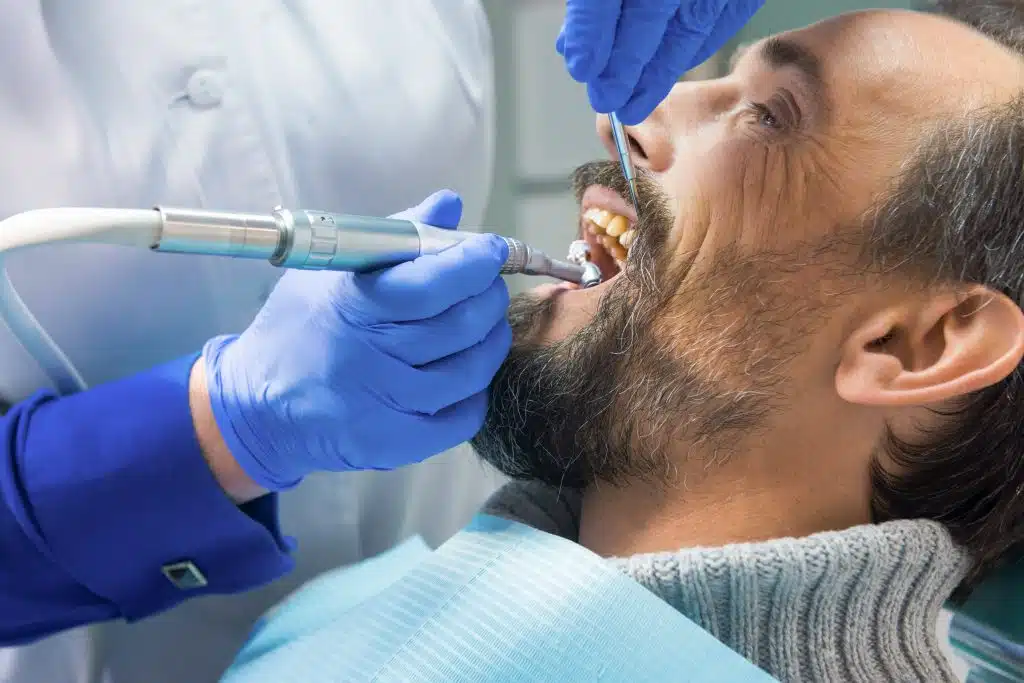
Dentistry has changed significantly over the last few decades, especially compared to the last century. Over the course of many centuries, people simply had to live with cavities and missing teeth. In the early days of dentistry, teeth were removed crudely without anesthetic, among many other crude methods. Now, in this time of giving thanks, find out how dentistry has changed to make your dental experience easy, quick and pain-free!
Early Dentistry
One of the oldest (if not the oldest) medical problems recorded is the presence of tooth decay in the teeth. The Centers for Disease Control and Prevention (CDC) and the National Institutes of Health refer to tooth decay as the most “chronic, prevalent disease” among children and adults. People of the past had the same problems. The American Dental Association reports that there are Sumerian texts (5000 BC) that mentioned “tooth worms” or tooth decay.
There were also “dental” professionals in 2600 B.C., such as Hesy-Re in Egypt. Hippocrates and Aristotle (500-300 B.C.), Celsus (100 BC) and many others wrote about the dental problems of the day and proposed methods to treat them. Crude orthodontic appliances and dental prosthetics have been found with uncovered Egyptian and Etruscan mummies. Even though dental work of some sort has happened for many centuries, most of modern dentistry happened only in the last two.
Before the 1800s, you would receive your dental care—albeit crude—from the hands of a surgeon or a barber. In 1210, the Guild of Barbers was established in Europe. They focused on oral hygiene, tooth extractions and bleeding the teeth and more. There was no formal form of dentistry or professionals who only practiced dental work. For centuries, this guild of barbers and surgeons were the ones who pulled teeth when decay happened and removed diseased parts of the gums. All of their work from decay to fractures and removing dead teeth were done without anesthetic or cleanliness guidelines. It was a time when people actually died from an untreated toothache or oral infection.

Modern Dentistry
In 1723, Pierre Fauchard became known as the “Father of Modern Dentistry”. He was a French surgeon that studied the mouth and wrote the first volume for dental health, anatomy and hygiene, plus dental techniques used then. John Baker was the first “dentist” to emigrate to America from Europe, and with America’s new independence, more people began to study and practice dentistry.
However, it wasn’t until 1840 that the first Baltimore College of Dental Surgery was actually founded as the first professional dental school. From the 1700s through early 1900, crude methods were used for dental work. Some professionals forcefully removed teeth or moved them with forceps to make them straight. Large cavities simply meant that the teeth were pulled out, which was painful without our current anesthetics. Oral hygiene was the best method of treatment and prevention. Major oral problems (such as gum disease) could not be treated like they are today.
Dental drills were operated manually with a foot pedal 200 years ago that mimicked early sewing machines. Anesthetics involved drinking alcohol to numb the pain or to take away the memory of dental work. If you wanted to avoid infections from tooth decay or gum disease causing you illness or death, you had to go through painful dental appointments to remove teeth and diseased areas. With each passing decade, more leaps and bounds were made to develop composite resin, dental crowns, electric dental drills, reclining dental chairs, professional dental offices, tools and much more.

What Has Dentistry Accomplished?
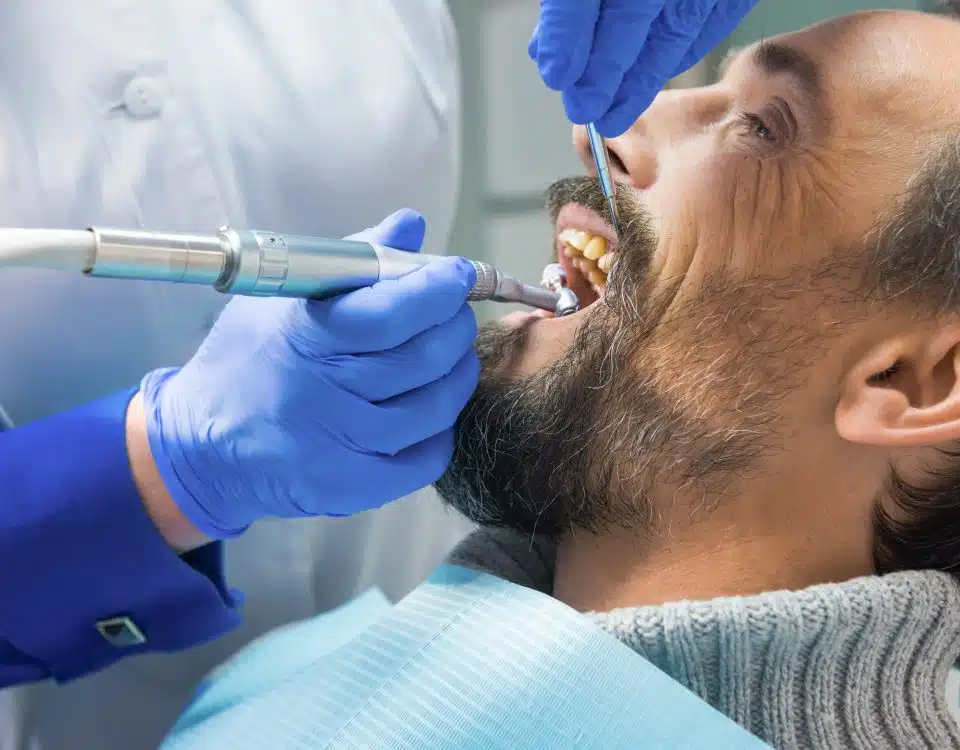
Dentistry has made incredible changes since the introduction of electricity, powered machines, computers and current digital technology. No longer does dental work need to be painful. Various anesthetic options are available to patients. They range from oral medication, numbing gels for teeth and gums, anesthetic shots, IV sedation and more. Modern dentistry uses x-ray imaging to find surface and internal tooth decay while it is small. Using countless tools for very particular dental work, dentists can remove your decay, refill your tooth and make your smile perfect once more in the same short appointment.
Do you have gum disease or gum issues? Dentists can help reverse your receding gums with dental cleanings, gum grafts, removal of abscessed gum pockets and more. Professional dentists can even spot subtle signs of shifting or decayed teeth, orthodontic issues that lead to health problems, and the very earliest signs of gum disease, or gingivitis. They can even spot the signs of oral cancer at its onset, stopping it in its tracks to save your life. Modern dentistry allows people to keep their teeth for a lifetime while keeping those teeth and gums healthy, strong and white. The use of dentistry in modern society has significantly diminished the amount of people that die from tooth infections and oral diseases.
Are You Thankful?
The next time you visit the dentist, try to imagine how it would have been 200 years ago. Would your dental problem be life-threatening? Would you be looking at a very painful dental extraction, without anesthetic and with the possible problem of infection? Your teeth are incredibly important to your overall health. Without them, you couldn’t eat most foods, which could make you malnourished, leading to chronic health problems.
Speech would be affected, as your teeth make up a large part of how you communicate. Your health and appearance would take a nosedive and you might die decades earlier than you otherwise would have. All because of your oral health! As Thanksgiving has just happened, try to remember why you’re thankful for your smile.
The ADA recommends visiting the dentist at least twice a year (every 6 months) to help you avoid oral diseases. Are you following that recommendation? Doing so can help you keep your teeth for life and better health for the years to come. Don’t wait to make your oral health even better. Call Stonebrook Family Dental at (303) 872-7907!