Are You Brushing Your Teeth Correctly?
How Important Is Dental Work?
July 11, 2018Benefits of Cosmetic Dentistry for Your Teeth
July 26, 2018
Many patients brush and floss their teeth each day, not realizing that there are actually specific ways to perform these oral hygiene habits. Brushing should be done a certain way, for a specific amount of time, with the right tools. Even dentists and dental hygienists clean your teeth a specific way to ensure they stay healthy and strong. Find out the proper ways for brushing your teeth at every age and how this can benefit your health!
Brushing and Flossing
Brushing and flossing your teeth are essential oral hygiene habits if you want to avoid oral health problems such as tooth decay and gum disease. Many people may brush their teeth, but they skip flossing, or they don’t do it enough. However, these two habits aren’t complete unless you perform both and you do them correctly. Brushing your teeth may seem like a simple task to complete, but that may also be because it seems so straight forward. However, there is a method to proper brushing.
Brushing your teeth is one of the best ways to avoid oral hygiene diseases, bad breath, tooth stains and more. It is the only way to get rid of acidic plaque on the teeth that cause decay and dental erosion. Drinking water won’t wash away bacteria or plaque, so you must brush. If you do nothing else for your teeth and gums, make sure you are brushing your teeth each day.

How Much Is Enough?
Many studies have been done to see just how much people are brushing their teeth. Consider the statistics found by Yahoo, The Guardian, The New York Post and others:
- The American Dental Association recommends that every person brush their teeth at least twice a day, if not after every meal.
- However, around the world, an average of 49% of men and 57% of women brush only once a day, while 44% of men and 37% of women brush twice a day.
- Men are more likely to skip brushing than women are. They are more likely to not brush more than once a day, while women are more likely to do the recommended twice-a-day brushing.
- Millenials are the adult group that struggles the most with brushing their teeth: only about 3 in 10 brush their teeth at least once a day. Many go 2 or more days at a time without brushing.
- 6 in 10 adults don’t visit the dentist, or don’t visit the dentist enough for professional cleanings.
With all these statistics, it’s no surprise that tooth decay and gum disease are some of the most chronic, prevalent diseases there are, according to the Centers for Disease Control and Prevention.
Proper Brushing Technique
You can do more harm than good if you brush your teeth too hard, which damages gum tissue and leads to tooth erosion. For proper brushing, use these recommendations:
- Choose a soft-bristled toothbrush that fits the size of your mouth and feels comfortable. Hard bristles or an incorrect size will either harm the teeth or not clean them as effectively.
- Use ADA-approved toothpaste when you brush, preferably wetting the brush either before or after applying toothpaste. Also look for toothpaste that contains fluoride.
- Instead of only side-to-side motions, make sure to angle the toothbrush at a 45-degree angle, going in circular motions. Get all surfaces of each tooth when you brush.
- Replace your brush every 3 months, or sooner if the bristles become frayed. Old toothbrushes clean poorly or are full of harmful bacteria that leads to decay quicker.
- Brush your teeth for at least 2 minutes, every time you brush.
- Make sure you brush your teeth at least twice a day, but especially at night before bed, as you don’t want mouth bacteria decaying your teeth all night. Brush after every meal to reduce your risk for tooth decay even more.
- Make sure to always follow your brushing with proper flossing, or your teeth will still be susceptible to decay.

Differences at the Dental Office
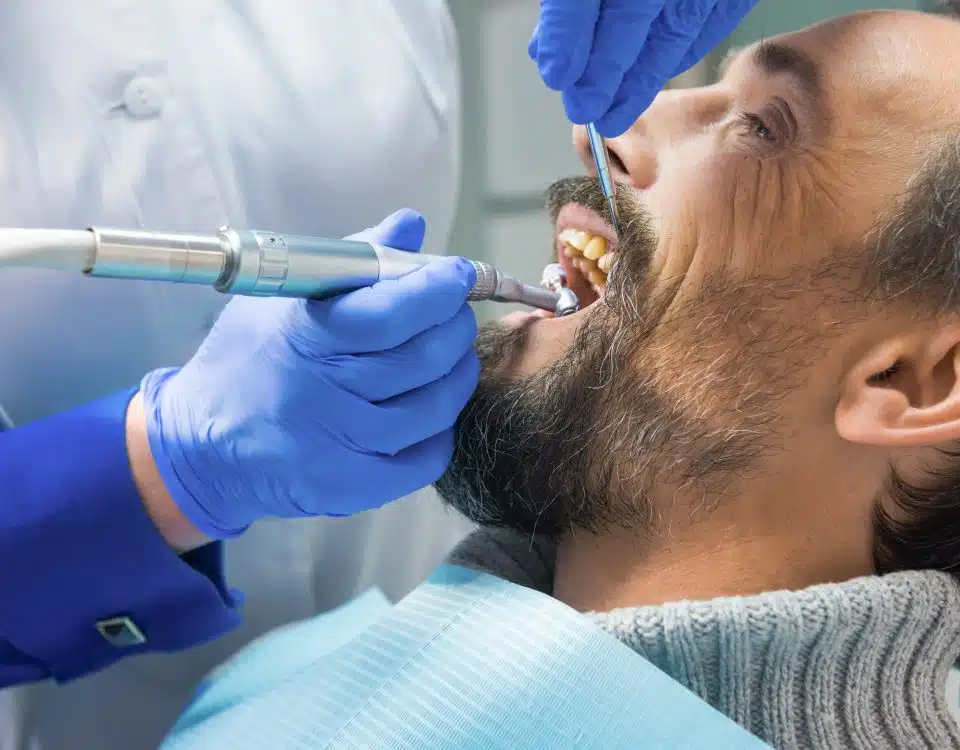
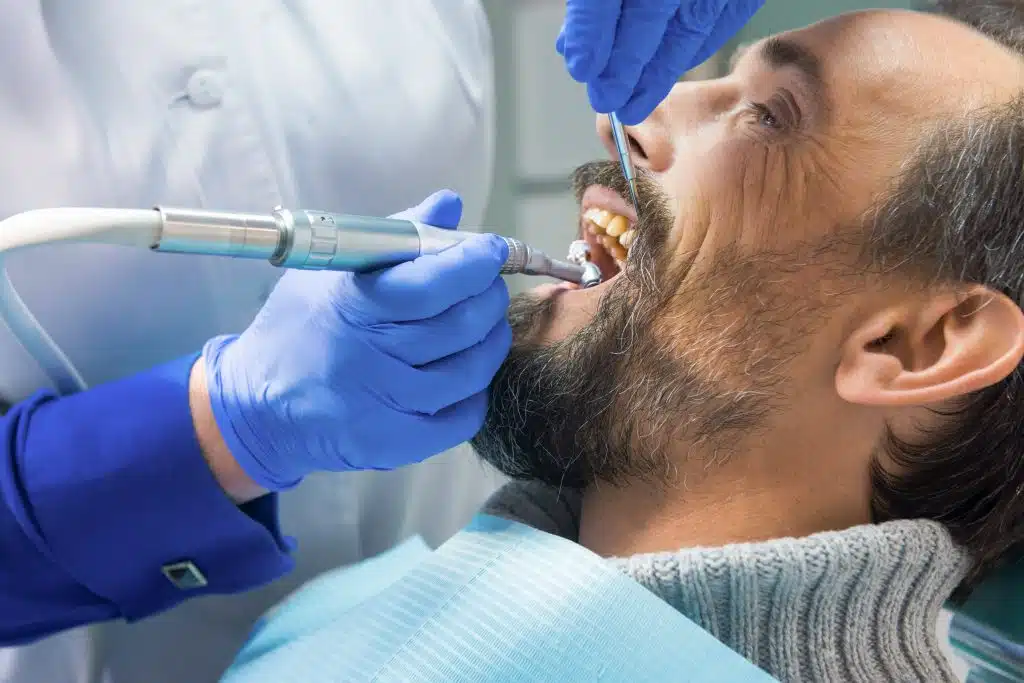
The American Dental Association recommends that every patient visit the dentist at least twice a year (so every 6 months) for dental cleanings and exams. At this dental cleaning, a dental hygienist will scape all of your teeth with dental probing tools. These will look like small silver tools with hooks at the ends. Plaque likes to collect along the bottom of the teeth, where the gum line is.
This is the hardest place to clean besides the molars and an area that may still have plaque caked even if you brush your teeth every day. Stuck-on plaque is called “tartar”. Probing tools are sharp enough to get the stuck-on, hardened plaque off without hurting your teeth and gums. A hygienist will brush your teeth with polishing tools that buff and shine your teeth. This cleaning is followed by thorough flossing between each tooth several times.
Most patients don’t take this kind of time to clean their teeth each day, and it wouldn’t be realistic. However, a deep cleaning by professionals is needed every 6 months to find tooth decay and oral hygiene problems and to give the teeth a clean slate. If you are due for your dental cleaning or want to learn proper brushing or flossing technique, call Stonebrook Family Dental today at (303) 872-7907!