Can a Root Canal Save Your Tooth?

A Timeline of How Your Child’s Mouth Develops
August 20, 2020
What Your Bleeding Gums Are Trying to Tell You
September 3, 2020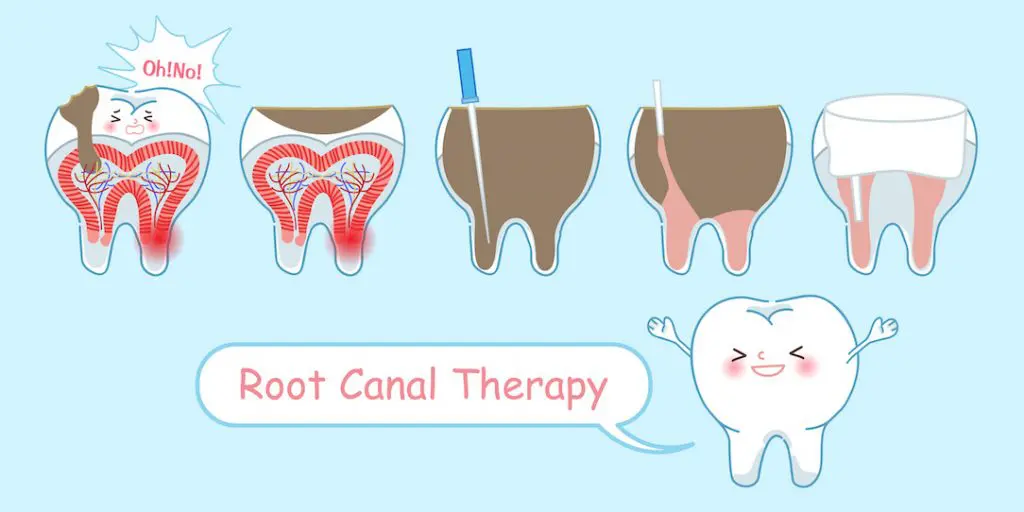
A root canal is a procedure that can prevent you from needing a tooth pulled when infection and decay are present. When infection has compromised the integrity of the tooth pulp, a root canal can be used to remove damaged tissue that is causing you pain.
Our teeth are meant to last us forever, and root canal therapy can help you avoid needing a tooth pulled. When teeth become diseased or injured, root canals can save them from having to be pulled entirely. This therapy is most commonly needed when an untreated cavity deteriorates your tooth’s pulp. However, it also occasionally might be needed when deep restorations or trauma to a tooth cause nerve damage.
Once the pulp becomes infected, it can begin to eat away at the surrounding bone. This is what is known as a tooth abscess. The pulp found in each tooth contains many blood vessels and nerves, so when it gets infected, you can experience extreme discomfort that cannot heal on its own. Ignoring the pain from a tooth infection, or taking pain relievers to cover the pain, will not help resolve your condition. If not treated, the tissues around the root of the tooth can become infected. If left to spread, this bacteria can destroy the bone that holds the jaw. At this point, you will most likely need the affected tooth removed from your mouth.
What is a Root Canal?
A root canal is the actual passage within the tooth between the pulp and the tooth roots that contain nerves and blood vessels. When an adult tooth has emerged from the gums, the tooth’s nerve doesn’t have a specific purpose other than noticing when something is hot or cold. When the pulp of the tooth becomes infected, it is necessary to eliminate the infection and the pain caused from it. This thorough cleaning of the inside of the tooth and subsequent sealing is also a root canal (or root canal therapy). This is what cleans out the infection and disinfects the canals of the tooth.
Once the cleaning is done, the canal is filled in to prevent further infection. This means your tooth has been saved, but since it will no longer have pulp, nerves, or blood vessels it’s not a living tooth.
Signs a Root Canal is Needed
When a patient needs a root canal, it means that they need to have an infected tooth cleaned to become free of decay. Symptoms that show the pulp has become infected can include:
- Sensitivity to hot/cold or sweets
- Pain and swelling
- Inability to bite or apply pressure
- Bad taste in the mouth
In some cases, however, no symptoms are present. If this is the case for you, you may know of any problem until a checkup.
Coming in for your six month checkups is important because it is these cleanings and exams that prevent the small problems from becoming big ones. Further, these signs of pain could be the cause of an issue that doesn’t involve a root canal, but you won’t know until you get to the dentist. If you have pain, it means something is not right.
Concerns Afterwards
Having a root canal means that your tooth has been saved. However, it is no longer a living tooth since the pulp, nerves, and blood vessels have been removed. A dead tooth is more susceptible to breakage and is much weaker than a healthy, natural tooth. To protect your tooth from these new complications, Dr. Varley will restore the tooth with a tooth-colored crown to guard it from injury or infection.
Most patients that have a root canal therapy can immediately feel relief from the pain caused by infection. Before your procedure, Dr. Varley will use an anesthetic to help with the pain. Afterwards, as the anesthetic wears off, you could experience mild pain and sensitivity from the cleaning. Healthline explains that, while uncomfortable, any pain and sensitivity should only last a few days and should be fairly mild. If you experience pain, over-the-counter pain medications like Tylenol or Ibuprofen can help.
What is a Crown?
A crown is stronger than natural tooth enamel and preserves the structural integrity of the tooth preventing breakage. Dental crowns are “caps” that are placed over a tooth to cover it and restore its shape, size, strength, and appearance. This can help patients who now have a vulnerable tooth after a root canal.
Call Dr. Varley Today
If you’re experiencing pain, don’t allow your condition to get to the point where your tooth has to be pulled. Dr. Varely can give you the care you need to save your tooth and relieve your pain through root canal therapy. Make an appointment with us now by calling (303)-872-7907.