Do Adults Need Fluoride Treatments?

Is Chewing Gum Good for Your Dental Health?
July 7, 2022
5 Benefits of Wearing a Mouthguard for Contact Sports
July 21, 2022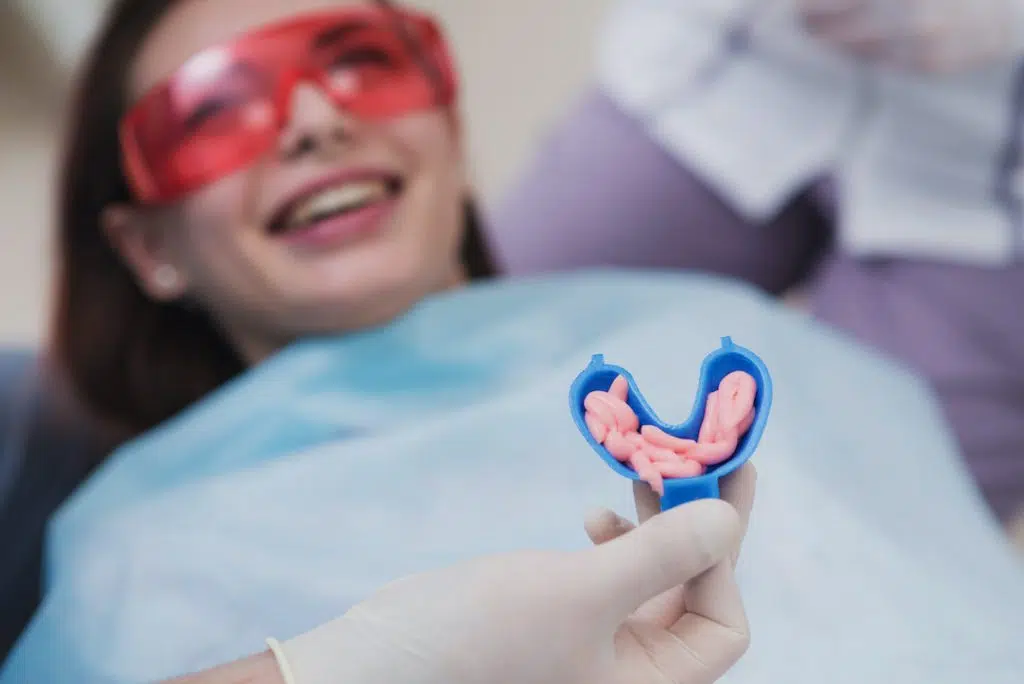
It’s no secret that fluoride is important for children’s teeth. In fact, it’s recommended by the American Dental Association that all children receive these treatments. But what about adults? Do they still need fluoride treatments? We’ll discuss everything adults need to know in this article below.
Why is Fluoride Important?
Fluoride is a mineral that’s found in many foods and water sources. It’s added to public water supplies in order to help prevent tooth decay. When fluoride is ingested, it helps to remineralize tooth enamel and make it more resistant to acidic attacks that can cause cavities.
How it Works
The American Dental Association explains that fluoride works by making the outer surface of your teeth (enamel) more resistant to the acid attacks that cause tooth decay. Before teeth break through the gums, the fluoride taken in from foods, beverages and dietary supplements makes tooth enamel (the hard surface of the tooth) stronger, making it easier to resist tooth decay. This provides what is called a “systemic” benefit.
After teeth erupt, fluoride helps rebuild (remineralize) weakened tooth enamel and reverses early signs of tooth decay. When you brush your teeth with fluoride toothpaste, or use other dental products that contain this, it’s applied to the surface of your teeth. This provides what is called a “topical” benefit.
In addition, the amount you take in from foods and beverages continues to provide a topical benefit because it becomes part of your saliva, constantly bathing the teeth with tiny amounts of fluoride that help rebuild weakened tooth enamel.
Do Adults Need Fluoride?
Children greatly benefit from fluoride, but what about adults? Yes, adults can benefit from fluoride, too! Studies show that topical types — from toothpastes, mouth rinses, and fluoride treatments — are as important in fighting tooth decay as in strengthening developing teeth.
Sources
There are many ways that adults can get the fluoride they need to help prevent tooth decay, such as:
- Fluoridated water: This is perhaps the simplest way to add it into your routine. If you live in an area with fluoridated water, simply using tap water for drinking, cooking and cleaning can help protect your teeth from decay. You can check online to see if your water is fluoridated.
- Toothpastes and mouthrinses: Brushing your teeth twice a day with a toothpaste and mouthrinse that has this ingredient can also help prevent decay.
- Fluoride treatments: In addition to toothpastes and mouthrinses, your dentist may also recommend periodic fluoride treatments. These treatments take place in the dental office and involve applying a concentrated gel or foam to your teeth.
- Supplements: Adults who don’t have access to fluoridated water may be able to get the amount they need by taking supplements. These are available by prescription only and should only be taken under the supervision of a dentist or healthcare provider.
Can You Use Too Much Fluoride?
It is possible to get too much fluoride, but this is usually only a concern for infants and young children. This can happen if they drink water that contains too much of it or use too much toothpaste that contains it. Symptoms of too much intake include white spots on the teeth (fluorosis), stomach pain, nausea and vomiting.
Taking Care of Your Teeth
While fluoride is important for preventing tooth decay, it’s not the only thing you need to do to take care of your teeth. In addition, you should also:
- Brush your teeth twice a day. This is one of the most important parts of at home dental care, because it removes plaque — the sticky film of bacteria that can cause tooth decay.
- Floss every day. Flossing helps remove plaque from between your teeth and under your gum line, where your toothbrush can’t reach.
- Eat a healthy diet. A healthy diet not only helps your overall health, but it also helps your oral health. Eating plenty of fruits, vegetables and whole grains and limiting sugary and acidic foods can help keep your teeth strong.
- Visit your dentist regularly. Even if you take good care of your teeth at home, it’s important to see your dentist for regular checkups and cleanings. This way, your dentist can spot any problems early on and provide treatment to help keep your teeth healthy.
Prioritize Your Dental Care with Stonebrook Family Dental
At Stonebrook Family Dental, we understand how important it is to maintain good dental health. We offer a wide range of services to help you care for your teeth, including fluoride treatments, cleanings, and more. Contact us today to schedule an appointment.