Fresh Start for Your Smile: Resetting Your Dental Routine

Love Your Smile: Valentine’s Self-Care Starts with Oral Health
February 13, 2026
National Tooth Fairy Day: Celebrating Milestones with Healthy Smiles
February 27, 2026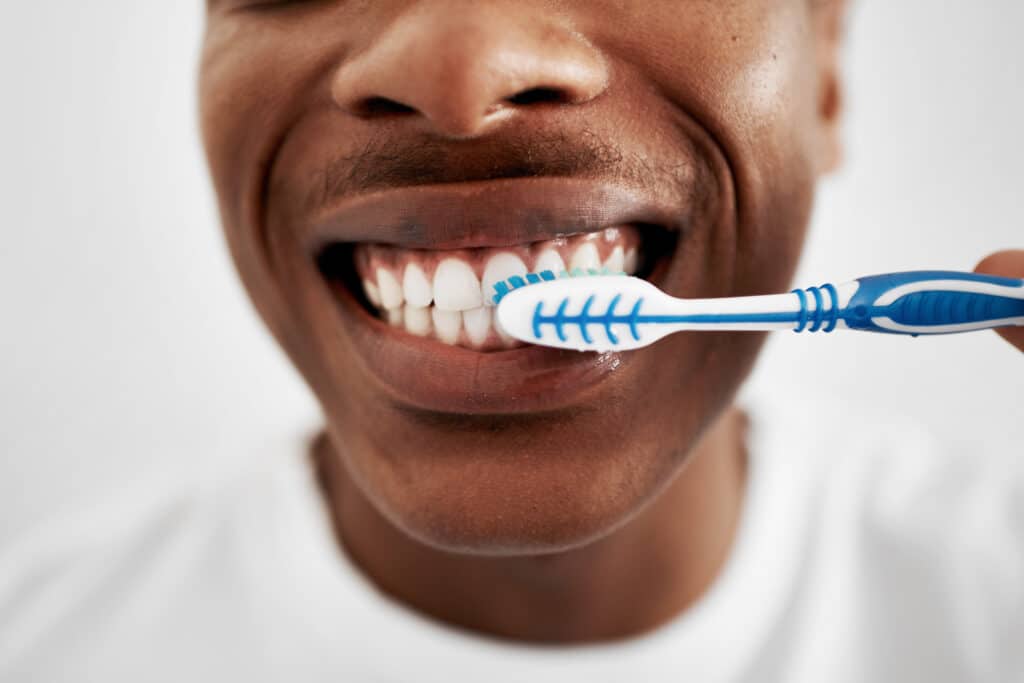
There’s something motivating about a fresh start—whether it’s a new season, a new schedule, or simply a desire to feel better. Your smile deserves that same reset. If brushing has felt rushed, flossing inconsistent, or dental visits delayed, now is the perfect time to refocus on simple habits that keep your teeth and gums healthy.
Resetting your dental routine doesn’t mean overhauling everything overnight. Small, consistent changes can dramatically improve your oral health and help you avoid discomfort, unexpected procedures, and long-term issues.
Why a Dental Reset Matters
Over time, even minor lapses in oral care can lead to plaque buildup, gum inflammation, enamel wear, or increased sensitivity. These changes often happen gradually and quietly. By the time symptoms appear, more extensive treatment may be needed.
A routine reset helps:
-
Strengthen enamel
-
Reduce gum irritation
-
Prevent cavities
-
Improve breath freshness
-
Boost confidence in your smile
Preventive habits are far easier—and more comfortable—than reactive treatments.
Step 1: Upgrade Your Brushing Routine
Brushing twice daily is essential, but technique matters just as much as frequency.
Brush for Two Full Minutes
Set a timer if needed. Two minutes ensures you’re thoroughly cleaning all surfaces of every tooth.
Use a Soft-Bristled Toothbrush
Hard bristles can irritate gums and wear down enamel. Gentle, circular motions along the gumline are most effective.
Choose Fluoride Toothpaste
Fluoride strengthens enamel and helps protect against cavities.
Replace Your Toothbrush Regularly
Swap it out every three months—or sooner if the bristles are frayed.
If you’ve been rushing through brushing, slowing down alone can make a noticeable difference.
Step 2: Make Flossing Non-Negotiable
Flossing removes plaque and food particles between teeth where a toothbrush can’t reach. Skipping this step allows bacteria to accumulate in tight spaces, increasing the risk of cavities and gum disease.
If traditional floss feels awkward, try floss picks or a water flosser. The best tool is the one you’ll use consistently. Once daily—especially before bedtime—helps keep gums healthier and reduces inflammation.
Step 3: Refresh Your Diet Habits
What you eat plays a major role in oral health.
Limit Frequent Sugar Exposure
Instead of snacking throughout the day, enjoy sweets in one sitting and rinse with water afterward.
Drink More Water
Water supports saliva production, which naturally neutralizes acids and protects enamel.
Add Tooth-Friendly Foods
Cheese, yogurt, nuts, apples, and crunchy vegetables help stimulate saliva and support gum health.
A few mindful adjustments to your daily diet can significantly reduce cavity risk.
Step 4: Reevaluate Your Dental Products
Sometimes a reset simply means upgrading your tools:
-
Consider an electric toothbrush for more consistent cleaning
-
Add an alcohol-free mouthwash to reduce bacteria
-
Use desensitizing toothpaste if you experience sensitivity
-
Keep floss or picks easily accessible
Making products convenient increases the likelihood you’ll stick to your routine.
Step 5: Schedule Preventive Visits
At-home care is vital, but professional cleanings remove tartar that brushing and flossing can’t eliminate. Routine exams also detect early signs of decay, gum disease, or enamel wear before they become larger issues.
If it’s been more than six months since your last visit, your reset should include scheduling an appointment. Preventive care keeps small concerns from turning into bigger ones.
Signs It’s Time for a Dental Reset
You might benefit from refreshing your routine if you notice:
-
Bleeding gums while brushing or flossing
-
Increased tooth sensitivity
-
Staining or buildup
-
Skipping dental appointments
-
Feeling rushed during brushing
Recognizing these early signs allows you to take action before problems progress.
Small Changes, Big Results
A healthier smile doesn’t require perfection—it requires consistency. Even modest improvements in brushing, flossing, hydration, and preventive visits can dramatically improve oral health over time.
Think of your dental reset as an investment. The more consistently you care for your smile now, the fewer complications you’re likely to face later.
Start Fresh — Schedule Your Smile Reset Today
If you’re ready to refresh your dental routine and protect your smile for the long term, now is the perfect time to take action. A professional cleaning and exam can set the foundation for your reset and help identify any areas that need attention. Contact Stonebrook Family Dental today to schedule your appointment and give your smile the fresh start it deserves.