How Long Does It Take For A Cavity To Form?

How Long Do Dental Implants Last?
September 7, 2023
Sensitive to Cold Foods & Drinks? Here’s What to Know
September 21, 2023
Nobody likes being told that they have a cavity during a dental checkup. The news can be frustrating and detrimental to your pocketbook. Have you ever found yourself wondering how you ended up with a cavity, or better yet, how long it’s been developing in your mouth? While there isn’t a one-size-fits-all answer since each tooth is unique, there is a general timeline for cavity formation that can help you stay on top of your oral health, and potentially prevent cavities altogether.
What is a Cavity?
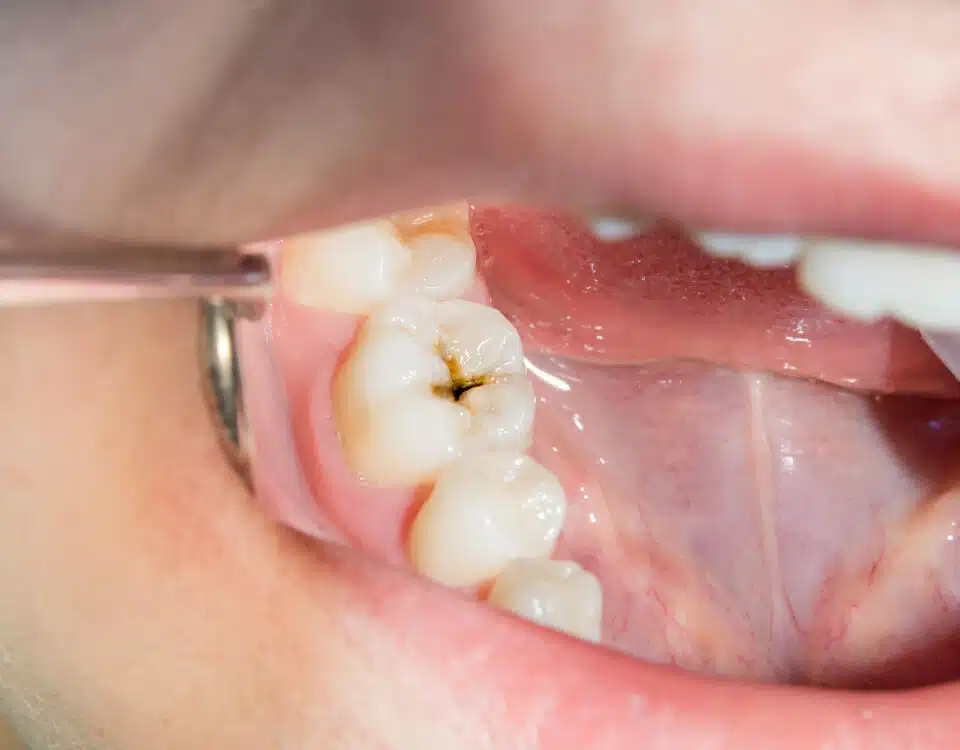
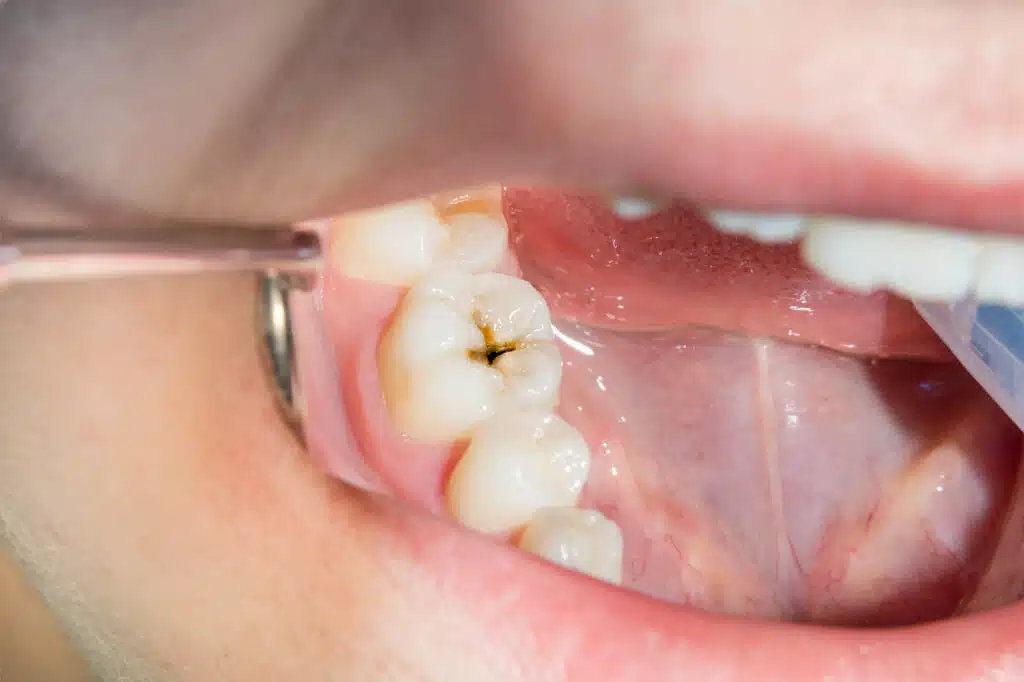
Cavity formation is a process that begins with the erosion of tooth enamel. Tooth enamel is the hard, outer layer of your teeth and plays a large role in protecting them from decay. When it’s weakened due to poor oral hygiene, sugar consumption, or excessive acidity, bacteria can creep in and begin to dissolve the enamel. This produces holes in your teeth, or what dentists refer to as cavities.
How Long Does It Take For A Cavity To Form?
The process of cavity formation begins with plaque build-up. Plaque is a sticky film made of food particles, saliva, and bacteria that accumulates on your teeth’ surface. When you eat sugary or starchy food, bacterias break them down and convert them into acid, which weakens your tooth enamel and leaves your teeth more susceptible to cavities. Under ideal conditions – healthy teeth, regular check-ups, and hygienic dental practices – it can take anywhere from several months to a few years for a cavity to form.
Risks
Crooked, overlapping teeth make cleaning between teeth more challenging, leading to plaque build-up in ‘hidden areas’. Teeth that have deep grooves might also develop cavity-causing plaque.
Lack of regular or proper cleaning also influences how fast cavities will develop. Going for weeks or months without brushing and flossing promotes the growth of bacteria in the mouth, resulting in more bacteria creating plaque, which builds up to cause more cavities.
Diet plays a significant role in cavity development as well. Foods and drinks that are high in sugar create the perfect breeding ground for oral bacteria. When left unchecked, bacteria consume the sugars we consume, producing acids that erode tooth enamel and put our teeth at risk of decay.
Symptoms
The signs and symptoms of cavities vary, depending on their extent and location. When a cavity is just beginning, you may not have any symptoms at all. As the decay gets larger, it may cause signs and symptoms such as:
- Toothache, spontaneous pain or pain that occurs without any apparent cause
- Tooth sensitivity
- Mild to sharp pain when eating or drinking something sweet, hot or cold
- Visible holes or pits in your teeth
- Brown, black or white staining on any surface of a tooth
- Pain when you bite down
Prevention
The best way to prevent cavities is to practice good dental hygiene. Follow these tips from the American Dental Association:
- Drink water with fluoride
- Brush with fluoride toothpaste 2 times a day
- Stay away from sugary foods and drinks, like candies and soda. Don’t sip or eat on them all day. If you are going to eat or drink things that are sweet do so at meal times.
- Limit sweet snacks between meals
- Clean between your teeth daily
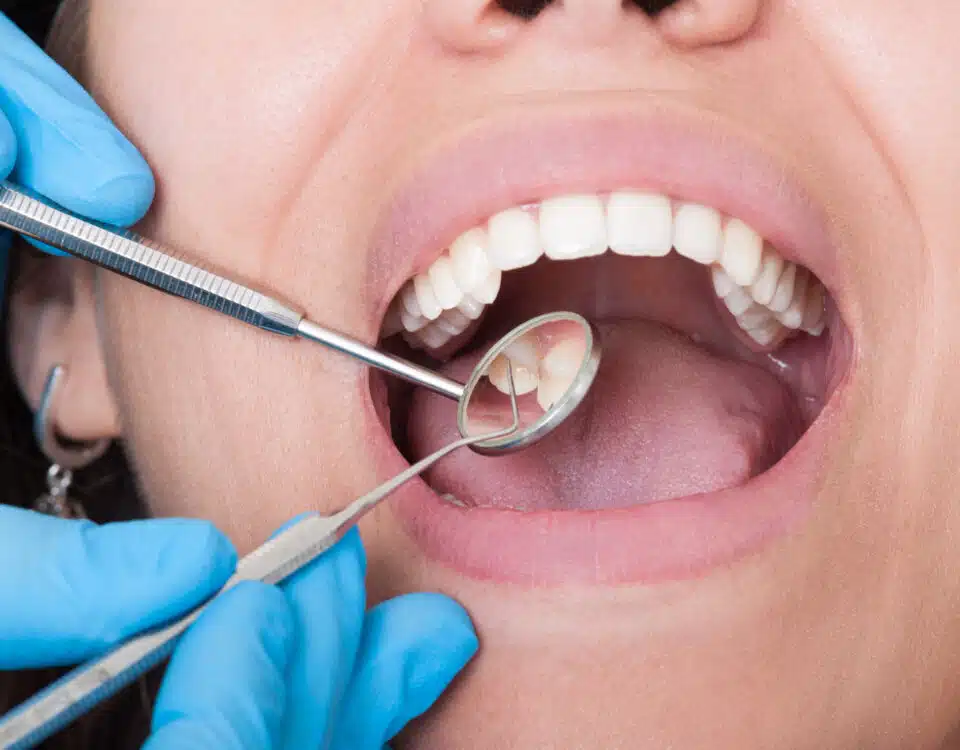
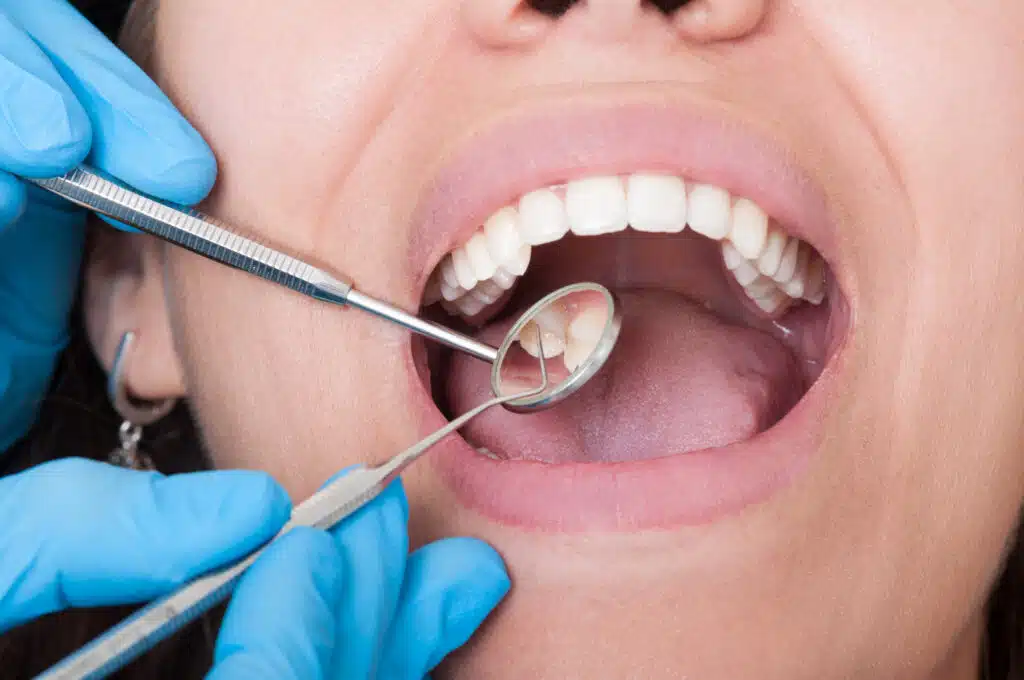
- Visit your dentist regularly
- Sealants can be placed on back teeth to better protect them from bacteria causing cavities in the grooves.
Cavities are never a welcome sight, but they’re usually not a sudden occurrence either. The time it takes for a cavity to form varies from person to person and tooth to tooth, so keeping up with regular dental cleanings and hygiene practices is critical. The build-up of plaque is the first step in cavity formation, and a balanced diet helps to avoid plaque buildup by reducing the number of harmful bacteria that survive in your mouth. With regular dental check-ups, proper oral hygiene, and a healthy lifestyle, you can avoid cavities or catch them early on and prevent them from becoming more severe issues. So be sure to take care of your teeth and say goodbye to cavity blues forever.
Make an Appointment with Stonebrook Family Dental
Cavity formation is a process that can take years to fully develop, but regular dental check-ups and good oral hygiene practices are key in preventing cavities or catching them early on. If it’s been longer than six months since your last visit, make an appointment with us today! Our friendly team of dental professionals work hard to provide quality family dentistry and help you keep your smile bright and healthy. Schedule your appointment by calling us today!