Mouthwash: Is It Necessary?
How Stress Can Affect Your Oral Health
January 25, 2019The Pros and Cons of Cosmetic Dentistry
February 8, 2019
We know that we need to brush and floss our teeth everyday, but it’s also recommended that we use mouthwash. But what is mouthwash, and how often should we use it, if at all? Mouthwash is typically used to freshen breath, but also has other oral health benefits that protect your teeth from bacteria. There are a few instructions for implementing mouthwash into your daily oral routine, and certain steps that you should follow to get the most out of your mouthwash. Use these tips to freshen breath and keep your mouth clean at the same time!
Origins of Mouthwash
Oral hygiene dates back to ancient times, with Egyptian, Chinese, Roman, and Greek cultures all utilizing recipes for teeth cleaning and breath freshening. Ancient records show that these cultures included materials like charcoal, flowers, and fruit into their concoctions to improve their oral health. Since then, the products we use to care for our mouths may have changed, but the underlying principle hasn’t: healthy mouth and fresh breath. Mouthwash itself wasn’t invented until the 1880s, well after the advent of toothpaste earlier in the century. Many early brands of mouthwash used alcohol to stabilize the formula, but alternative products have been implemented into mouthwash, like cetylpyridinium chloride (CPC), that contain germ-killing properties without having to use alcohol. But as society has embraced mouthwash, many questions have come along with it about whether it’s necessary and how to properly use it.
How It Works
The answer to the different functions that mouthwash has varies. There are different types of mouthwash that are used for a variety of reasons. Some are used to freshen breath or contain germ-killing ingredients that attack plaque and gingivitis, while others provide an anti-cavity benefit from fluoride to strengthen teeth. Our teeth are the hardest substance in our bodies, but even our incredibly strong enamel can break down under the constant attack of bacteria and plaque. Many dentists prescribe fluoride-enhanced mouthwashes to patients whose local drinking water is not supplied with fluoride to help strengthen the enamel of teeth and protect teeth from acid damage. Depending on your taste preference and which mouthwash meets your criteria for a healthy mouth and gums, it might be beneficial to try different brands or varieties to decide what works best for your mouth. You can find a variety of mouthwashes that address specific needs, like sensitive mouths or braces, or other rinses that contain CPC, povidone iodine, and essential oils that have also been proven to improve mouth health and plaque control.
Tips For Using Mouthwash
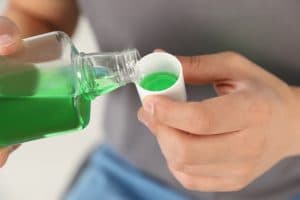
An important point to remember is that mouthwash should not replace our regular oral hygiene routine of brushing and flossing our teeth each day. Mouthwash is merely an enhancement for our oral health that regular cleaning already does for us, and functions mostly to freshen breath and prevent halitosis, or chronic bad breath. Even if your dentist prescribes you mouthwash, you still need to continue your oral health routine to prevent bacteria and plaque buildup.
Some mouthwashes have different levels of concentration, so it might be necessary to dilute yours with water. Make sure to read the label on your mouthwash and if it doesn’t recommend dilution, know that if you do dilute it that you may not get the full health benefits as its germ-killing concentration will be lower. For homes where there may be small children, try considering a mouthwash that doesn’t contain alcohol as it can become problematic if too much mouthwash is swallowed. Additionally, because of the alcohol content, mouthwash can be a hindrance for recovering alcoholics due to its potential for abuse. Also, on the label you will find the instructions for how long you should rinse your mouth with mouthwash. Most brands recommend swishing the product around in your mouth for 30 seconds to one minute before you spit it out, but read the guidelines located on your individual label so that you’re swishing for the correct amount of time.
Whether you decide to use one mouthwash over another, there are a few steps to consider as you implement mouthwash into your oral hygiene routine. First and foremost, use the right amount of mouthwash, especially what’s directed by your dentist or what is found on the label. Swish the mouthwash vigorously for 30 seconds to one minute and spit as much of it out as you can. Many fluoride rinses can be toxic if too much fluoride is ingested so make sure to supervise any children who may be using it. Lastly, avoid drinking, eating, or smoking for at least 30 minutes to prevent washing away any fluoride. As you follow these steps during your oral hygiene routine, you will be better able to use the product safely, strengthen your teeth, and enhance your mouth health.
Improving Your Oral Health
As mentioned, your oral health routine is one of the most important factors in preventing oral health complications and disease. For more tips and tricks to improve your oral health, call Stonebrook Family Dental at (303) 872-7907 for a consultation to get your healthy smile now!