National Hand-Washing Awareness Week: The Importance of Clean Hands in Dentistry

TMJ Awareness Month: Benefits of Night Guards
November 25, 2020
Give Yourself the Gift of Dental Care for the Holidays
December 8, 2020
The first week of December is National Hand-Washing Awareness Week. Keeping your hands clean is one of the most important things you can do for your overall — and oral — health. We’re sure you’ve heard plenty of times how to properly wash your hands this year, but here is why it’s important to your dental hygiene routine.
The Importance of Hand-Washing
More than ever after this year, we have learned the importance of properly washing our hands. Here are some important statistics to know when it comes to hand-washing:
- 80% of communicable diseases can be transferred by person-to-person contact
- Washing your hands a few times a day can reduce diarrhea by 40%
- Touching your face with dirty hands increases your risk of catching pneumonia, cold, and flu illnesses
- Less than 75% of women and 50% of men wash their hands after using the bathroom
- The ideal time to wash your hands is 30 seconds
- Most bacteria on our hands is under our fingernails, so when you wash, be sure you don’t neglect there
- Damp hands are 1,000 times more likely to spread bacteria than dry hands, yet only 20% of people dry their hands after washing
- Studies have shown that those who wash their hands have 24% less sick days because of respiratory illness, and 51% fewer sick days due to a sick stomach
The CDC mentions that the key time to wash your hands are before and after:
- Preparing food
- Eating food
- Caring for someone at home who is sick
- Treating a cut or wound
Further, it’s also important to wash your hands after:
- Using the bathroom
- Changing diapers or helping a child use the bathroom
- Blowing your nose, coughing, or sneezing
- Touching an animal or animal waste
- Handling pet food or pet treats
- Touching trash
Further, you should avoid touching your eyes, nose, and mouth without having clean hands.
Hand-Washing and Dental Hygiene
Another key time to wash your hands is before you brush and floss your teeth. When you do these things, like when you eat, your hands are in close proximity to your mouth. If you aren’t practicing cleaning your teeth with freshly washed hands, you are putting yourself at risk for an array of potential illnesses.
This is also why it is vital for dentists and dental hygienists to practice proper hand-washing, that way they aren’t working in your mouth with dirty hands. For dental professionals, clean hands are critical for reducing the risk of transmitting illnesses. Dental teams should be washing their hands when:
- About to treat patients
- Leaving a dental procedure
- Touching objects contaminated by blood, saliva, and other secretions
- When hands are visibly soiled
- After removing gloves that are torn, cut, or punctured
- Before replacing gloves
Proper Dental Routines
For starters, a good dental hygiene routine includes brushing your teeth twice per day: once upon waking in the morning and then again before you go to sleep at night. Each time you brush, you should be aiming to brush your teeth for a minimum of two minutes each time.
To properly brush, you should be holding the toothbrush at a 45-degree angle to your gums, and gently scrubbing each tooth with the bristles from top to bottom. You should also be sure to brush the back of your teeth and the top of your tongue to be removing all the bad bacteria you can.
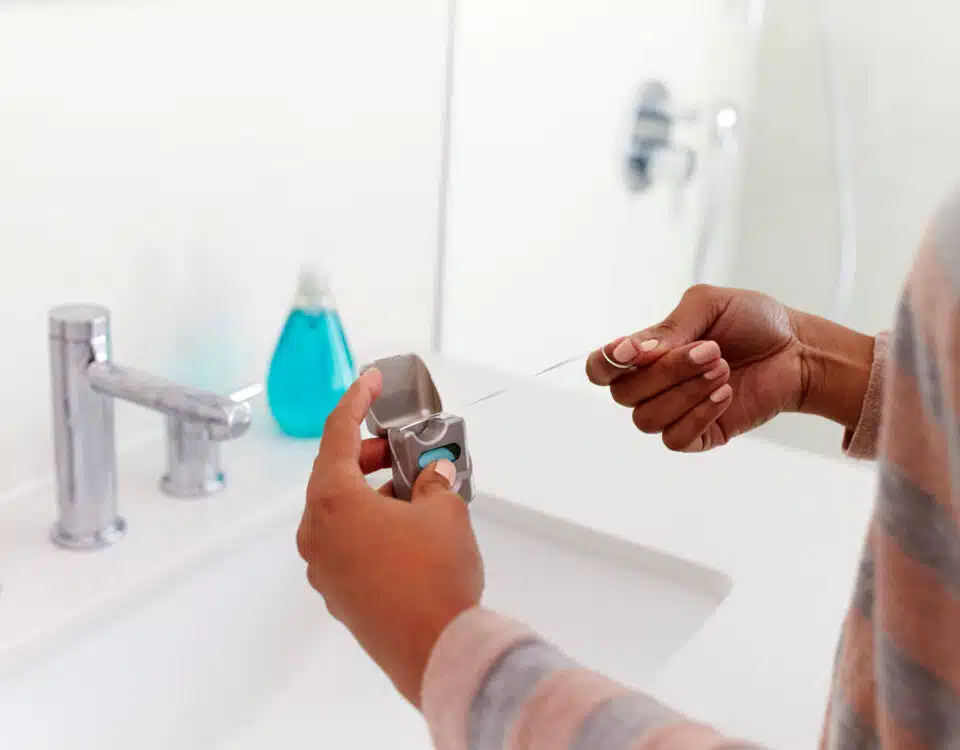
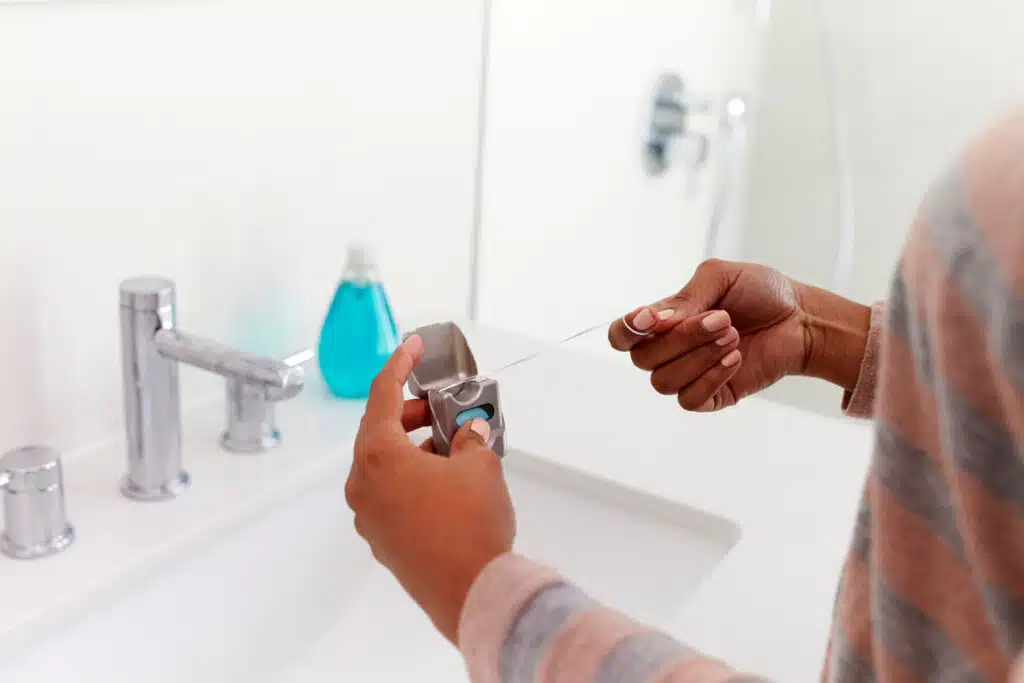
Another key component of a good oral hygiene routine is to floss at least once a day. Flossing removes bacteria and food particles that get lodged between the teeth, which brushing alone can’t remove from those tight spaces. When you floss, be sure you get between each and every tooth in your mouth. If you haven’t flossed in a while, experiencing mild bleeding for a few days after you begin is normal.
Using fluoride, mouth rinses, and eating a well-balanced diet can help protect your mouth against cavities, decay, and gum disease.
Lastly, patients with good dental hygiene make it a point to visit their dentist twice a year, or once every six months. At Stonebrook Family Dental, we are here for you no matter where you are in your dental health. Whether you just started to care about your dental health, or you’ve had a strict routine for years, we’re here for you. At your dental appointment, you’ll receive a deep cleaning and exam which will help reset your mouth and catch any dental problems that might be occurring or beginning.
Make an Appointment with Stonebrook Family Dental
At Stonebrook Family Dental, we provide quality dental care for a lifetime of healthy smiles and oral health. To make an appointment with us today, call our office at (303)-872-7907.