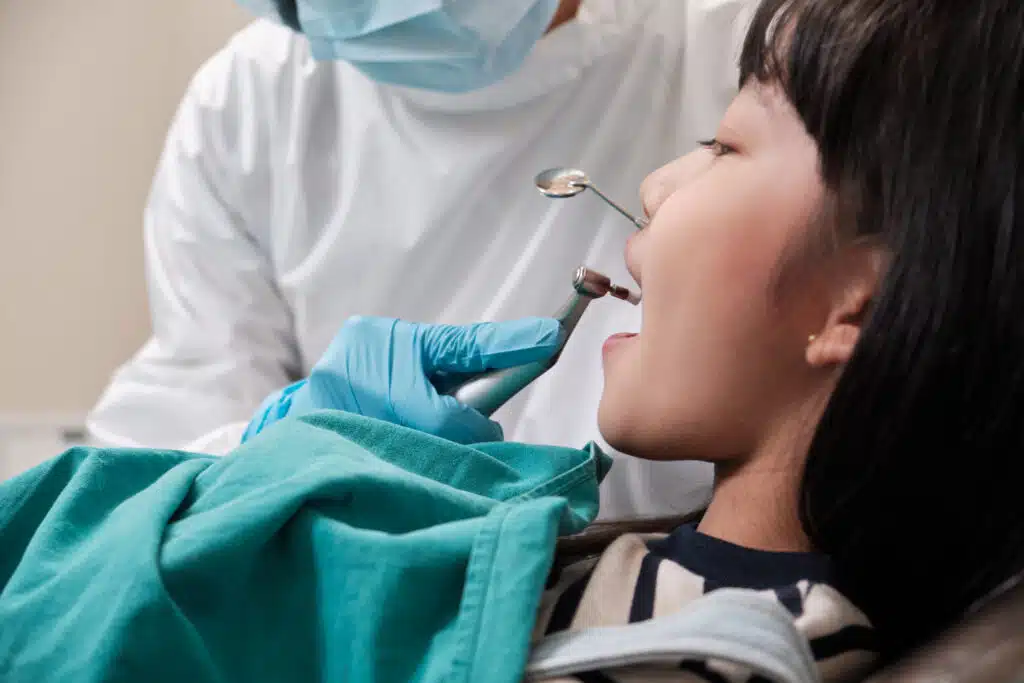
Sugar Damage and Your Teeth
Affording Dental Services
May 2, 2018Dental Fillings Can Fix Your Smile
May 16, 2018
You’ve probably heard that sugar can lead to cavities, but how does that actually happen? It’s the mixture of sugar with bacteria in your mouth that creates plaque, which is the substance that truly damages your teeth. However, your mouth can’t make that plaque without sugar. Find out how much sugar Americans consume on a daily basis and what affect that has on your teeth and your risk for tooth decay!
The Sugar Craze
Many people know that sugar can make little kids have bursts of energy. Adults also believe this as well, and tend to load up on the sweet stuff. Although sugar can give you energy, studies show that that energy generally lasts less than 30 minutes before you severely crash. As an energy source, sugar is pretty useless. So why do so many people crave the sweet stuff? Sugar is being found in countless foods in America—many of which don’t even need sugar! If you start checking food labels, you may be surprised to find out how much sugar you—and especially your children—are eating on a daily basis.
The more sugar you eat, the more you crave sugar. Studies have compared sugar to drugs, as it can produce the same feel-good effects in your brain. The more you eat, the more you’ll want to eat. The opposite is true. The less you eat it, the less you will crave it. However, it takes a conscious effort to do this. Not only will it benefit your health, but it will significantly improve your dental health as well.

Taking Care of Your Teeth
People should only have a few teaspoons of added sugar each day. The recommendations are for no more than 9 teaspoons for men, 6 teaspoons for women, and 0-6 teaspoons for children depending on age. However, studies show that many children are getting over 20 teaspoons of added sugar in their diet each day! Sugar is what causes tooth decay in your teeth in the first place. It’s no wonder that countless millions have tooth decay problems with how much sugar Americans are consuming.
When you eat, sugars in the foods and drinks you consume mix with bacteria in your mouth. Some bacteria work to help break down foods for digestion, whereas others will combine with sugar to make plaque. This is a sticky, acidic substance that stays in your mouth and sticks to your teeth. It’s clear, so it can be hard to see unless you look closely in a mirror. The acidic part of the plaque works to erode your tooth enamel, especially if it sits on your teeth for an extended period of time. You don’t want to give plaque that time, which is why you always hear that brushing and flossing are important.
You have to be brushing and flossing often to get rid of plaque, or you will experience tooth decay in your teeth. It’s inevitable. The worst part is, the more sugar you eat, the more plaque your mouth makes. If you’re eating way more than the recommended amount of sugar each day (which most are), then you have very high chances of damaging your teeth.

Reversing the Cycle of Tooth Decay
If you are prone to cavities, how you are eating may be the reason why. If you think you don’t eat a ton of sugar, track your diet throughout a few days or even a week. Check all labels and calculate how much sugar you’re actually consuming. You’ll be surprised that it’s more than you think. If your children get lots of cavities, it’s likely a combination of lots of sugar eating without enough brushing and flossing.
Reversing the cycle of tooth decay with you and your children is quite easy. We’ve already given you the answers: brush and floss more and reduce your sugar intake. The American Dental Association recommends brushing your teeth at least twice a day, every day, for 2 minutes every time. That’s only about 4 minutes of your day, when you have 1440 minutes total each day to work with. Brushing after every meal or sugary drink is even more beneficial, because your mouth won’t have time to make plaque that will rot your teeth. However, if you like to drink sodas, citrus fruits or carbonation, wait 20-30 minutes to brush so that the carbonic or citrus acid doesn’t take a little bit of your tooth enamel off.
You should floss your teeth at least 1-2 times a day. Do this in the morning after breakfast and at night before bed. Always go to bed with clean teeth so you don’t give plaque an entire night to damage your teeth. Also, see your dentist at least twice a year for comprehensive exams and dental cleanings. We can see if you are doing enough for your teeth to avoid decay and we can catch decay when it’s small.
Helping Little Ones
Small children will need your help preventing tooth decay. As soon as your little one has just one tooth, start proper brushing measures several times a day. Help them to learn proper brushing when they are small and do the brushing for them for a few years until they learn to do it on their own. Start them out with flossers until they have the dexterity for using adult floss. Lastly, reduce the amount of sugar they eat (as well as yourself), so you don’t have a high risk for tooth decay. For all your questions about the effects of sugar on your teeth, call Stonebrook Family Dental at (303) 872-7907!