The Best Dental Health Tips for Parents and Caregivers

Gum Care Aware: What to Know for Gum Disease Awareness Month
February 18, 2022
Tooth Decay Treatment: Filling vs. Root Canal
March 3, 2022
As children grow, they develop a sense of independence and want to take care of themselves. Teaching children about hygiene is one way for them to learn how to do so. As children get older, proper dental hygiene becomes more important for everyone’s oral health. Not only can teaching children the basics of dental hygiene help promote healthier teeth and gums, but it also teaches children responsibility at an early age which will benefit them in other areas throughout their lives! In this blog post we share some tips on how parents and caregivers can teach your child or children the basics of brushing and flossing.
The Importance of Baby Teeth and Dental Hygiene for Children
A child’s oral health is very important for their well-being. Not only are the teeth necessary for chewing, but they are also key to speaking clearly. You may think that baby teeth aren’t important since children lose them anyway, but that couldn’t be further from the truth. Baby teeth play an important role in a child’s development. They help a child learn how to speak properly, and if a baby tooth is lost too early, it can affect how their adult teeth grow in.
When you teach your children about brushing and flossing from an early age, you will be promoting healthy habits that they will continue with throughout their lives. In addition to promoting healthy teeth and gums, dental hygiene also includes teaching children to maintain a clean mouth. Brushing their teeth regularly prevents plaque and tartar buildup which can lead to cavities and decay.
Teaching Children About Dental Hygiene
Brushing Their Teeth
When it comes to brushing your child’s teeth, be sure that you choose the right toothbrush. There are many types of toothbrushes to choose from, including manual brushes and electric ones. When choosing a toothbrush for your child, look for one that has soft bristles with small heads. For children under 3 years old it is best to use a toothbrush where the head is not bigger than the size of their baby teeth. For older children, choose a toothbrush with soft bristles and small heads that are about half the size of your child’s teeth.
As far as brushing their teeth, it’s important to assist and supervise your children as they brush their teeth until they are old enough to do so properly by themselves. In most cases, children should be assisted at least until they are seven years old. You can supervise by reminding your children to brush their teeth, and showing them how you brush yours.
Brushing children’s teeth is one of the most important factors in dental hygiene for children . Brushing regularly will prevent cavities and gum disease, as well as promote healthy gums and teeth.
Flossing
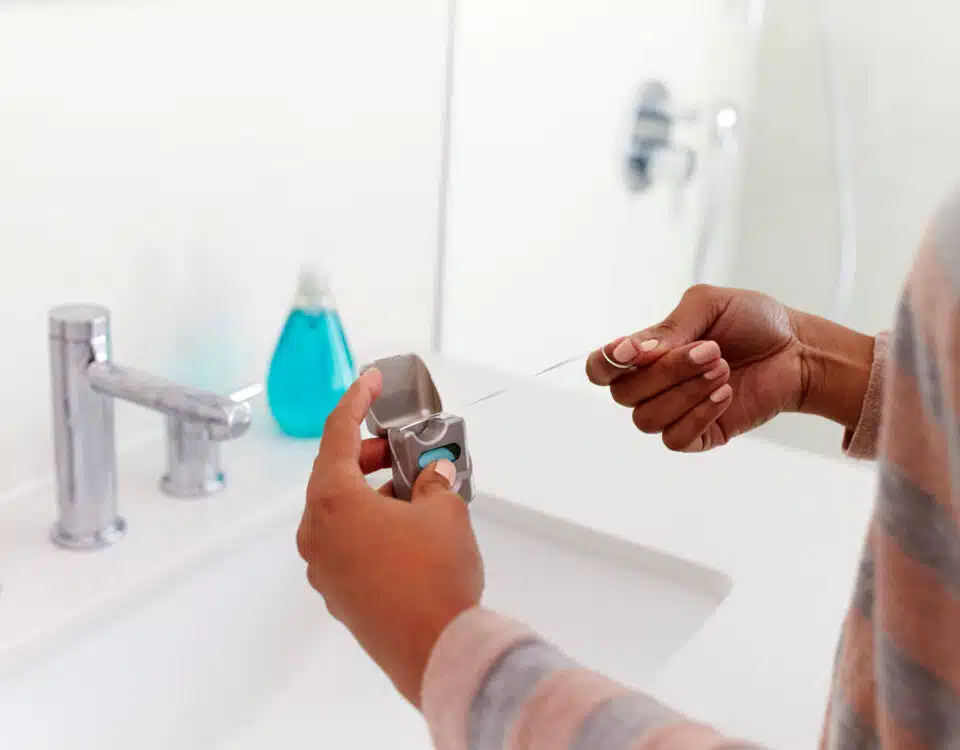
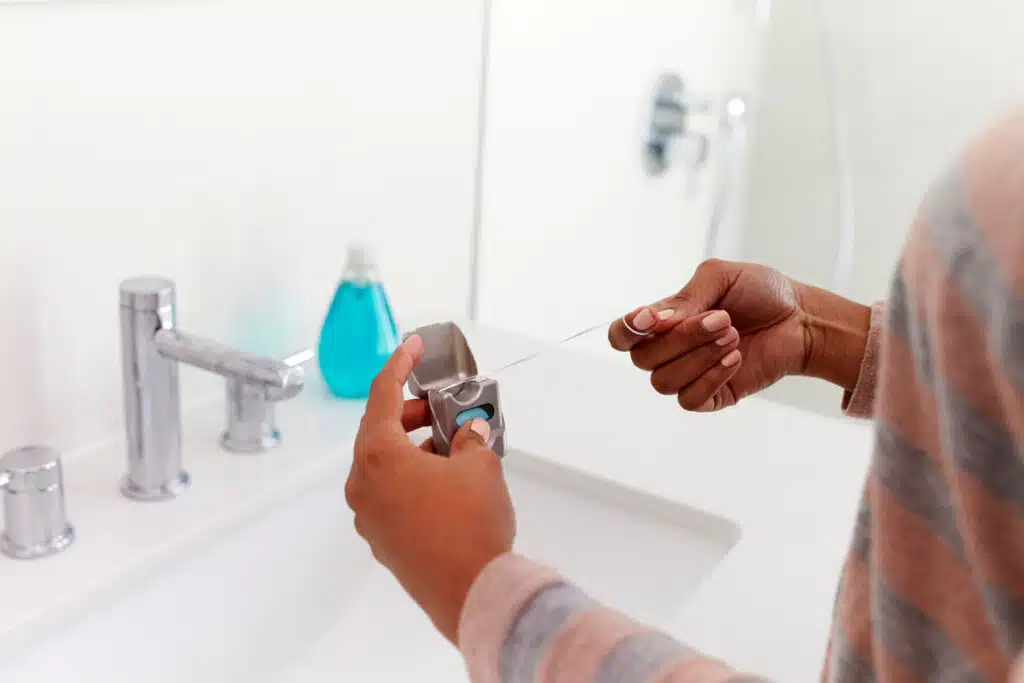
Teaching children to floss is just as important for their dental hygiene. Flossing keeps the spaces between the teeth and removes plaque and food bits that brushing can’t reach. However, flossing can be hard for most children to do on their own, so it’s best to start teaching them when they are young and help them as they grow. Flossing should be done at least once a day to promote healthy teeth and gums.
It’s important to note that flossing children’s teeth is one of the most important factors in dental hygiene for children. Flossing regularly will prevent cavities and gum disease, as well as promote healthy gums and teeth.
Healthy Eating
In addition to brushing and flossing, it’s also important to teach your child about healthy eating. Sugary, acidic foods can damage teeth and lead to cavities and decay. Encourage your children to eat a well-balanced diet which includes lots of fresh fruits and vegetables, as well as other foods that promote healthy teeth!
Visiting the Dentist
As with adults, children need to see a dentist regularly for exams and cleanings. Your child should first visit the dentist by the time they turn one year old or get their first tooth, whichever happens first. Taking your child to visit the dentist beginning at an early age can help make them more comfortable with going to the dentist as they get older.
Children and Cavities
Cavities are one of the most common dental problems, affecting children and adults alike. Cavities are caused by tooth decay when foods containing carbohydrates (sugars/starches) are eaten frequently or allowed to sit on teeth. In fact, 42% of children 2 to 11 have had dental caries in their primary teeth.
Make an Appointment with Stonebrook Family Dental
If your child is not currently seeing a dentist, we encourage you to make an appointment for them with our practice! We can help you and your children keep their mouths healthy and teach them about proper dental hygiene. Contact us today for an appointment.