The Hidden Techniques to Save Your Injured Tooth

5 Reasons Why You Should Get a Professional Dental Cleaning with Stonebrook Family Dental
June 20, 2024
What You Eat Affects Your Teeth
July 5, 2024
An injured a tooth can be both painful and distressing. Whether it’s due to an accident or a sudden fall, the immediate concern is often how to save that precious tooth. At Stonebrook Family Dental, we understand the urgency and importance of acting swiftly to preserve dental health. This blog post will guide you through the vital steps to take when faced with a dental injury, offering expert advice to ensure the best possible outcome for your tooth.
In this comprehensive guide, we’ll explore the various types of tooth injuries, the immediate actions you should take, and the advanced techniques used by dental professionals to save an injured tooth. By the end of this post, you’ll be equipped with the knowledge to handle dental emergencies confidently and effectively.
Understanding Tooth Injuries
Types of Tooth Injuries
Tooth injuries can range from minor chips to complete dislocations. Understanding the type of injury is crucial in determining the appropriate response.
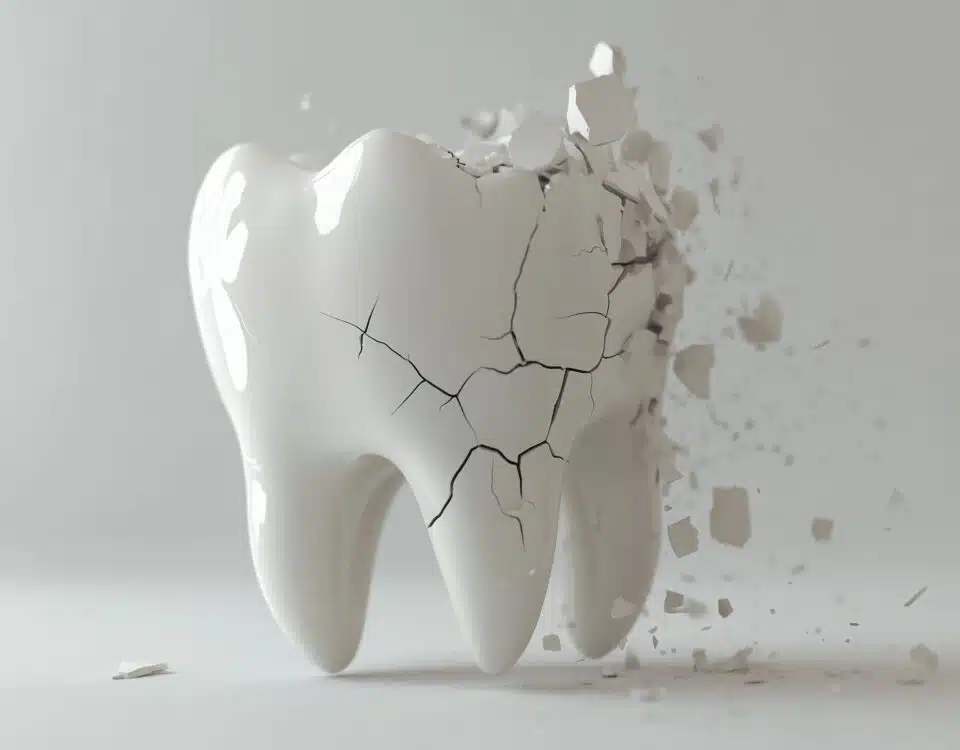
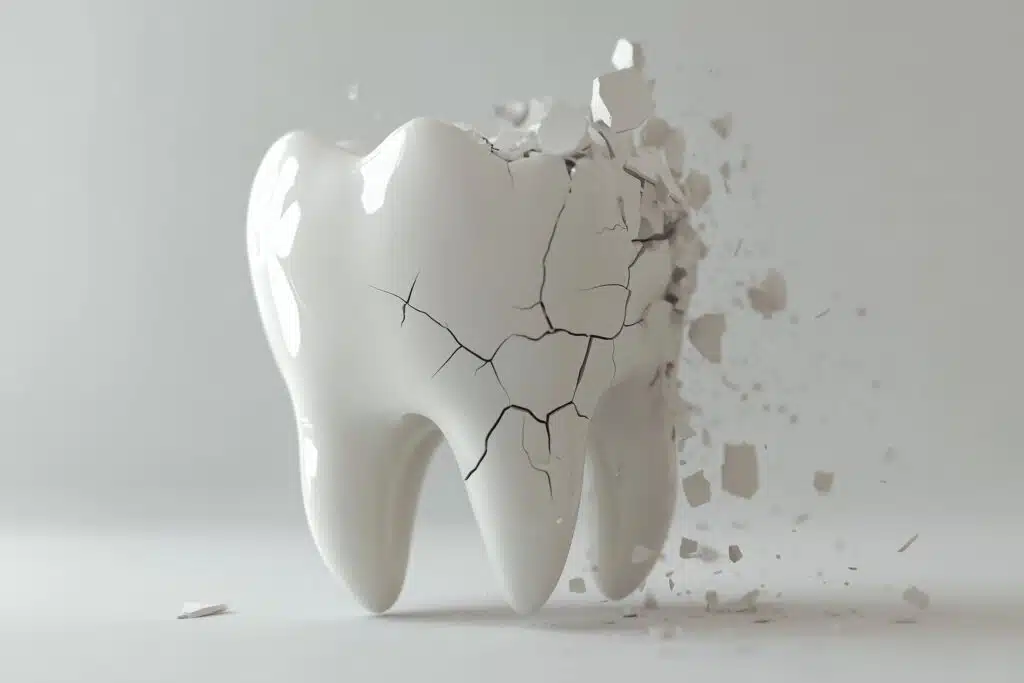
Chipped or Cracked Teeth: These are common and can usually be repaired with dental bonding or a crown.
Dislodged Teeth: Often referred to as “luxation,” this occurs when a tooth is pushed out of its normal position but remains attached.
Knocked-Out Teeth: Known as “avulsed teeth,” this is a severe injury where the tooth is completely detached from the socket.
Immediate Actions for Tooth Injuries
The first few minutes after a tooth injury are critical. Knowing what to do can make a significant difference in saving the tooth.
Stay Calm: Panicking can make the situation worse. Take deep breaths and focus on the next steps.
Rinse and Preserve: Rinse the injured tooth with milk or saline solution if it’s dirty. Avoid scrubbing or touching the root.
Seek Professional Help: Contact your dentist immediately. Time is of the essence, especially for knocked-out teeth.
The Role of Pain Management
Pain management is an essential aspect of dealing with tooth injuries. Over-the-counter pain relievers can help, but it’s crucial to avoid aspirin, as it can increase bleeding.
The Expert Approach at Stonebrook Family Dental
Advanced Diagnostic Tools
At Stonebrook Family Dental, we use state-of-the-art diagnostic tools to assess tooth injuries accurately.
Digital X-Rays: Provide detailed images to identify fractures and other internal damages.
3D Imaging: Offers a comprehensive view of the tooth and surrounding structures, aiding in precise treatment planning.
Cutting-Edge Treatment Techniques
Our team employs advanced techniques to save injured teeth, ensuring the best possible outcomes for our patients.
Root Canal Therapy: Essential for saving teeth with damaged or infected pulp.
Splinting: Used to stabilize dislodged or loosened teeth, allowing them to reattach to the bone.
Dental Bonding: A quick and effective solution for repairing chipped or cracked teeth.
Personalized Care Plans
Every patient is unique, and so is their treatment plan. We tailor our approach to meet the specific needs of each individual.
Comprehensive Evaluations: Thorough assessments to determine the extent of the injury and the best course of action.
Custom Treatment Plans: Detailed plans outlining the steps and procedures required to save the tooth.
Follow-Up Care: Regular check-ups to monitor healing and ensure long-term success.
Practical Tips for Preventing Tooth Injuries
Protective Gear for Sports
Wearing protective gear can significantly reduce the risk of tooth injuries during sports and physical activities.
Mouthguards: Custom-fitted mouthguards offer superior protection compared to over-the-counter options.
Helmets: Essential for contact sports like football and hockey, providing overall head protection.
Safe Practices at Home
Accidents can happen anywhere, including at home. Implementing safety measures can prevent dental injuries.
Childproofing: For families with young children, childproofing sharp corners and hard surfaces can prevent falls and impacts.
Avoiding Hard Foods: Chewing on ice, hard candy, or non-food items can lead to cracked or broken teeth.
Regular Dental Check-Ups
Routine dental visits play a crucial role in maintaining oral health and preventing injuries.
Early Detection: Regular check-ups allow for early detection of potential issues that could lead to injuries.
Professional Cleaning: Keeping teeth clean and healthy reduces the risk of decay and structural weaknesses.
Personalized Advice: Dentists can provide tailored advice on maintaining strong and healthy teeth.
The Importance of Timely Intervention
The Golden Hour
The first hour after a tooth injury is often referred to as the “golden hour.” Timely intervention during this period can significantly increase the chances of saving the tooth.
Immediate Care: Acting quickly can prevent further damage and improve the prognosis.
Professional Evaluation: A prompt visit to the dentist allows for immediate assessment and treatment.
Long-Term Benefits
Saving an injured tooth has long-term benefits for your oral health and overall well-being.
Natural Appearance: Preserving your natural tooth maintains the appearance of your smile.
Functional Integrity: A saved tooth continues to function properly, allowing for normal chewing and speaking.
Cost-Effective: Saving a tooth is often less expensive than alternatives like implants or bridges.
Make an Appointment with Stonebrook Family Dental
Facing a tooth injury can be overwhelming, but with the right knowledge and prompt action, you can save your tooth and maintain your beautiful smile. At Stonebrook Family Dental, we’re committed to providing expert care and advanced treatments to ensure the best outcomes for our patients. Schedule an appointment with us today, and let us help you on your journey to optimal oral health.