Tips For Winter Dry Mouth and Oral Health Problems
What Is Ultrasonic Teeth Cleaning?
January 11, 2019How Stress Can Affect Your Oral Health
January 25, 2019
Do you get dry mouth in the winter? You’re not alone. Winter dry mouth is a common phenomenon, as are sensitive teeth. The two can actually go hand-in-hand in the winter. If your dry mouth doesn’t only happen in the winter, it can have a lot to do with your oral health and reasons why the gum line recedes, causing your teeth to be sensitive. Dry mouth over time can hurt your oral health and can lead to decay. These are the reasons why it happens both in the winter and year-round and what you can do about it!
What Is Dry Mouth?
Dry mouth, or xerostomia, is a condition in which the salivary glands in your mouth don’t produce enough saliva to keep your mouth wet. It usually occurs due to sleeping with your mouth open and snoring, but can also be a side effect of taking certain medications, radiation therapy for cancer, nerve damage, alcohol/drug abuse, or aging. It also can be caused by a condition, called Sjogren Syndrome, that directly affects the salivary glands, but this isn’t as common. Anxiety, depression, and other emotional states can also leave you feeling like your mouth is dry. Personal habits, such as drinking alcohol, breathing through the mouth, and using tobacco products have a tendency to dry out your mouth, as well.
Some of the symptoms caused by dry mouth include a rough tongue, dry lips, bad breath, sticky saliva, difficulty chewing/swallowing/eating, a changed sense of taste, dentures that aren’t fitting properly, and infections on the surface of the tongue, cheek, or gums. Typically, we feel the annoyance of dry mouth during the night, which can cause sleep deprivation and fatigue. Whatever the reason is behind your dry mouth, it is uncomfortable and at times painful, and can lead to complicated oral health problems.
Winter vs. Other Seasons
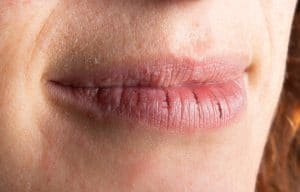
One of the most common assumptions of dry mouth is that it occurs in the winter because that’s normally when people’s skin, mouth, and eyes dry out the most. Surprisingly, whether it’s winter or summer, dry mouth very rarely develops because of the seasons, but rather because of the lack of saliva in your mouth. This can occur at anytime during the year, but many people feel it during the winter because other parts of their body are already dry due to the cold weather and the fact that cold air doesn’t carry nearly as much moisture as warm air does. Additionally, there isn’t even enough research to even connect cold winter months to dry mouth; it entirely depends on your saliva content and whether your body is regulating it or not. So if you’re having symptoms of dry mouth during any season of the year, make sure to schedule an appointment with your dentist and see what is going on before your dry mouth gets worse.
Oral Health and Dry Mouth
Our mouths need saliva, even when we’re sleeping. It helps prevent tooth decay by washing away bacteria, cleansing the mouth, and helping us swallow. Dry mouth occurs with the absence of saliva, and this can cause redness and irritation of the mouth and throat, which left untreated, can lead to infection. Without enough saliva, our ability to chew and swallow is affected, and it can even change our appetites and enjoyment of food. We are more likely to develop thrush (yeast infection of the mouth), mouth sores, poor nutrition, and increased plaque and tooth decay, all of which affect our oral and overall health. Tooth decay can especially become a problem because it not only affects your teeth, but your gums, as well. Teeth are the hardest substance in our bodies, but can erode under the constant attack from plaque and bacteria. This can cause gum line recession, which increases teeth sensitivity. Even though it may seem like a small thing, dry mouth can have serious and painful consequences, like tooth decay and infection, when not properly treated.
What To Do
First and foremost, individuals with dry mouth should consult with their dentist about their symptoms, concerns, and treatment. It is better to prevent the development of dry mouth rather than try to cure and repair, so regular checkups with your dentist, whether you’re having issues or not, are an important part of taking care of your oral health. Turning on a humidifier at night so that the air doesn’t get too dry in your room and having a glass of water by your bedside can be helpful whenever you are consistently waking up during the night or feeling some dryness. In some cases, your dentist may prescribe a dry mouth rinse, fluoride prescription toothpaste, artificial saliva spray, or sugarless lozenges to help with the discomfort and increase moisture in your mouth. Proper oral hygiene is an essential component of dental health, so using toothpaste or rinses that are prescribed to you by your dentist will not only help your dry mouth but protect your teeth and gums at the same time.
Make A Plan With Stonebrook Family Dental
If you or someone you know is dealing with dry mouth, call Stonebrook Family Dental at (303) 872-7907. We have qualified and caring physicians whose priority is your oral health and happiness. From comprehensive dental care to digital X-rays and laser dental treatments, we offer the best care for your needs. Call today for more information!