
Does Your Tooth Enamel Need Some TLC?
Seven Tips for Oral Hygiene on the Go
February 10, 2018Don’t Get Lost in Dental Lingo
February 23, 2018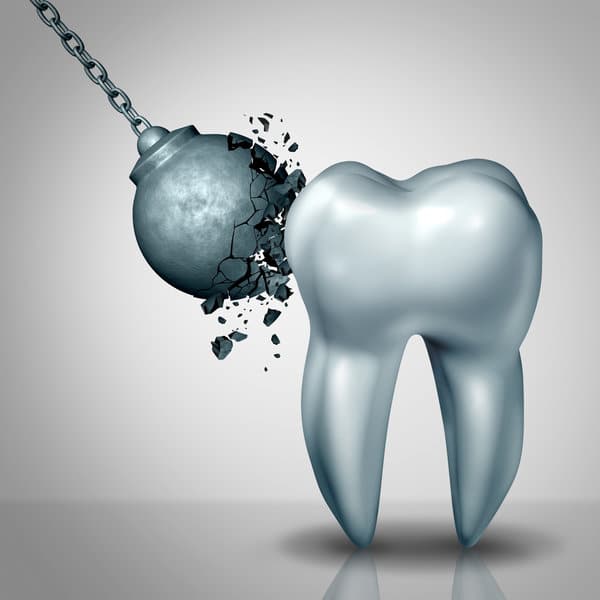
Tooth enamel–the thin, clear outer covering of your teeth–is charged with protecting your teeth from daily exercise like chewing, biting and grinding. It also insulates teeth so eating hot and cold food doesn’t trigger pain. Tooth enamel is translucent so you can see the dentin underneath, which is what determines the color of your teeth.
Did you know that tooth enamel is the hardest substance in the human body? But despite its resilience, it can still become worn and chipped away leading to enamel erosion. Unlike a broken bone that can heal itself, enamel has no living cells, meaning once the damage is done, it’s permanent. What options do you have if your enamel is worn or missing?
The Importance of Proactive Care
One of the first ways to halt the progress of enamel erosion is to discover what is causing it.
Tooth erosion occurs when acids wear down the enamel on your teeth. Enamel erosion can result from the following according to WebMD:
- Excessive soft drink consumption (high levels of phosphoric and citric acids)
- Fruit drinks (some acids in fruit drinks are more erosive than battery acid)
- Dry mouth or low salivary flow (xerostomia)
- Diet (high in sugar and starches)
- Acid reflux disease (GERD)
- Gastrointestinal problems
- Medications (aspirin, antihistamines)
- Genetics (inherited conditions)
- Environmental factors (friction, wear and tear, stress, and corrosion)
To help combat the effects of these factors, visit the dentist every six months, avoid acidic drinks, chew gum, drink more water, brush with fluoride toothpaste, wear a mouthguard.
Check for Enamel Erosion
What signs may indicate that your teeth are suffering from enamel erosion? Common symptoms are: tooth sensitivity to hot, cold or sweet beverages and foods; discolored teeth; and cracked/chipped teeth.
Discoloration is a result of enamel erosion as more and more dentin is exposed causing the teeth to take on a yellowish tone.
Teeth sensitivity levels will vary depending on the stage of your enamel erosion. The later stages of enamel erosion, may cause a noticeable, painful jolt when your teeth are exposed to extreme temperatures and sweets.
Visit Your Dentist to Treat Worn or Eroding Enamel
How do you treat worn or eroding enamel? Dental bonding or crowns are great tools for helping restore teeth function and protecting your smile from further deterioration. Dr. Varley and his staff can educate you on the pros and cons of dental bonding to help you with protecting your oral health.
Dental bonding is considered a highly beneficial procedure for teeth that need only minor corrections. A special type of tooth-colored, durable resin is bonded to the tooth, which restores and improves the smile with natural looking results.
Compared to other cosmetic procedures, dental bonding is relatively simple and inexpensive. Unlike crowns and veneers, bonding can be done in one office visit (unless multiple teeth are being treated).
Because bonding is less invasive compared to veneers and crowns, anesthesia is not required unless it is used as a cavity filling. There is no special care required, besides proper oral hygiene and dental habits. Under reasonable circumstances (proper hygiene, no abusive habits like chewing on fingernails or ice, etc.) the bonding should last between 3 to 10 years before it needs replacement or touching up.
Call for a Tooth Enamel Consultation
Stonebrook Family Dental is happy to serve the Aurora, Colorado, community with advanced family, cosmetic, and implant dentistry services in a family-friendly atmosphere. Your trust and comfort are a high-priority to us which is why we invest in state-of-the-art technology and methods for your care.
If you would like to learn more about the health of your tooth enamel, please call our office at (303) 872-7907. We are anxious to help you retain and improve your oral health!
