What Dentures Can Do for Your Smile
How to Know If You Need Dental Fillings
January 7, 2020
Tips To Prevent Baby Bottle Tooth Decay
January 27, 2020
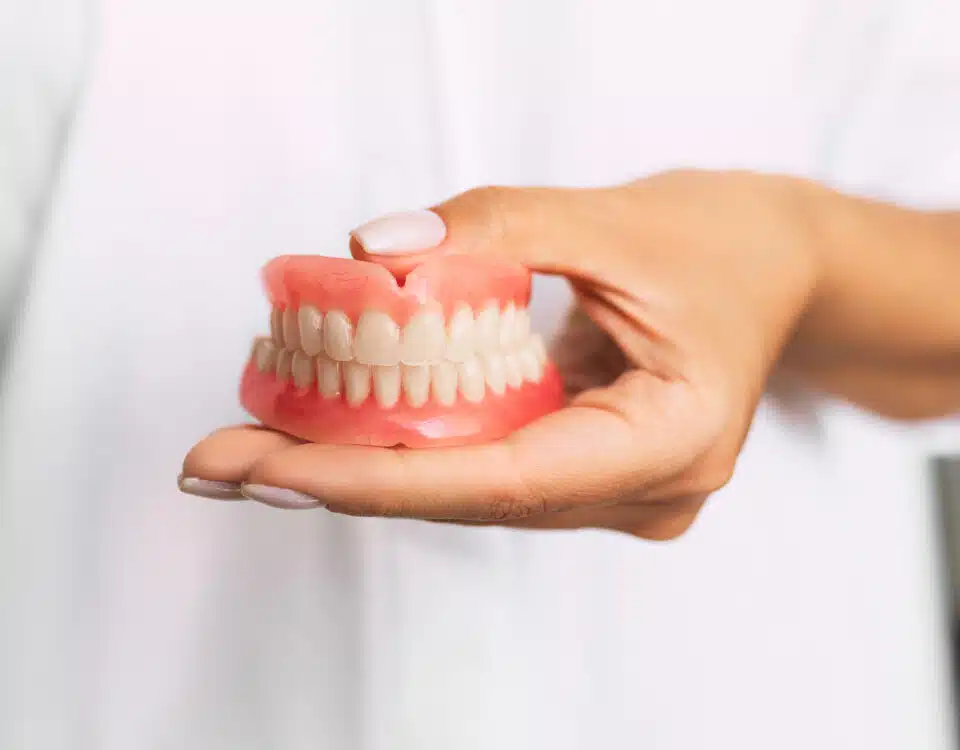
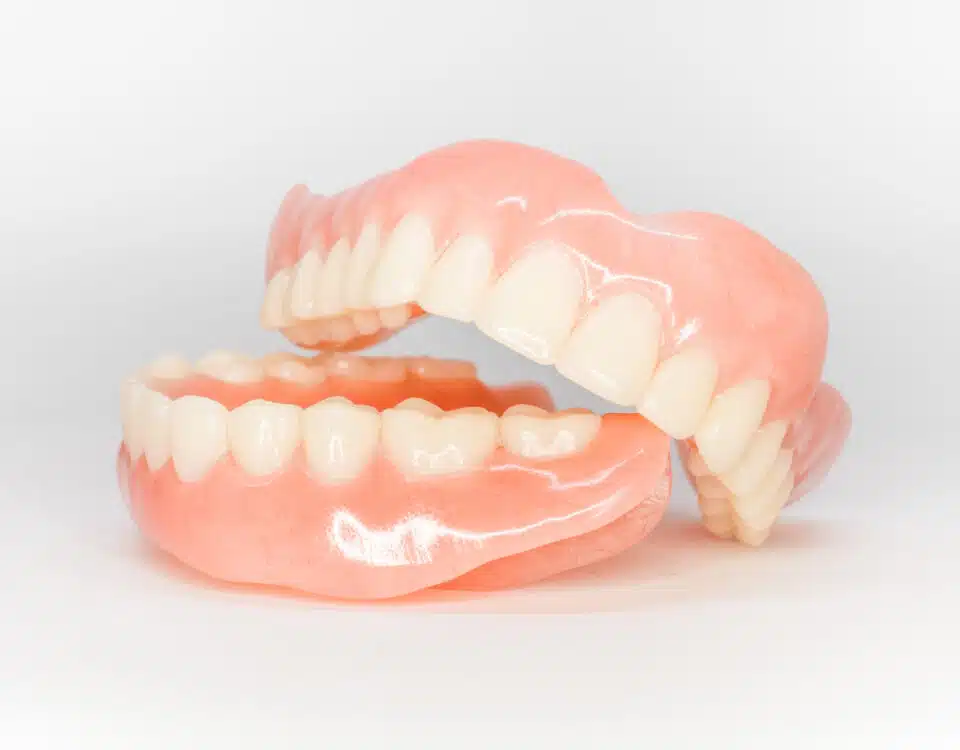
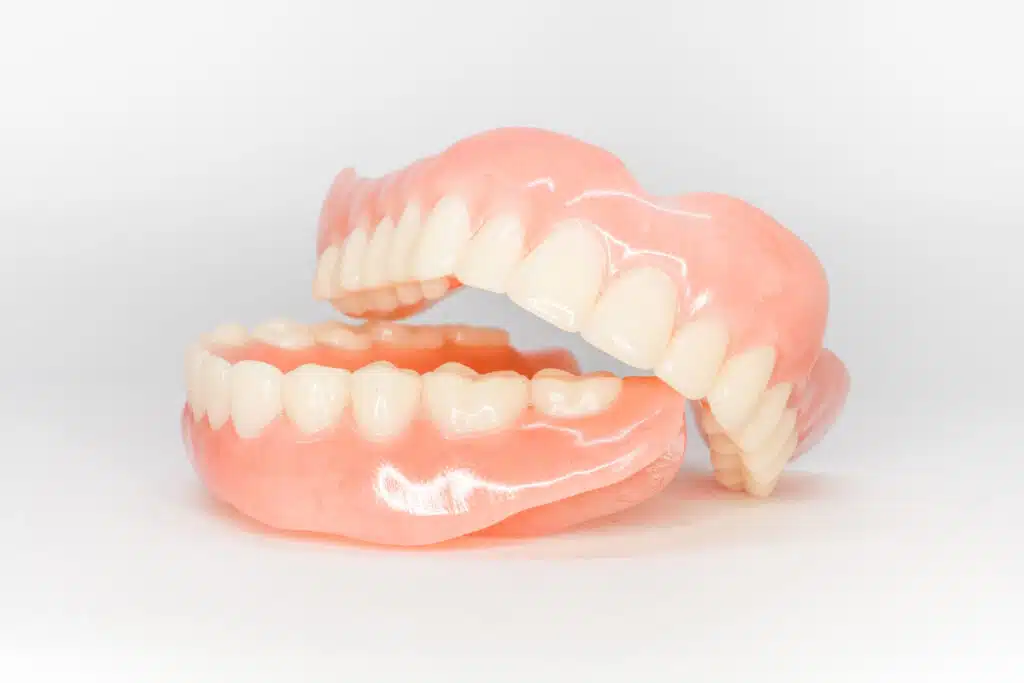
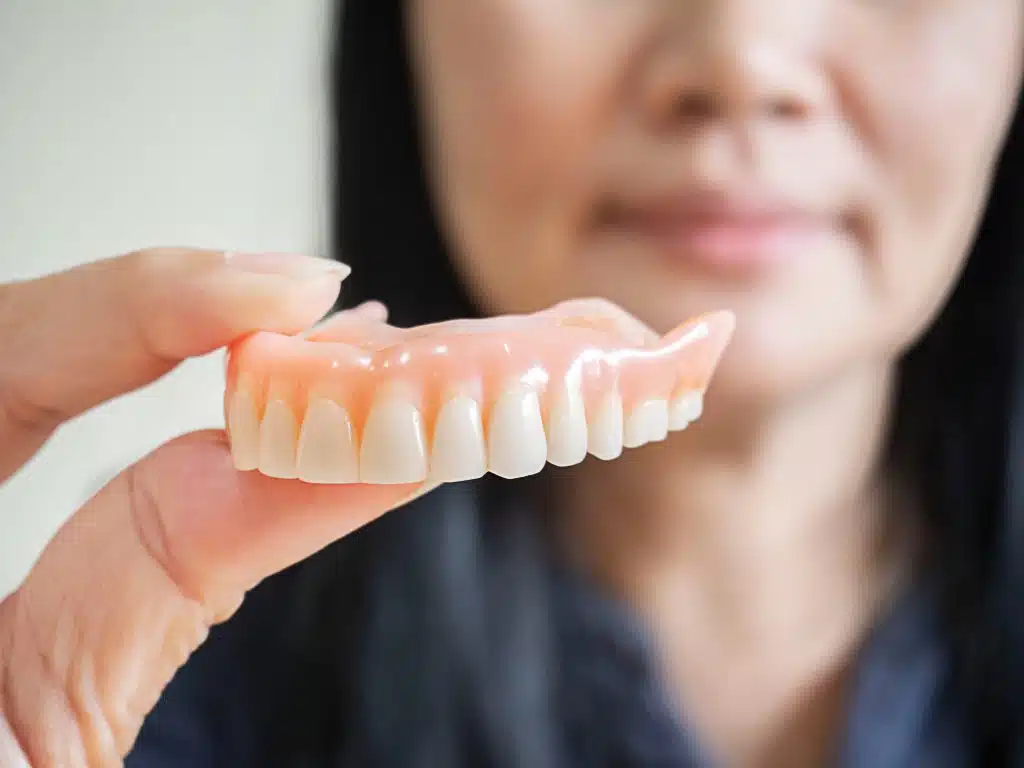
Your smile is one of the first things that people see, but many people suffer from missing, broken, or stained teeth that affects how they feel about their appearance. To combat this issue, dentures are becoming more and more popular to fully restore a smile. Depending on your needs and wants, you could be eligible for either partial or complete dentures, both of which make it easier to eat, chew, and speak. Read this guide to find out the differences between the different types of dentures and what they can do for your smile!
Tooth Decay
If you’ve ever lost a tooth, then you’ve noticed the shift in how well you can eat, drink, and talk. Now, if you multiply that by many teeth, doing these simple, daily tasks may become quite difficult. Anyone can lose their teeth, from the very young to the very old. However, there are many elderly that still have their natural teeth. This is due to good genetics coupled with excellent oral health habits. In fact, if you want to keep your natural teeth healthy for years to come, make sure you’re brushing, flossing, using fluoride, and seeing your dentist on a regular basis.
However, you may be doing all you need to and still lose teeth. This is because of age and how strong your teeth are. When you eat, sugars in your food mix with bacteria in the mouth to create acidic plaque. That plaque is clear, sticky, and sits on your teeth. It’s actually what creates dead spaces in the teeth called cavities. When cavities grow large enough, you may have to have your teeth removed, or they fall out themselves. Once one tooth comes out, the surrounding teeth automatically become weaker because they no longer have an opposing force keeping them in place. This leads to rapid tooth loss, which can be remedied with the right dental help.

Is Tooth Loss Common?
The answer to this question is yes! Tooth loss can happen so easily without the right dental preventative measures. Studies show that 96% of people have had their teeth decay by the time they are 65 years old. According to the American College of Prosthodontists, over 36 million people have no teeth. Over 120 million more are missing at least one tooth. At least 1 out of every 2 geriatric people are missing all their teeth. Sadly, only about 15% of toothless people get dentures each year to restore their smile.
Partial Dentures
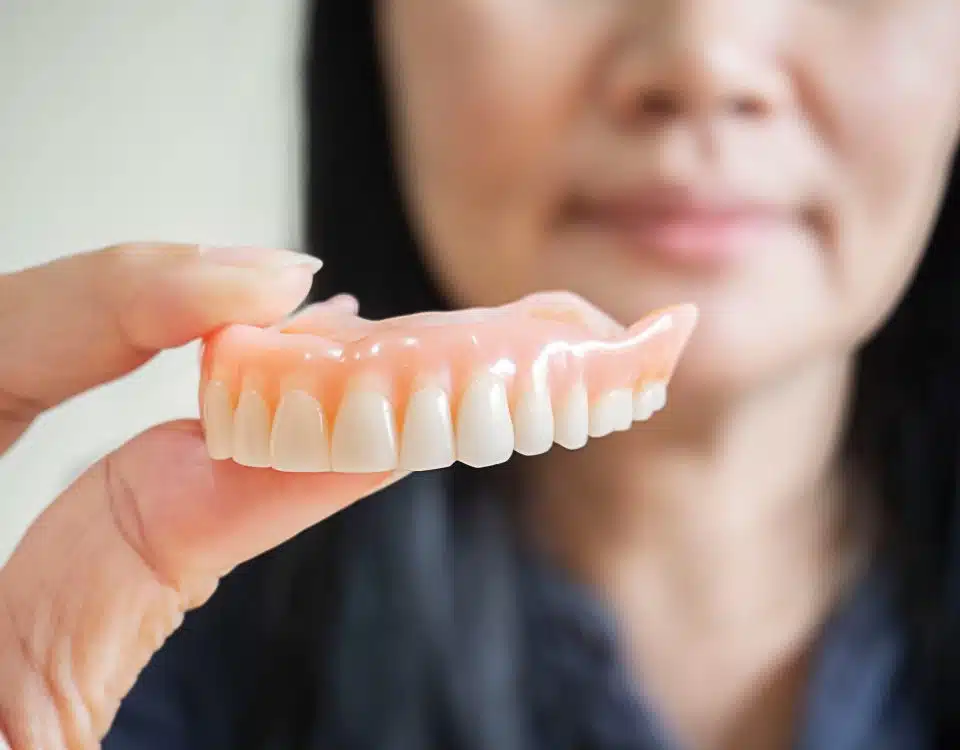
Each patient is unique, so your dental case will be different when it comes to dentures. There are several options you can choose from to build your new smile. Partial dentures are not a complete set of teeth for upper and lower. A partial denture is used when some of your teeth are missing, but some good ones remain. We would want to keep the good ones, especially when they are in sections of the mouth together.
Partial dentures are appliances that rest on a metal framework that attaches to your natural teeth through clasps. They prevent your remaining teeth from drifting over time. You wear these dentures for two to three months immediately after tooth removal, and they are helpful for patients with a history of sensitive teeth and gums. However, you can only replace one or two teeth here or there with partials, but not an entire arch in the mouth. We would recommend full dentures if you have too many missing teeth.
 Full (Complete) Dentures
 Full (Complete) Dentures
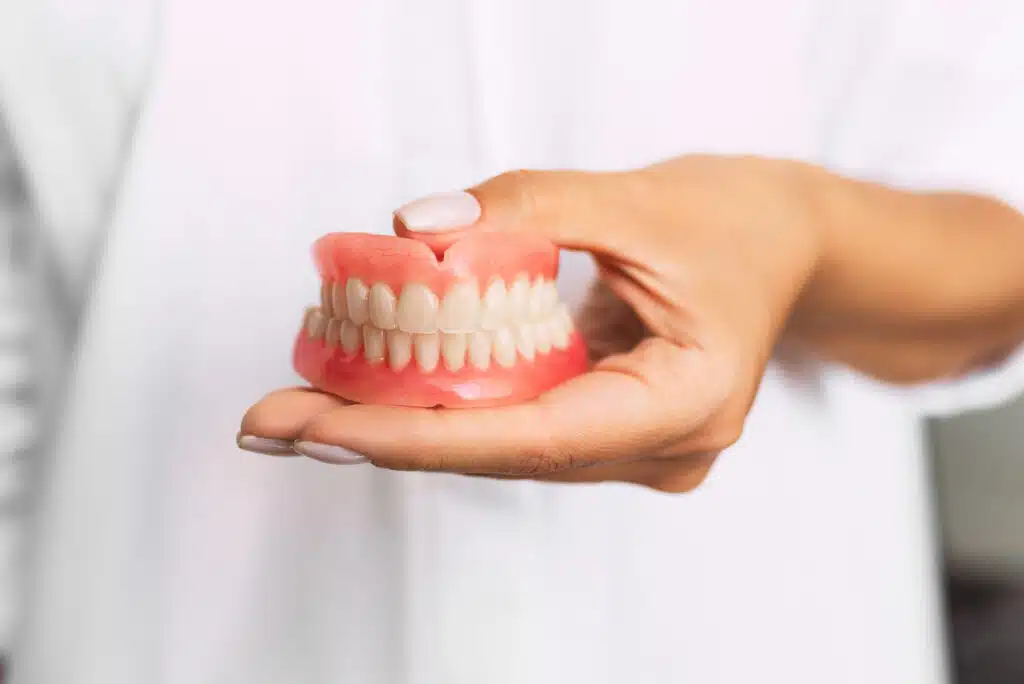
Full (complete) dentures replace an entire set of teeth on both the upper and lower jaw. They help correct your bite and restore facial appearance from missing teeth. Some patients can opt to get an entire arch installed into their jawbone, where the dentures will stay and be attached through implants. However, many patients opt for removable dentures. Upper full dentures are held in place in your mouth through the suction between the denture and the roof of the mouth. Lower dentures will rest on the gums and will be secured over the gums.
Because you can customize what type of dentures you want, you can choose from “immediate” and “conventional” dentures. If you opt for conventional dentures, you will be without teeth for several weeks to several months, as we allow the mouth to heal after tooth extraction. (Teeth here and there will be removed for a full set of new teeth to be made.) We allow the gum tissue to heal, where we then make molds for your dentures. Once proper healing has happened, you can use your conventional dentures with ease.
Immediate dentures are inserted immediately (hence the name) after tooth extraction. We insert your custom-made dentures right into the mouth in the same procedure. While they allow you to always have teeth at all times, you must have the dentures relined several months after they’re inserted. This is because dentures can become loose due to your jawbones reshaping with the healing process. Speak with your dentist to know what denture option is right for your situation.
 Your Dentures Consultation
 Your Dentures Consultation
Dentures are the perfect replacement for missing teeth. You can restore an entire smile, your oral health, and your ability to eat, talk, and function like normal. Although they do take some time getting used to and might not feel quite the same as natural teeth, modern technology has helped develop dentures into the most natural-looking and comfortable appliances than they ever have been before.
Depending on how many teeth will be replaced and the financial cost that is most reasonable for your situation, your dentist will help you choose which type of denture is best for your needs. Whether it be partials or full dentures, we can provide you with a dazzling smile to start 2020 off right. Call Stonebrook Family Dental today at (303) 872-7907 for your free consultation!