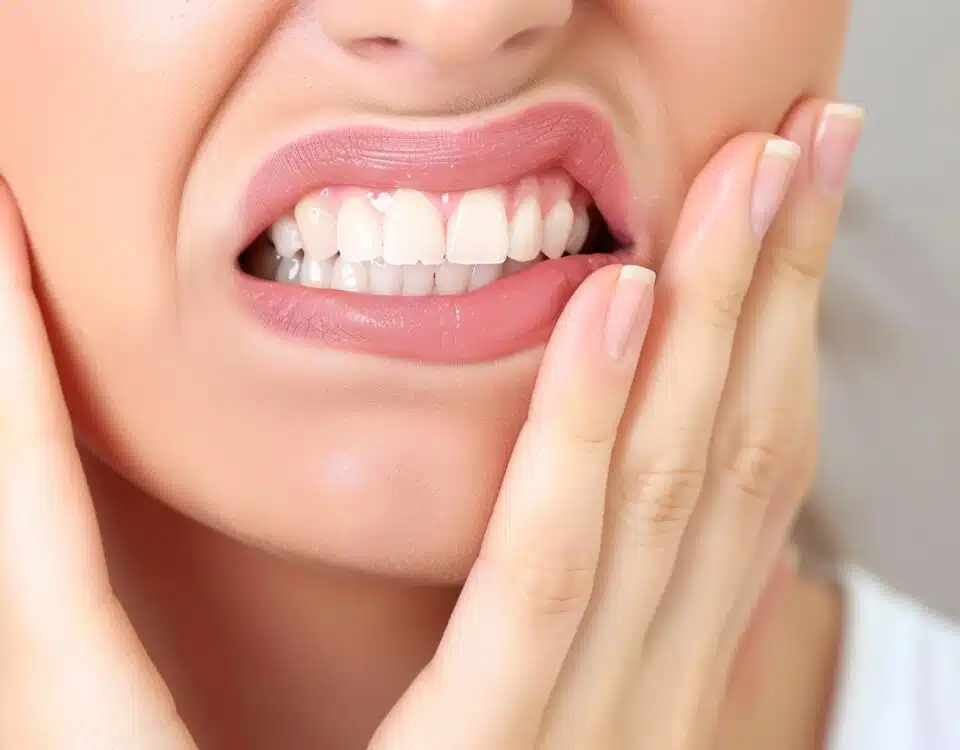
When to See the Dentist for a Toothache

Are You Able to Reverse Gum Disease?
August 31, 2021
The Facts About Fluoride
September 17, 2021
More than likely, you will experience a toothache at some point in your life. It could be due to eating something a little too crunchy, a cavity, or something more severe. Here are the most common causes of toothaches, plus when you should plan to see a dentist for the pain.
What is a Toothache?
A toothache is pain that can be sharp, sudden, dull, or constant, but no matter what it is it’s hard to ignore. WebMD explains that a toothache or pain occurs when the nerve in the root of a tooth or surrounding tooth becomes irritated. However, sometimes pain can originate from other areas of the body and radiate to the jaw, appearing to be tooth pain when it’s really an underlying issue.
Toothache Causes
If you begin feeling tooth pain, it’s because of inflammation occurring from the center of the tooth called the pulp. The pulp contains nerve endings that are very sensitive to pain, and inflammation can be triggered due to cavities, trauma, and infection. Further, referred pain from the jaw may result in symptoms of a toothache too, WebMD explains. To find the best relief option, you have to figure out the source of the pain. Common reasons could be:
- Gum disease
- Sensitive teeth
- Damaged teeth
- Bruxism (teeth grinding)
- Wisdom teeth erupting
- Cluster headaches
- Sinus issues
- Jaw joint issues
Symptoms
If you think you have a toothache, monitor yourself for these symptoms:
- Tooth pain that is sharp, throbbing, or constant
- Pain that only occurs in the tooth when you bite down
- Swelling around the tooth
- Fever or headache
- Foul taste in your mouth due to drainage from the infected tooth
- Bad breath
Can You Treat a Toothache at Home?
If you just began having tooth pain, and you don’t see any noticeable signs of damage or trauma, you can try to treat the tooth pain at home. If it’s the result of just being temporarily irritated, like from eating something hard or crunchy, it typically will go away on it’s own in just a few days. To better help yourself, avoid eating hard or crunchy foods during this time and try over-the-counter pain relievers like ibuprofen to help with inflammation and irritation. You can also gently rinse the mouth with warm salt water, which acts as a disinfectant and can also reduce inflammation. However, if it has been more than a couple of days and you’re still feeling pain, a toothache may warrant a trip to the dentist.
When to See the Dentist
If your tooth pain has lasted longer than a couple of days, consider making an appointment with your dentist. Further, if you begin to notice signs of infection, bleeding, excessive swelling, or other signs of trauma, call Stonebrook Family Dental to get in right away. It’s best to come in to check for the underlying issue, especially if you are experiencing:
- A toothache that lasts longer than two days
- Severe tooth pain
- A fever, earache, or pain when you try to open your mouth
Prevention
One of the best ways to treat a toothache is by preventing it before it even begins. Oftentimes, tooth pain is brought on by a result of poor oral hygiene. It’s important that you do what you can at home to prevent a toothache. The goal is to prevent tooth decay and gum disease. To do this, you should:
- Brush your teeth twice a day, two minutes at a time. Use small, circular motions to thoroughly clean the entire surface area of each tooth. For best results, use a fluoride toothpaste to help fight cavities and tooth sensitivity.
- Floss once each day to remove plaque and any leftover crumbs from between the teeth. Brushing alone can’t reach these tight spaces, so flossing is non-negotiable for a healthy smile.
- Use a fluoride-based mouthwash to coat the teeth and strengthen the tooth’s enamel.
- Drink more water. Especially right after eating sweets or something acidic, drink a glass of water to help clean the teeth. This will help wash away any leftover acidity and protect them from risk of weakening enamel.
- Eat a healthy diet. What you eat matters when it comes to your smile. Opt for a whole foods diet and try to stay away from processed foods, which are often loaded with sugar and other ingredients that can do great harm to our teeth and gums.
Fight Toothaches with Stonebrook Family Dental
If you are experiencing a toothache, make an appointment with Stonebrook Family Dental and let us get to the bottom of what’s causing it. Whether it’s a hidden cavity or beginning signs of an infection, we will get to the source of your pain and treat the cause so you can get back on your way with a pain-free smile. Call us today for your appointment: (303)-872-7907.