Dental Hygiene Month: Protect Yourself Against Plaque and Gingivitis

Do You Have to Use Toothpaste? The Surprising Benefits of Toothpaste
October 6, 2022
3 Reasons Contact Sport Athletes Should be Wearing a Mouthguard
October 20, 2022
October is Dental Hygiene Month, and that means it’s time to focus on protecting yourself against plaque and gingivitis. Dental Hygiene Month is an annual event that focuses on educating the public about the importance of oral health. Plaque is a biofilm that forms on teeth, and if it is not removed regularly, can lead to gingivitis – an inflammation of the gums. Gingivitis can lead to tooth decay and even loss of teeth if left untreated. In this blog post, we will discuss how you can protect yourself from plaque and gingivitis using simple dental hygiene techniques!
Understanding Plaque
Plaque is a biofilm that contains bacteria. When plaque is not removed, it can harden and become tartar. Tartar is difficult to remove and can lead to gingivitis and tooth decay. Both of these things are preventable with good dental hygiene habits.
Causes
When saliva, food, and fluids combine in your mouth they produce an environment that allows the bacteria to grow and deposit which collect on teeth and gums and especially where the teeth and gums meet. Crest explains that common foods that contribute to plaque formation and growth include those containing carbohydrates, or simple sugars, such as sucrose and starches, found in soft drinks and candy.
Eating foods high in sugar like cakes, sweets, and fruit can cause an increase in plaque bacteria. Plaque bacteria can lead to gingivitis, caries and advanced gum disease, so it is important to take steps for treatment and prevention. Plaque hides between teeth and under the gum line. There’s no way to avoid it entirely so it’s important to maintain a good oral routine to keep it from accumulating. Certain foods, especially carbohydrates (foods containing sugars or starches), are big contributors to plaque growth such as milk, soft drinks, cake, and candy.
Gingivitis
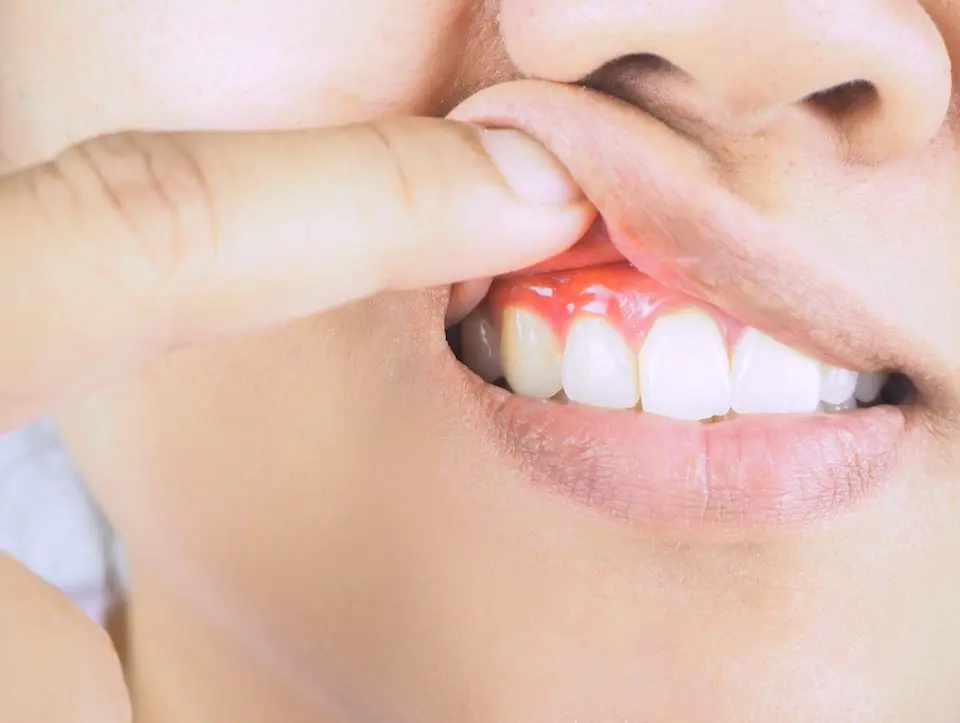
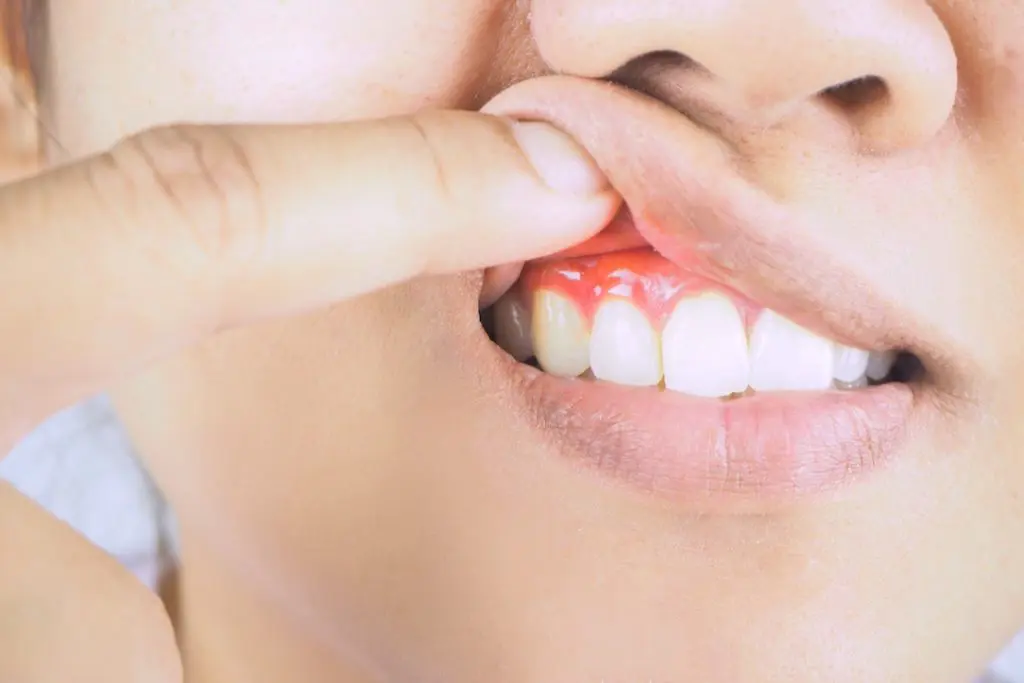
Gingivitis is a non-destructive type of periodontal disease. People may generally refer to this as gum disease. Gingivitis is an early form of gum disease and typically produces mild symptoms.
There are two main types of gingivitis: dental plaque-induced gingivitis and non-plaque-induced.
Dental plaque-induced gingivitis occurs when plaque buildup irritates a person’s gums, resulting in inflammation, discoloration, and pain. In contrast, non-plaque-induced gingival lesions can result from a bacterial, viral, or fungal infection. Allergic reactions, illnesses, and reactions to foreign bodies, such as dentures, may also cause this type of gingivitis.
Both types of gingivitis can progress to periodontitis if a person does not treat it adequately. Periodontitis is a more severe condition and can lead to further complications, such as loss of teeth.
Symptoms
If you experience any of the following, it could be an indicator that you have gingivitis:
- Swollen, red, or tender gums
- Gums that bleed easily when brushing or flossing
- Persistent bad breath
- Receding gums
- A change in the fit of partial dentures
Signs of Advanced Gum Disease
As gingivitis progresses, it can turn into periodontitis. Periodontitis is a serious form of gum disease that damages the soft tissue and bone that support your teeth. If you have periodontitis, you may experience:
- Swollen, red, or tender gums
- Gums that bleed easily when brushing or flossing
- Persistent bad breath
- Receding gums
- Loose teeth
- Changes in the fit of partial dentures
- Sensitive teeth
- Painful chewing
Dental Hygiene Month: Preventing Gingivitis
Good oral hygiene habits are essential for preventing gingivitis and plaque. You can help prevent plaque by:
- Brushing your teeth twice a day with a toothpaste that contains fluoride
- Flossing daily
- Eating a healthy diet
- Quitting smoking
- Visiting your dentist regularly for professional cleanings and checkups
Dental Hygiene Month: Treatment
Fortunately, gingivitis is reversible with early diagnosis and treatment. The first line of defense is always good oral hygiene practices, such as brushing twice a day, flossing daily, and using an antiseptic mouthwash.
A professional cleaning by a dentist or dental hygienist can also remove plaque and tartar buildup that has accumulated over time. In some cases, your dentist may prescribe antibiotics to help clear the infection.
In severe cases of gingivitis, a procedure called scaling and root planing may be necessary. This is a deep cleaning that removes tartar and bacteria below the gum line.
Make an Appointment with Stonebrook Family Dental During Dental Hygiene Month
Don’t let gingivitis ruin your smile. Stonebrook Family Dental is here to help you achieve and maintain optimum oral health. We offer a wide range of dental services, including teeth cleanings, exams, fillings, crowns, bridges, and more. Contact us today to schedule an appointment!